

What Is Custom Home Construction in Ontario?
Over 60 percent of Canadian homeowners say that a custom-built house is their dream investment, yet the process can still feel overwhelming for those in Durham Region. Choosing the right approach and contractor shapes every detail, from design to everyday comfort. Understanding how Canadian custom home construction works, and what makes it unique, lets you turn your vision into a reality with confidence and peace of mind.
Key Takeaways
| Point | Details |
|---|---|
| Custom Home Construction | Custom home construction in Canada allows homeowners to create tailored living spaces that reflect their individual needs and design preferences. |
| Types of Custom Builds | Architectural, modular, and renovation-based custom builds each offer distinct advantages and methods tailored to specific homeowner desires. |
| Construction Process | A structured progression involving planning, site preparation, and phases of construction ensures quality and regulatory compliance. |
| Risks and Mitigation | Budget overruns and unexpected site challenges are common risks; implementing contingency planning and thorough assessments can help navigate these issues. |
Custom Home Construction Defined In Canada
Custom home construction in Canada represents a sophisticated approach to residential building that goes far beyond standard housing developments. At its core, custom home construction allows homeowners to design and create living spaces uniquely tailored to their specific needs, preferences, and site conditions. Unlike traditional tract housing, these projects offer unparalleled personalization, enabling Canadians to craft homes that reflect their individual lifestyle, architectural vision, and environmental context.
The Canadian custom home construction landscape is particularly dynamic, driven by regional diversity and innovative building techniques. Regional homebuilding innovation initiatives have highlighted emerging approaches like prefabrication, modular construction, and climate-resilient design methodologies. These strategies respond directly to Canada’s varied geographical challenges – from coastal environments in British Columbia to prairie landscapes in Alberta, and harsh winter conditions across Northern regions. Builders now integrate advanced technologies and materials that enhance energy efficiency, structural integrity, and sustainability.
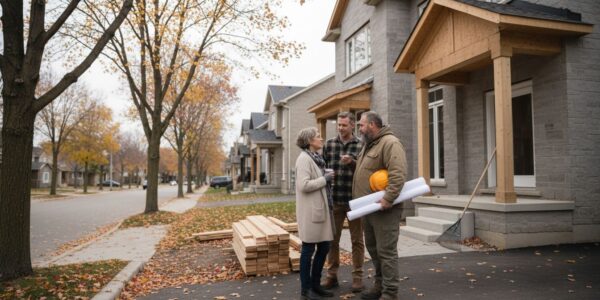
Unique characteristics of custom home construction in Ontario and across Canada include deep collaboration between architects, designers, and clients. This process typically involves comprehensive consultations to understand the homeowner’s vision, site-specific requirements, and budgetary constraints. Professionals conduct thorough site assessments, considering factors like topography, soil conditions, local building codes, and environmental considerations. The result is a meticulously planned residence that balances aesthetic preferences with practical functionality, ensuring each custom home is a true reflection of its owners and environment.
Pro tip: Before beginning a custom home construction project, invest time in detailed planning and engage multiple professional consultations to ensure your vision aligns with practical building requirements and local regulations.
Types Of Custom Builds And Key Differences
Custom home construction in Ontario encompasses several distinctive build types, each offering unique approaches to residential design and construction. Architectural custom builds represent the most comprehensive form, where homeowners collaborate extensively with architects to create entirely bespoke residences that perfectly match their vision. These projects often involve completely original design concepts, innovative spatial layouts, and highly personalized architectural elements that reflect the homeowner’s lifestyle and aesthetic preferences.
Another prominent category is modular custom homes, which combine precision engineering with personalization. Design-build processes in Ontario have increasingly embraced these construction methods, allowing for greater efficiency and predictability. Modular builds involve prefabricated components manufactured in controlled environments and then assembled on-site, offering advantages like reduced construction time, enhanced quality control, and potential cost savings while still maintaining significant customization options.
The third major custom build type is renovation-based custom construction, which transforms existing structures into personalized living spaces. This approach is particularly popular in established Ontario neighbourhoods where homeowners wish to adapt historic or older homes to modern living standards. Renovation custom builds require intricate planning, structural assessments, and creative design strategies to balance preservation with contemporary functionality. These projects often involve complex engineering challenges, such as maintaining historical architectural integrity while incorporating modern amenities and energy-efficient technologies.
Here is a comparison of custom home build types in Ontario, highlighting their focus, process, and unique advantages:
| Build Type | Design Focus | Construction Process | Key Advantage |
|---|---|---|---|
| Architectural Custom Build | Fully bespoke, original design | On-site, from-scratch | Maximum personalisation |
| Modular Custom Home | Customizable factory modules | Prefabricated, on-site assembly | Reduced build time, quality control |
| Renovation-Based Custom | Upgrading existing structure | Extensive remodelling | Preserves character, modernizes |
Pro tip: Before committing to a custom build, carefully assess your long-term lifestyle needs and consult multiple professionals to understand the nuanced differences between architectural, modular, and renovation-based construction approaches.
The Construction Process Step By Step
Custom home construction follows a meticulously structured progression, with each phase requiring precise planning and expert execution. The typical construction process in Canada begins with comprehensive pre-construction planning, where homeowners collaborate closely with architects and contractors to transform conceptual designs into actionable blueprints. This initial stage involves critical activities such as site evaluation, architectural drafting, permit acquisition, and establishing precise budget parameters.
The physical construction process unfolds through several interconnected stages. Foundation work represents the first critical phase, involving site preparation, excavation, and pouring concrete footings that will support the entire structure. Framing follows, where the home’s skeletal framework is erected, defining interior and exterior walls, roof trusses, and overall structural integrity. During this stage, builders install critical mechanical systems including electrical wiring, plumbing infrastructure, and heating ventilation systems. The enclosed shell phase then commences, where roofing, windows, and exterior cladding are installed to protect the developing structure from environmental elements.
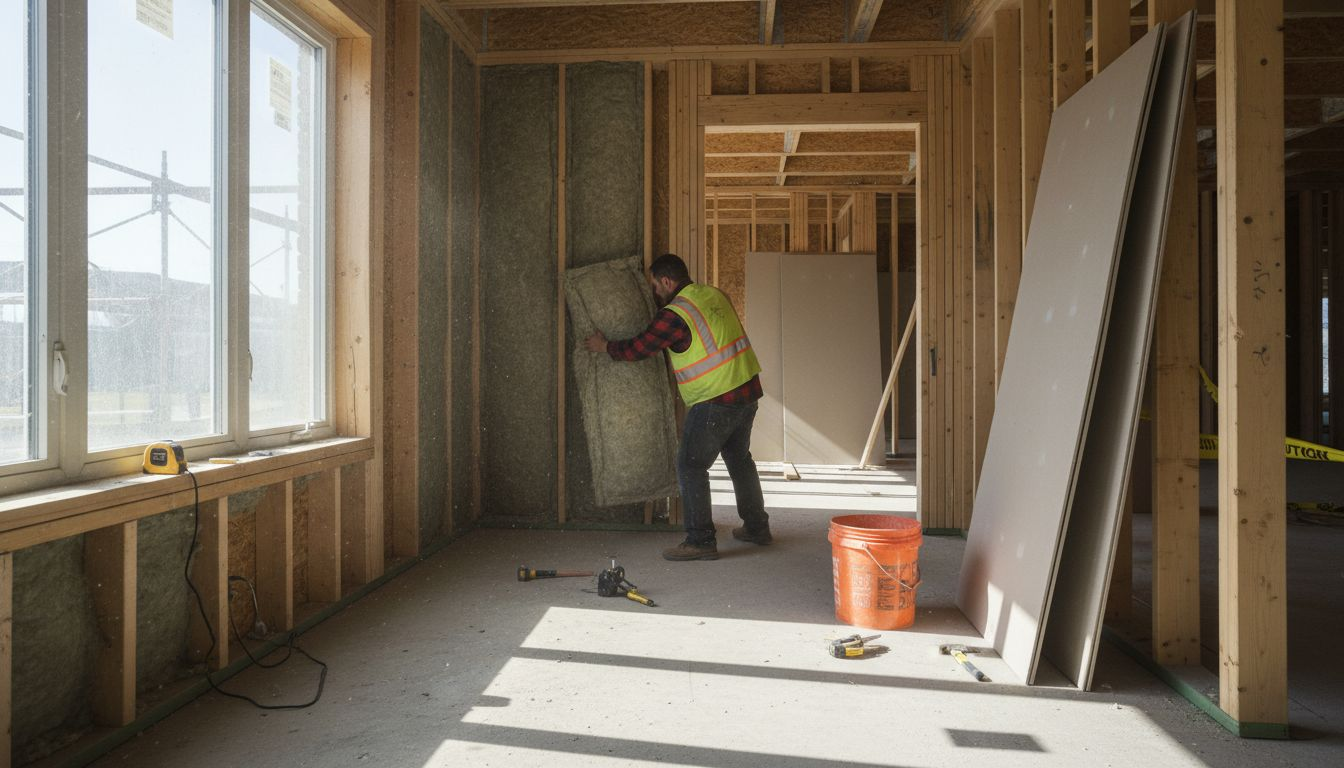
Subsequent stages focus on interior refinement and finishing details. Insulation and drywall installation create the home’s interior surfaces, followed by intricate finishing work like flooring, cabinetry, painting, and fixture installation. Each construction phase involves mandatory municipal inspections to ensure compliance with building codes, safety standards, and quality benchmarks. This rigorous oversight guarantees that every custom home meets professional construction standards and provides homeowners with a safe, durable living environment.
Pro tip: Maintain open communication with your construction team and request regular progress updates to stay informed about each stage of your custom home build.
Essential Roles And Legal Requirements
Custom home construction in Ontario involves a complex web of legal requirements and professional roles designed to protect homeowners and ensure construction quality. The provincial regulatory framework establishes stringent guidelines governing every aspect of residential building projects. The Building Code Act serves as the primary legislative mechanism, outlining comprehensive standards for design, safety, accessibility, and structural integrity that all construction professionals must meticulously follow.
Key professional roles in custom home construction include licensed builders, architects, engineers, and municipal building inspectors. Each professional plays a critical part in ensuring project compliance and quality. The Home Construction Regulatory Authority mandates specific licensing requirements, ensuring that builders demonstrate technical competence, ethical business practices, and comprehensive understanding of Ontario’s intricate construction regulations. Builders must maintain active licenses that validate their expertise in project management, technical skills, and legal compliance.
Municipal governments play a crucial enforcement role in the construction process. Building permit applications undergo rigorous review, with municipal officials conducting multiple site inspections to verify adherence to provincial building codes. These inspections occur at critical construction stages, including foundation work, framing, mechanical systems installation, and final completion. Homeowners must understand that these regulatory checkpoints are designed to protect their investment, ensuring that every aspect of their custom home meets established safety and quality standards.
Pro tip: Always request and verify your builder’s current licensing credentials and ask to review their recent inspection records before signing any construction contracts.
Costs, Risks, And Common Pitfalls
Custom home construction in Ontario represents a significant financial investment with numerous potential challenges that can impact both budget and timeline. Budget overruns consistently rank as the most prevalent risk, with homeowners frequently underestimating the complexity and unexpected expenses associated with bespoke residential projects. Typical cost variations can range from 10% to 25% above initial estimates, driven by factors such as site complexity, material selections, design modifications, and unforeseen structural requirements.
Several critical risks demand careful navigation during the custom home construction process. Site-specific challenges like soil conditions, drainage issues, and local topographical constraints can trigger substantial unexpected expenses. Underground rock formations, high water tables, or unstable ground may necessitate extensive foundation work or specialized engineering solutions. Additionally, material price fluctuations, labour shortages, and supply chain disruptions can dramatically impact project costs and scheduling, making flexibility and comprehensive contingency planning essential.
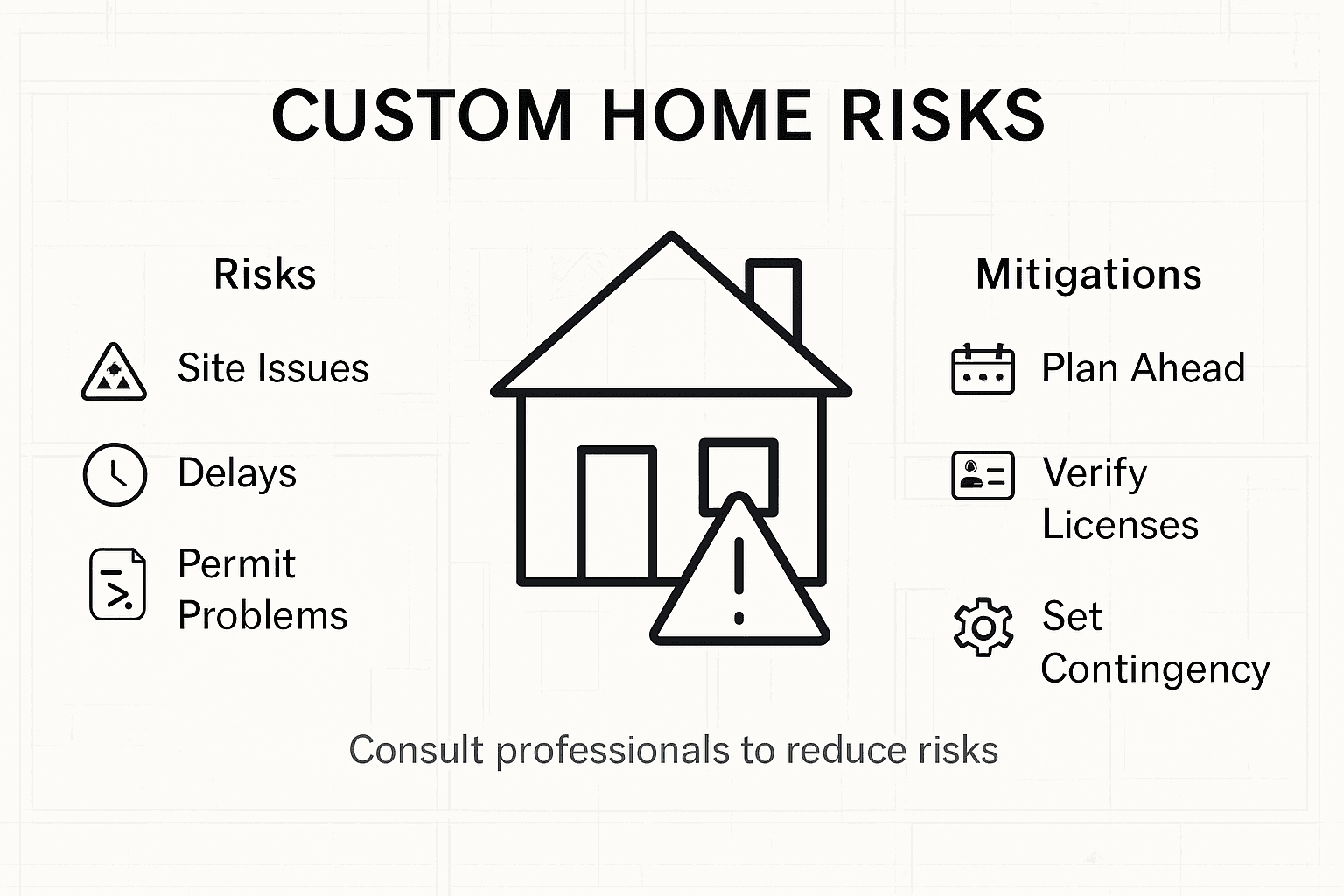
Common pitfalls in custom home construction often stem from inadequate initial planning and communication. Homeowners frequently encounter challenges related to unrealistic expectations, incomplete design specifications, and misaligned contractor communication. Critical mistakes include failing to conduct thorough site assessments, overlooking potential zoning restrictions, neglecting comprehensive contracts with clear scope definitions, and insufficient budget allocation for potential contingencies. Successful custom home projects require meticulous attention to detail, transparent communication, and a comprehensive understanding of the complex interdependencies between design, construction, and financial management.
Below is a summary of major risks and recommended mitigation strategies in Ontario custom home construction:
| Risk Area | Typical Issue | Recommended Mitigation |
|---|---|---|
| Budget Control | Unexpected extra costs | Add 15-20% contingency, detailed planning |
| Site Conditions | Poor soil, difficult topography | Conduct thorough site assessments |
| Schedule Delays | Material shortages, weather, permits | Communicate regularly, flexible timeline |
| Legal Compliance | Permit or inspection problems | Work with licensed, reputable professionals |
Pro tip: Establish a minimum 15-20% contingency budget and maintain detailed documentation of all project discussions, decisions, and potential variations to mitigate financial and contractual risks.
Bring Your Custom Home Vision to Life with Trusted Ontario Experts
Navigating the complexities of custom home construction in Ontario can feel overwhelming when facing detailed planning, legal requirements, and budget risks. If you are seeking full personalisation, modular efficiency, or thoughtful renovation-based solutions, partnering with an experienced team can make all the difference. Henley Contracting understands the challenges discussed in this article, from site assessments to design collaboration, and offers dedicated support to bring your unique home build to reality.
Explore our Custom Build services and discover how over three decades of craftsmanship in Durham, Kawartha Lakes, and Northumberland County make us your ideal partner. Whether you are starting fresh or adapting an existing structure, visit Henley Contracting today to connect with experts who prioritize quality and clear communication every step of the way. Take the first step toward a custom home that truly reflects your lifestyle and stands the test of time.
Frequently Asked Questions
What is custom home construction?
Custom home construction is a personalized approach to building unique residential spaces tailored to the homeowner’s specific needs, preferences, and site conditions, unlike standard housing developments.
What are the different types of custom home builds?
The main types of custom home builds include architectural custom builds, modular custom homes, and renovation-based custom constructions, each offering unique design and construction processes.
What is the typical process for custom home construction?
The custom home construction process typically includes comprehensive pre-construction planning, foundation work, framing, installation of mechanical systems, and interior finishing, with multiple inspections to ensure compliance with building codes.
What are some common risks and pitfalls in custom home construction?
Common risks in custom home construction include budget overruns, site-specific challenges, and schedule delays. Pitfalls often arise from inadequate planning and communication, unrealistic expectations, and insufficient contingency budgets.


