

Design-Build Process: Streamlining Home Renovations in Ontario
Over forty percent of Canadian construction projects now use the design-build approach instead of traditional methods. This shift matters because a unified team can cut costs, reduce delays, and prevent miscommunication that frustrates homeowners. By understanding how the design-build process works, Canadians can make better choices about who manages their renovation or new build so their project moves from concept to completion with fewer surprises and greater confidence.
Key Takeaways
| Point | Details |
|---|---|
| Integrated Approach | The design-build process unifies design and construction under a single contract for streamlined management and enhanced coordination. |
| Efficiency and Cost-effectiveness | This methodology often leads to faster project timelines and more accurate cost estimations, benefiting homeowners through reduced overall project costs. |
| Defined Roles | Homeowners, designers, and contractors each have vital roles, with clear communication being crucial for the project’s success. |
| Proactive Risk Management | Establishing detailed contracts and realistic timelines helps mitigate common pitfalls and ensures accountability throughout the project. |
Defining the Design-Build Process in Construction
The design-build process represents a comprehensive and integrated approach to construction that fundamentally transforms traditional project delivery methods. Unlike conventional construction strategies where design and building occur as separate, sequential phases, design-build unifies these critical components under a single contractual umbrella. This collaborative methodology streamlines project management, reduces potential communication gaps, and creates a more cohesive workflow from initial concept to final completion.
At its core, design-build transfers significant project responsibility to a unified team that manages both architectural design and physical construction simultaneously. This integrated method consolidates project risks and enhances overall coordination, allowing for more efficient decision-making and reduced potential for miscommunication. By having architects, engineers, and contractors working collaboratively from the project’s inception, clients benefit from a more transparent and predictable construction experience.
The key advantages of the design-build approach include:
- Simplified project management through a single point of accountability
- Faster project completion timelines
- Reduced potential for design and construction conflicts
- More precise cost estimations
- Enhanced communication between design and construction teams
The design-build method offers significant advantages in risk management and project delivery, particularly for complex residential and commercial construction projects. By integrating design and construction expertise under one contractual framework, property owners can expect more streamlined processes, potentially lower overall project costs, and greater project alignment with their original vision.
Pro Tip for Homeowners: Always request detailed portfolio examples and references from potential design-build firms to ensure they have proven experience in projects similar to your specific renovation or construction goals.
Key Phases in Residential Design-Build Projects
Residential design-build projects follow a structured yet flexible approach that differentiates them from traditional construction methods. Understanding the essential performance objectives is crucial for successful project execution, with each phase carefully designed to streamline communication and enhance project outcomes. The process typically involves a strategic progression through interconnected stages that allow for greater collaboration and efficiency.
The key phases of a residential design-build project generally include:
- Initial Consultation and Requirement Definition
- Conceptual Design Development
- Detailed Design and Engineering
- Construction Planning
- Actual Construction
- Final Review and Project Completion
Careful management of contractual conditions plays a critical role in design-build project success, with each phase requiring meticulous attention to detail. The initial consultation serves as a foundational stage where homeowners articulate their vision, functional requirements, and budget constraints. During this phase, design-build professionals work closely with clients to develop a comprehensive understanding of project goals, potential challenges, and specific design preferences.
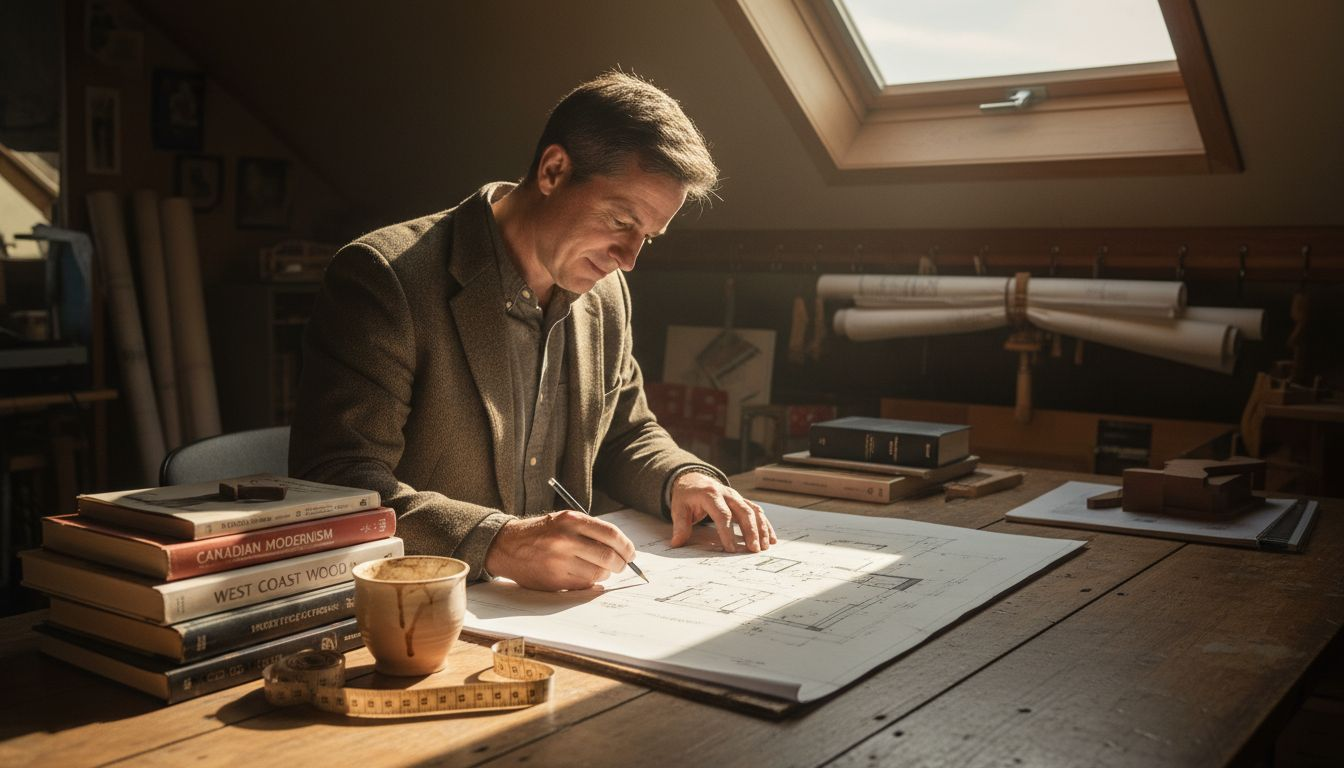
The subsequent design development stages involve creating preliminary sketches, refining architectural concepts, and developing detailed technical drawings. This collaborative process allows for real-time adjustments, cost analysis, and potential value engineering. Contractors and designers work in tandem to ensure that the proposed design meets both aesthetic and practical requirements, while maintaining budgetary constraints and regulatory compliance.
Pro Tip for Homeowners: Always request a detailed, phased project timeline during initial consultations to establish clear expectations and maintain transparency throughout the design-build process.
Roles of Homeowners, Designers, and Contractors
In the design-build project framework, each participant plays a unique and interdependent role that contributes to overall project success. Contract administration establishes a clear structure where a single firm assumes responsibility for both design and construction, fundamentally transforming traditional project dynamics. This integrated approach requires clear communication, defined expectations, and collaborative problem-solving from all involved parties.
The homeowner’s role encompasses several critical responsibilities:
- Clearly articulating project vision and functional requirements
- Establishing realistic budget parameters
- Providing timely feedback during design and construction phases
- Making decisive choices about design elements and material selections
- Maintaining open communication with the design-build team
Designers and architects serve as the creative and technical backbone of the project, translating homeowner aspirations into actionable design concepts. They develop comprehensive architectural plans, ensure regulatory compliance, and create detailed technical drawings that guide the construction process. Their expertise involves balancing aesthetic preferences with structural feasibility, energy efficiency considerations, and budgetary constraints.
Contractors bring the design to life, managing the intricate technical execution of the project. Their responsibilities include project scheduling, coordinating subcontractors, managing on-site construction, ensuring quality control, and maintaining safety standards. They must interpret design specifications with precision, problem-solve unexpected challenges, and deliver the final product that matches the agreed-upon design and performance objectives.
The following table summarizes the key responsibilities of each design-build participant:
| Role | Primary Focus | Typical Responsibilities |
|---|---|---|
| Homeowner | Vision and approval | Set goals, approve design, review costs |
| Designer | Creative and technical | Develop concepts, ensure compliance |
| Contractor | Physical execution | Manage build, supervise quality |
Pro Tip for Project Success: Establish a clear communication protocol and regular check-in schedule with your design-build team to ensure alignment, transparency, and proactive issue resolution throughout the project lifecycle.
Benefits Versus Traditional Construction Methods
Design-build methods offer significant advantages over traditional construction approaches, fundamentally transforming how residential projects are conceptualized and executed. Unlike conventional methods where architects, contractors, and clients operate in separate silos, the design-build approach creates an integrated ecosystem of collaboration that streamlines project delivery and reduces potential communication breakdowns.
Key differences between design-build and traditional construction methods include:
- Single point of responsibility
- Overlapping design and construction phases
- Reduced project complexity
- Faster overall project completion
- More accurate initial cost estimations
- Enhanced communication and problem-solving
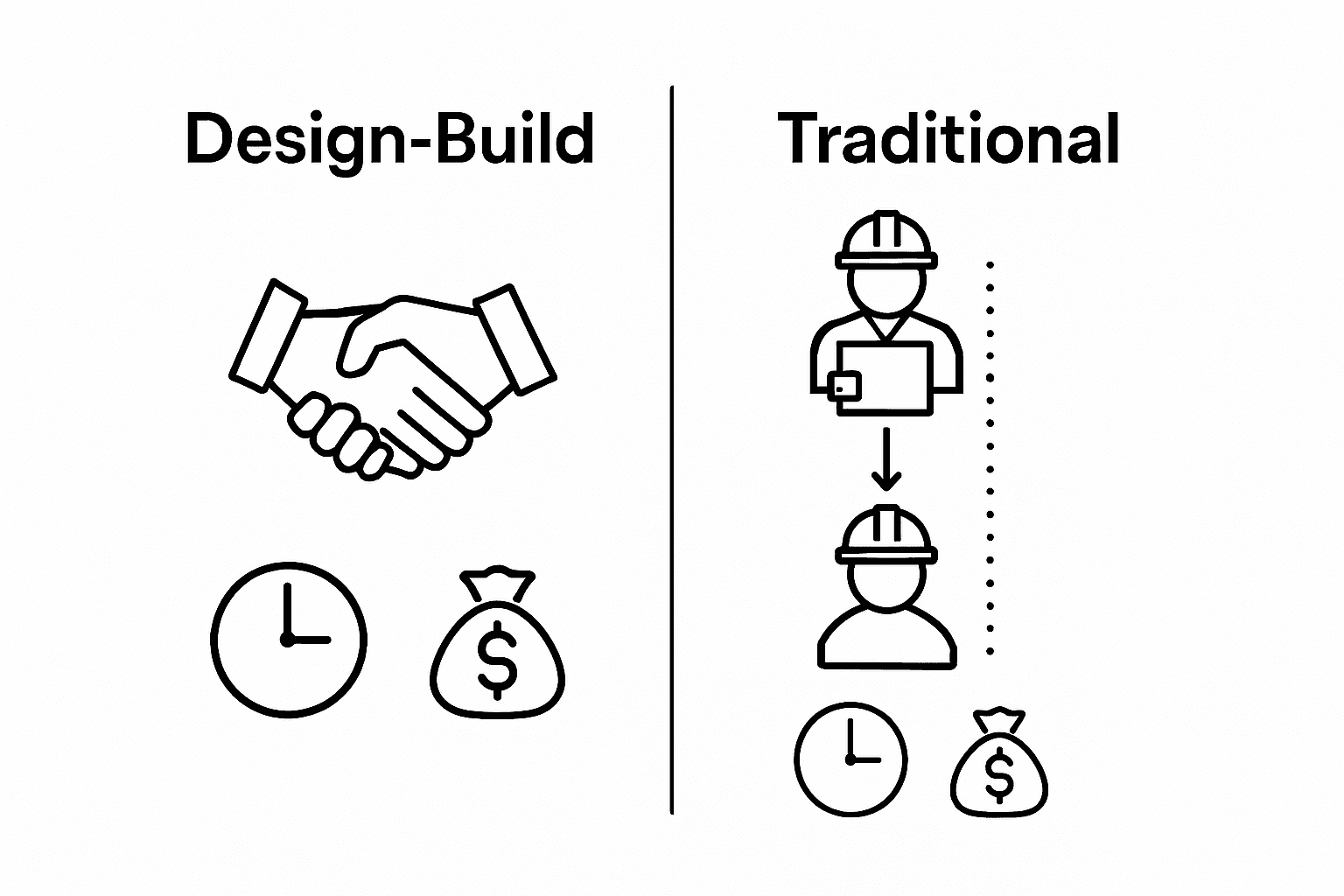
Combining design and construction services under one contract can potentially reduce project costs and timelines, while maintaining high-quality outcomes. Traditional construction methods typically involve a sequential process where architects develop complete designs before contractors begin bidding, creating potential gaps in communication and increasing the likelihood of unexpected challenges during construction. In contrast, design-build methodology allows for real-time adjustments, collaborative problem-solving, and more fluid interactions between design and implementation teams.
The financial implications of design-build are particularly compelling for homeowners. By eliminating multiple bidding processes, reducing administrative overhead, and minimizing potential redesign costs, this approach can offer more predictable budgeting and potentially lower overall project expenses. The integrated nature of design-build means that potential issues are identified and resolved earlier in the process, reducing the risk of costly mid-project corrections and ensuring a more streamlined path from initial concept to final completion.
Here is a comparison of design-build and traditional construction project delivery methods:
| Aspect | Design-Build Approach | Traditional Construction |
|---|---|---|
| Contractual Structure | Single entity for all services | Separate design and build teams |
| Project Timeline | Overlapping phases, faster | Sequential, potentially slower |
| Communication Channel | Unified team | Multiple, siloed participants |
| Cost Certainty | Early, more reliable budgeting | Prone to late-stage changes |
| Risk Assignment | Mostly to design-build firm | Split between parties |
Pro Tip for Cost Management: Request a comprehensive, transparent breakdown of projected costs and potential value engineering opportunities during your initial design-build consultations to maximize project efficiency and budget control.
Navigating Costs, Risks, and Common Pitfalls
Design-build projects offer significant risk mitigation for homeowners through consolidated project responsibility, fundamentally shifting traditional project risk dynamics. By transferring design and construction liability to a single entity, homeowners can minimize unexpected financial and structural complications that often plague traditional construction approaches.
Common potential pitfalls in design-build projects include:
- Inadequate initial project scoping
- Miscommunication about design expectations
- Insufficient budget contingency planning
- Unclear contractual specifications
- Lack of comprehensive documentation
- Unrealistic timeline expectations
Establishing fair and equitable processes becomes crucial for mitigating project risks, ensuring transparency and accountability throughout the construction journey. Financial risks can be substantially reduced through meticulous contract negotiation, detailed scope definition, and comprehensive performance guarantees. Homeowners should prioritize clear, written agreements that explicitly outline project parameters, potential additional costs, and specific performance expectations.
Cost management requires a strategic approach that goes beyond initial estimates. Successful design-build projects demand proactive financial planning, including establishing realistic contingency budgets, understanding potential change order implications, and maintaining open communication about budget constraints. Experienced design-build firms typically offer more accurate initial cost projections by integrating design and construction expertise, potentially reducing overall project expenses through efficient planning and execution.
Pro Tip for Risk Management: Develop a comprehensive written contract that includes detailed scope of work, explicit performance standards, clear payment schedules, and specific provisions for handling unexpected complications or design modifications.
Simplify Your Ontario Home Renovation with Expert Design-Build Services
Renovating your home can feel overwhelming when juggling separate designers and contractors without clear coordination. This article highlights how the design-build process eliminates costly miscommunications and streamlines the entire project by combining design and construction under one roof. If you are a homeowner in Durham, Kawartha Lakes, or Northumberland County seeking a smooth renovation experience that honours your budget, timeline, and vision, it is essential to partner with a team that truly understands this integrated approach.
At Henley Contracting, with over 30 years serving communities like Oshawa, Pickering, and Whitby, we specialize in residential Renovations using the design-build method. Our experienced professionals handle every phase from initial consultation to final construction, ensuring transparent communication, precise cost management, and a single point of accountability that protects your interests.
Take control of your renovation journey today. Discover how our custom solutions in Custom Build and Engineering complement the design-build process to deliver quality craftsmanship tailored to your unique home. Visit Henley Contracting Ltd. to request your consultation now and move confidently towards your dream home transformation.
Frequently Asked Questions
What is the design-build process in construction?
The design-build process is an integrated approach where both design and construction responsibilities are consolidated under a single contract, streamlining project management and enhancing communication between teams.
What are the benefits of using the design-build method for home renovations?
The design-build method offers advantages such as faster project completion, reduced potential for conflicts between design and construction, and simplified project management through a single point of accountability.
How does the design-build process differ from traditional construction methods?
Unlike traditional methods that separate design and construction into distinct phases, design-build integrates these phases, allowing for overlapping timelines, better communication, and potentially lower project costs.
What roles do homeowners play in a design-build project?
Homeowners are responsible for articulating their vision, establishing budgets, providing feedback, and making critical decisions about design and material choices throughout the project’s lifecycle.


