
How to Manage Home Construction for Best Results
More than half of Canadian homeowners report facing surprise costs during new home construction. Planning a project of this scale can feel daunting, especially when expenses and regulations seem overwhelming. Understanding how to assess your needs, choose the best professionals, and build a realistic budget helps Canadian families avoid stressful mistakes. This guide breaks down the essentials so you can confidently move forward, minimize hiccups, and stay in control from the start.
Quick Summary
| Key Point | Explanation |
|---|---|
| 1. Thoroughly Assess Construction Needs | Document all desired features and requirements before budgeting to ensure a clear project scope. |
| 2. Select Reliable Contractors Carefully | Vet potential contractors through research, ensuring they align with your project vision and expertise. |
| 3. Obtain Necessary Permits Early | Research local requirements and secure permits to avoid delays during the construction process. |
| 4. Maintain Clear Communication | Schedule regular updates with contractors to track progress and address any issues promptly. |
| 5. Conduct a Detailed Inspection | Create an inspection checklist and document any deficiencies to ensure high-quality completion of the project. |
Stage 1: Assess Your Construction Needs and Set a Budget
Starting a home construction project requires careful planning and strategic financial preparation. Before breaking ground, you need a comprehensive understanding of your project scope and precise budget allocation that accounts for both expected and unexpected expenses.
Begin by thoroughly documenting your construction objectives. List every desired feature and renovation requirement in meticulous detail. This includes square footage changes, specific room configurations, material preferences, and any unique architectural elements you want incorporated. Research local building codes and zoning regulations to ensure your plans comply with municipal requirements. Budget development is critical here 一 incorporating a contingency fund can help manage potential financial surprises during construction. Most professionals recommend reserving 10 to 20 percent of your total budget for unexpected costs.
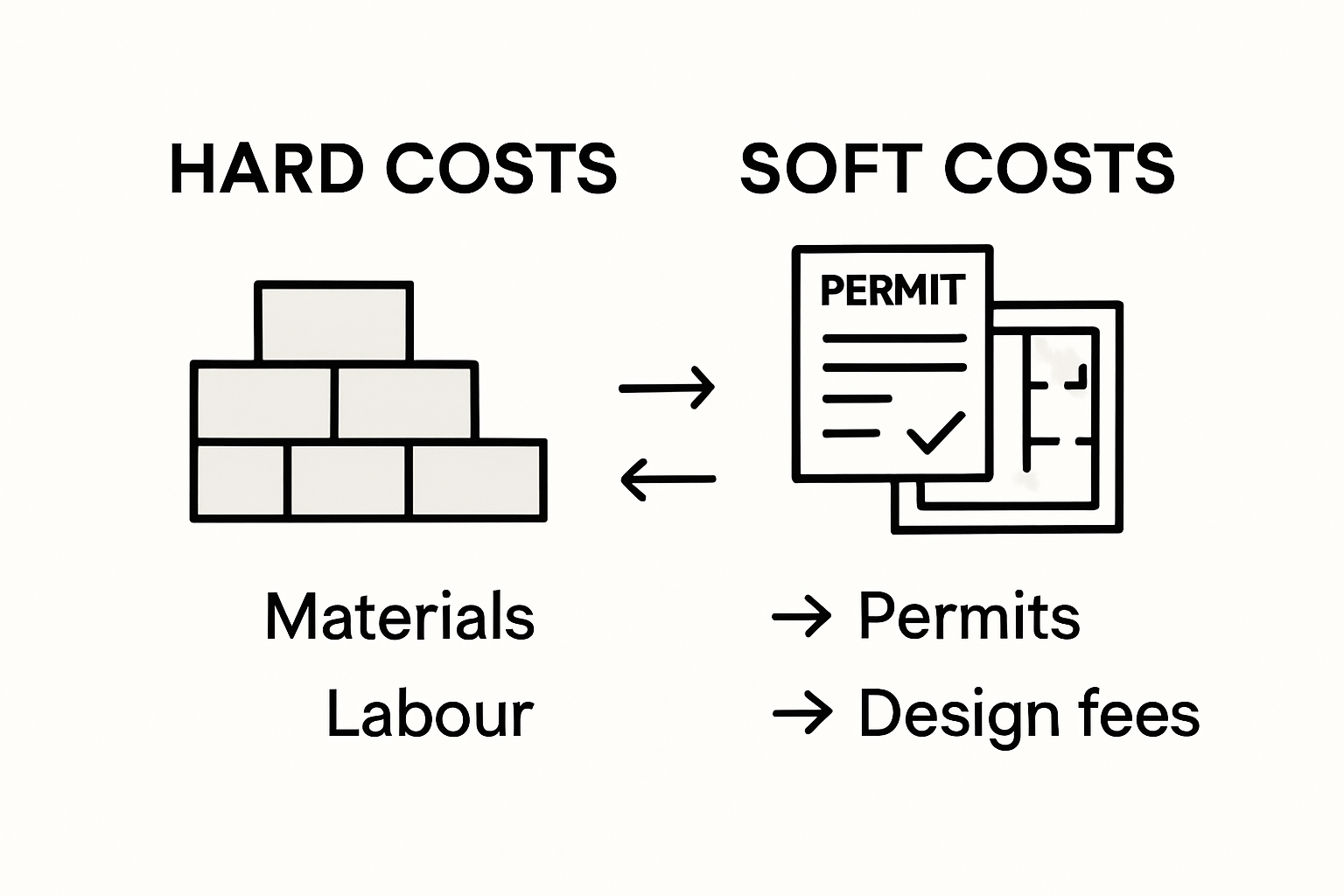
While developing your budget, categorize expenses into hard and soft costs. Hard costs include direct construction expenses like materials, labour, and equipment. Soft costs encompass permits, architectural drawings, engineering consultations, and potential project management fees. Getting detailed quotes from multiple contractors will help you create a realistic financial framework. Remember that transparency and precision in this initial planning stage can significantly reduce stress and prevent budget overruns throughout your home construction journey.
Stage 2: Select Reliable Contractors and Define Your Scope
Selecting the right contractor is a pivotal decision that can make or break your home construction project. Your goal is to find a professional who not only understands your vision but can execute it with precision and reliability.
Start by thoroughly vetting potential contractors through comprehensive research and due diligence. Request detailed portfolios showcasing previous projects similar to yours, and carefully examine their past work for quality, craftsmanship, and attention to detail. Verify their professional credentials by checking licensing status, insurance coverage, and any professional associations or certifications. During initial consultations, discuss your project scope explicitly 一 outline every specific requirement, desired outcome, and potential challenge. A reputable contractor will listen carefully, ask clarifying questions, and provide transparent feedback about feasibility and potential constraints.
Before signing any agreements, ensure you have a comprehensive written contract that meticulously details the project scope, timeline, materials to be used, payment schedule, and contingency plans. Request references from recent clients and take time to contact them about their experience. Pay attention to how the contractor communicates, their responsiveness, and their ability to provide clear, detailed explanations. A reliable contractor will not only demonstrate technical expertise but also show genuine commitment to understanding and achieving your specific home construction goals.
Stage 3: Obtain Permits and Finalize Project Timeline
Obtaining the necessary permits and establishing a clear project timeline are critical steps that will determine the smooth progression of your home construction project. These administrative tasks might seem tedious, but they are essential for legal compliance and effective project management.
Begin by consulting a certified contractor to scope your project details, which helps reduce unexpected complications. Research your local municipal requirements for building permits, as regulations can vary significantly between jurisdictions. Prepare comprehensive documentation including detailed blueprints, site plans, and technical specifications. When budgeting for these initial stages, anticipate costs for professional documentation 一 architectural plans typically range from $1 to $3 per square foot, with more complex builds potentially increasing this rate.
Create a realistic project timeline that accounts for permit processing, potential bureaucratic delays, and sequential construction phases. Work closely with your chosen contractor to develop a comprehensive schedule that includes buffer periods for unexpected challenges. Secure all necessary permits before commencing any physical construction work. Professional tip: maintain flexible communication channels with municipal authorities and your construction team to quickly address any potential regulatory or logistical obstacles that might arise during the permitting and planning stages.
Stage 4: Oversee Construction Progress and Communicate Clearly
Successful home construction requires active oversight and clear communication between all project stakeholders. Your role is to stay engaged, informed, and proactive throughout the entire building process.
Maintain detailed records and regular stakeholder communication to ensure transparency and trust. Schedule weekly or biweekly progress meetings with your contractor to review completed work, upcoming tasks, and potential challenges. During these meetings, discuss any deviations from the original plan, budget adjustments, and timeline modifications. Embrace digital tools and construction management software to streamline budget monitoring and cost reporting, which can provide real-time insights into project progress and financial tracking.
Be present during key construction milestones but avoid micromanaging. Request photographic documentation of progress, maintain an open line of communication, and address concerns promptly and professionally. Keep all communication documented, including emails, meeting notes, and change orders. This approach not only helps track the project’s evolution but also provides a clear record in case of future disputes or misunderstandings. Remember that effective communication is a collaborative process that requires patience, clarity, and mutual respect.
Stage 5: Inspect Completed Work and Address Deficiencies
The final stage of home construction requires meticulous attention to detail and a systematic approach to ensuring every aspect of your project meets the highest quality standards. Your goal is to comprehensively evaluate the completed work and address any potential issues before final project sign-off.
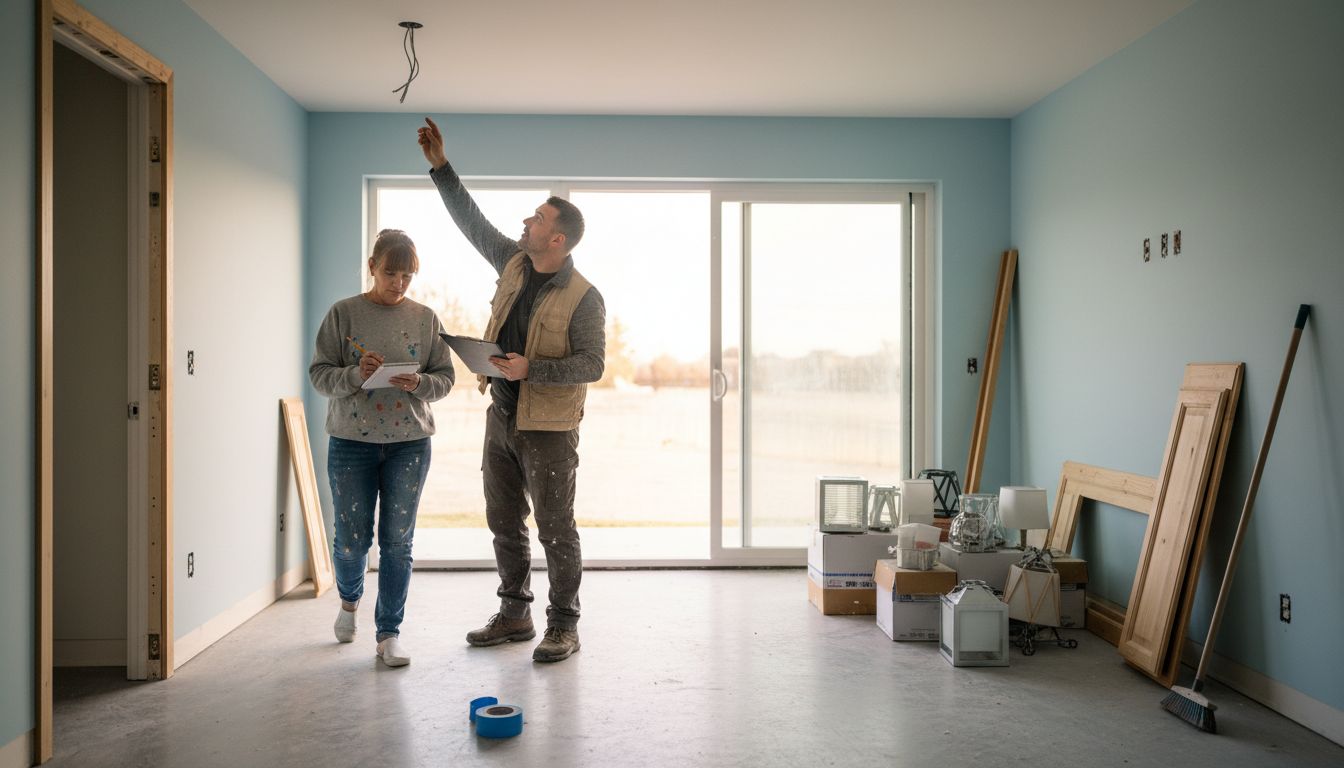
Carefully vet the quality of work performed, conducting a thorough walkthrough with your contractor to document and discuss any areas requiring refinement. Create a comprehensive inspection checklist that covers structural integrity, finishing details, functional systems, and aesthetic elements. Examine every room and exterior space methodically, checking for alignment, proper installation, surface quality, and compliance with original project specifications. Pay special attention to critical areas such as electrical systems, plumbing connections, structural joints, and finish work.
Document all identified deficiencies in writing, using clear and specific language that describes exact locations and nature of problems. Schedule a formal review meeting with your contractor to discuss these findings, establishing a mutually agreed upon timeline for addressing and rectifying any issues. Maintain a professional yet collaborative approach, recognizing that minor adjustments are normal in complex construction projects. Request written confirmation of proposed corrections and schedule a follow-up inspection to verify that all noted deficiencies have been successfully resolved before releasing final payment.
Take Control of Your Home Construction Project with Trusted Experts
Managing every stage of home construction for the best results can be overwhelming. From setting a realistic budget to selecting contractors and overseeing progress clear communication and precise planning are essential. If you want to avoid surprises and ensure quality craftsmanship throughout the process consider partnering with seasoned professionals who understand every step of the journey.
Henley Contracting Ltd. offers expert guidance and hands-on service in both custom build and renovations. With over 30 years of experience serving communities in Ontario you gain access to trusted advice on budgeting contractor selection permitting and project oversight. This commitment to transparency and quality helps homeowners turn complex projects into rewarding realities.
Start your home construction journey today with the confidence that comes from skilled partnership. Visit Henley Contracting Ltd. to explore how we can help you manage your project efficiently from planning to completion. Your dream home deserves the best foundation and we are ready to build it with you.
Frequently Asked Questions
How can I assess my construction needs before starting a project?
To assess your construction needs, document your objectives in detail, including desired features, materials, and room configurations. Research local building codes and regulations to ensure compliance. This comprehensive approach will help you establish a clear project scope and budget.
What should I include in my construction budget?
Your construction budget should include both hard costs, such as materials and labour, and soft costs like permits and design fees. It’s advisable to reserve 10 to 20 percent of your total budget for unexpected expenses. Break down all expenses into categories to streamline financial planning.
How do I select the right contractor for my home construction?
To select the right contractor, thoroughly vet candidates by reviewing their portfolios and checking their credentials, such as licensing and insurance. During consultations, clearly outline your project scope and expectations to gauge their understanding and commitment. Aim to gather multiple quotes to compare rates and services offered.
What steps are necessary to obtain permits for my construction project?
To obtain permits, start by researching local municipal requirements specific to your project. Prepare the necessary documentation, including detailed blueprints and technical specifications. Ensure you secure all permits before commencing any construction work to avoid delays.
How can I effectively oversee construction progress?
Effectively oversee construction progress by maintaining open communication with all stakeholders and scheduling regular progress meetings. Document all communications and keep detailed records of the work performed and any challenges encountered. This proactive approach will help you stay informed and address issues quickly.
What should I do if I find deficiencies in the completed work?
If you find deficiencies, conduct a detailed walkthrough with your contractor to identify issues clearly. Document these deficiencies in writing and schedule a meeting to discuss corrective actions and timeline for resolution. This structured approach ensures that all problems are addressed before final project sign-off.