

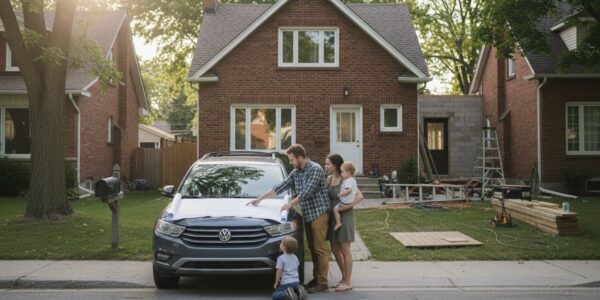
Why Consider Home Extensions in Durham Region
Adding a home extension can raise property value for Durham Region homeowners by as much as 15 percent according to recent Canadian market data. Expanding your living space in Oshawa offers more than room to grow. Thoughtfully planned renovations deliver tailored solutions for evolving family needs and open new financial possibilities. This guide explores practical extension strategies and highlights what Durham Region residents should know before working with local contractors.
Key Takeaways
| Point | Details |
|---|---|
| Home Extensions as Strategic Investments | Extensions enhance property value and increase functionality, accommodating changing family needs and potential rental income. |
| Financial and Tax Benefits | Homeowners can benefit from tax advantages and increased property equity, making extensions a prudent financial decision. |
| Understanding Legal Requirements | Navigating zoning regulations and permit requirements is essential to ensure compliance and protect against legal issues during construction. |
| Comparing Extensions and Moving | Extensions provide a cost-effective way to adapt living spaces while maintaining community ties, unlike the disruption caused by moving. |
What Home Extensions Mean for Homeowners
Home extensions represent far more than just additional square footage for Durham Region homeowners. They are strategic investments that transform living spaces, enhance property functionality, and significantly boost long-term real estate value. Understanding how these renovations impact your property requires a nuanced perspective that goes beyond simple construction.
For homeowners, extensions offer profound financial and lifestyle benefits. By strategically expanding living areas, you create customized spaces that adapt to changing family needs. These modifications can accommodate growing families, create home offices, or generate additional rental income potential. Homeowners associations play a crucial role in maintaining neighbourhood standards, which means thoughtfully designed extensions can positively impact both individual property and community values.
Financial considerations are equally compelling. Home extensions can provide substantial tax advantages and increase overall property equity. Homeowners might benefit from potential deductions related to home improvement investments, making extensions not just a lifestyle enhancement but a strategic financial decision. Understanding local zoning regulations, building codes, and potential tax implications becomes crucial when planning these transformative projects.
Pro tip: Before initiating any home extension project, consult with local Durham Region contractors and municipal planning departments to understand precise requirements and potential financial incentives available for home improvements.
Popular Types of Home Extensions in Canada
Durham Region homeowners have multiple options for expanding their living spaces, each tailored to unique family needs and property configurations. Canadian residential buildings support diverse extension strategies that can transform existing homes into more functional and valuable properties. These extensions range from simple room additions to comprehensive structural modifications that reimagine living spaces.
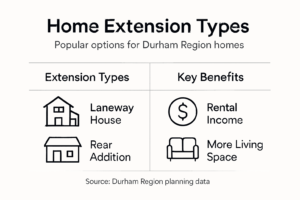
One innovative extension type gaining popularity across Canadian urban centres is the laneway house. These compact, detached secondary suites offer homeowners flexible solutions for multi-generational living or potential rental income. Laneway houses represent a strategic approach to urban density, particularly in cities like Vancouver, Toronto, and Edmonton, where space is at a premium. They provide an intelligent way to maximize property potential without significantly altering neighbourhood character.
Beyond laneway houses, Canadian homeowners typically explore several extension options. These include rear additions, second-storey expansions, basement developments, and sunroom conversions. Each extension type offers unique benefits depending on the homeowner’s specific requirements. Factors like existing home architecture, local zoning regulations, budget constraints, and family lifestyle play crucial roles in determining the most suitable extension strategy for Durham Region properties.
Here’s a summary of popular home extension types in Canada and their unique advantages:
| Extension Type | Distinct Benefit | Most Suitable For |
|---|---|---|
| Laneway House | Separate living/rental space | Urban lots with rear access |
| Rear Addition | Expands main living areas | Families needing more space |
| Second-storey Add | Maximizes vertical space | Small lots, growing households |
| Basement Renovation | Adds usable lower-level space | Increasing living/entertainment |
| Sunroom Conversion | Year-round natural light | Relaxation, home offices |
Pro tip: Consult with local municipal planning departments and experienced contractors to understand specific zoning regulations and potential restrictions before finalizing your home extension design.
Planning and Design Considerations
Successful home extensions in Durham Region require a comprehensive approach that balances aesthetic, functional, and regulatory requirements. Sustainable urban development principles underscore the importance of thoughtful design that goes beyond mere square footage expansion. Homeowners must consider how their extension integrates with existing architectural elements, neighbourhood character, and long-term property value.

A critical first step involves conducting a thorough site analysis. This comprehensive evaluation includes assessing soil conditions, drainage patterns, existing structural integrity, and potential environmental constraints. Detailed site assessment techniques help homeowners identify potential challenges and opportunities before finalizing extension plans. Understanding these nuanced factors allows for more strategic design decisions that maximize both functional utility and aesthetic appeal.
The design process should prioritize multiple considerations beyond basic construction. Factors like natural light optimization, energy efficiency, material selection, and compatibility with existing home systems become paramount. Homeowners must also navigate municipal zoning regulations, building codes, and potential heritage preservation requirements specific to Durham Region. This multilayered approach ensures that home extensions not only meet immediate family needs but also contribute positively to the broader community architectural landscape.
Pro tip: Engage a professional architectural designer or local contractor familiar with Durham Region’s specific building regulations to ensure your home extension meets all technical and aesthetic requirements.
Legal Requirements and Permit Process
Navigating the legal landscape for home extensions in Durham Region requires a comprehensive understanding of municipal regulations and permit requirements. Building permits are essential for significant structural changes that impact a property’s footprint, electrical systems, or fundamental structural integrity. Homeowners must recognize that not all renovation projects demand the same level of official documentation, but many substantive modifications require careful legal compliance.
Municipal regulations in Durham Region mandate specific permit processes for home extensions that alter structural elements or property dimensions. The approval process involves submitting detailed architectural plans, demonstrating compliance with local building codes, zoning restrictions, and safety standards. These requirements protect homeowners by ensuring construction meets professional engineering and safety benchmarks, preventing potential future legal complications or mandatory retroactive modifications.
The permit application typically involves multiple stages of review. Homeowners must prepare comprehensive documentation including architectural drawings, site plans, proposed structural modifications, and detailed specifications of electrical, plumbing, and mechanical systems. Local municipal offices review these submissions to verify compliance with regional building codes, environmental regulations, and neighbourhood development guidelines. Professional contractors familiar with Durham Region’s specific requirements can significantly streamline this complex documentation process.
Pro tip: Schedule a preliminary consultation with municipal building department representatives to understand exact permit requirements before investing in detailed architectural plans.
Cost Factors and Return on Investment
Home extensions in Durham Region represent significant financial investments that require careful economic analysis. Construction costs encompass multiple complex factors beyond simple material and labour expenses. Homeowners must consider site preparation, material quality, design complexity, and regional pricing variations that can substantially impact overall project budgeting.
Calculating the potential return on investment demands a sophisticated approach. ROI measurements help quantify home improvement value by comparing project costs against anticipated property value increases. Factors like extension type, quality of construction, neighbourhood property values, and current real estate market conditions all influence the financial outcomes. Typically, home extensions that add functional living space or modernize key areas like kitchens and primary bathrooms tend to generate more significant returns.
Durham Region homeowners should anticipate varying cost ranges depending on extension complexity. Basic room additions might range from $100 to $300 per square foot, while more intricate projects involving complex structural modifications, high-end finishes, or specialized systems could escalate costs. Critical budget considerations include professional design fees, permit expenses, potential site remediation, and unexpected construction challenges. Smart homeowners build contingency funds of 10-15% into their project budgets to manage potential unexpected expenditures.
Pro tip: Obtain multiple detailed quotes from reputable local contractors and request comprehensive breakdowns of estimated costs to develop a more accurate financial projection for your home extension project.
Comparing Extensions Versus Moving Home
Homeowners in Durham Region face complex decisions when outgrowing their current living spaces, with home extensions and relocation presenting distinct advantages and challenges. Housing stability requires careful consideration of financial, emotional, and practical factors that extend beyond simple square footage requirements. The choice between renovating and moving involves nuanced evaluations of personal circumstances, long-term goals, and community connections.
Moving can significantly disrupt family dynamics, particularly for families with school-aged children. Home extensions offer a compelling alternative by allowing families to remain anchored in familiar neighbourhoods, maintain established social networks, and minimize educational and psychological transitions. This approach preserves community ties while addressing spatial limitations through strategic home modifications.
Financial implications play a critical role in the decision-making process. Moving involves substantial expenses including real estate commissions, legal fees, moving costs, and potential property upgrades. In contrast, home extensions represent a more targeted investment that can be completed in stages, allowing homeowners to manage budgets more flexibly. Extensions also provide opportunities to customize living spaces precisely to family needs, whereas moving requires compromising on existing property characteristics and potentially accepting less-than-ideal layouts.
Compare key factors to consider when deciding between extending your home and moving:
| Decision Factor | Extending Your Home | Moving to a New Home |
|---|---|---|
| Disruption Level | Minimal, remain in same community | High, impacts routines |
| Customisation | Fully tailored to your needs | Limited to existing properties |
| Upfront Costs | Construction, permits, design fees | Agent fees, land transfer taxes |
| Emotional Impact | Maintains family and social ties | Potential loss of neighbours |
Pro tip: Conduct a comprehensive cost-benefit analysis comparing potential moving expenses against extension costs, including emotional and logistical factors beyond pure financial calculations.
Transform Your Durham Region Home with Expert Extensions
Facing the challenge of expanding your living space while maintaining your family’s connection to the community can feel overwhelming. The article highlights key pain points such as navigating local zoning laws, balancing budget constraints, and designing functional spaces that grow with your family. Strategic home extensions demand craftsmanship and regional knowledge to create beautiful, efficient, and code-compliant living areas.
Henley Contracting understands these unique challenges and brings over three decades of experience serving Durham Region homeowners. Whether you’re considering a basement renovation for added living space or a full home addition, our team prioritizes quality, attention to detail, and respect for your neighbourhood’s character. Browse our Basements – Henley Contracting Ltd. to see how we turn underused space into valuable living areas.
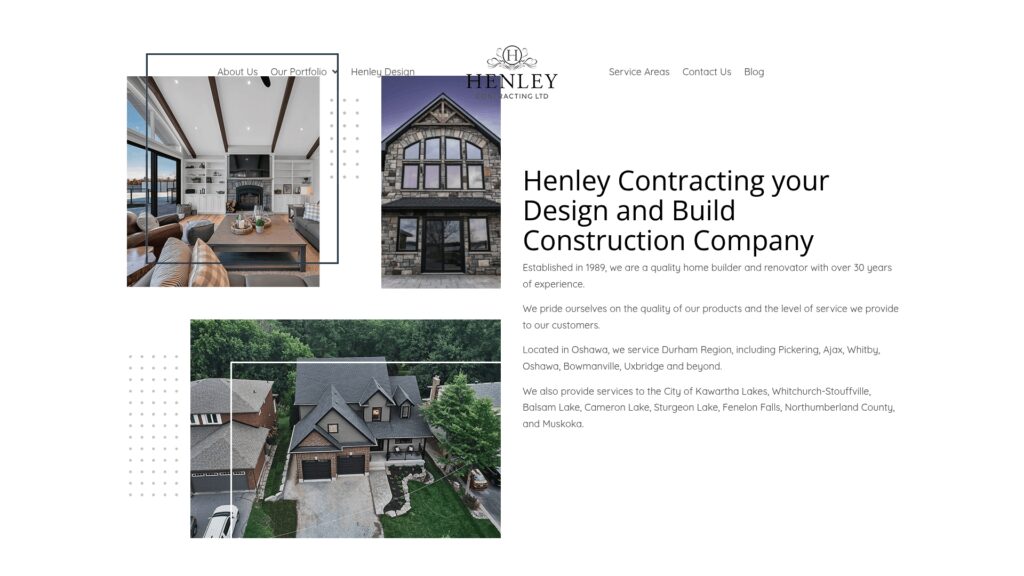
Ready to enhance your home without the disruption of moving? Visit Henley Contracting to discover trusted residential building and renovation solutions backed by a local commitment. Explore our Aging in Place – Henley Contracting Ltd. options to future-proof your home as your needs evolve. Contact us today for a consultation and take the first step toward the home extension your family deserves.
Frequently Asked Questions
What are the benefits of home extensions?
Home extensions provide additional square footage, enhance property value, and adapt living spaces to changing family needs, such as accommodating larger families or creating rental income opportunities.
What types of home extensions are popular?
Popular types include laneway houses for rental income, rear additions for expanded living areas, second-storey additions to maximize vertical space, basement renovations for usable lower-level space, and sunroom conversions for natural light.
How do I determine the cost of a home extension?
Costs can vary widely based on factors like design complexity, materials, and labor, typically ranging from $100 to $300 per square foot for basic room additions and escalating for more intricate projects.
What legal requirements do I need to consider for a home extension?
Home extensions often require building permits and compliance with local zoning regulations and building codes. It’s essential to consult with municipal planning departments and obtain the necessary approvals before starting construction.


