

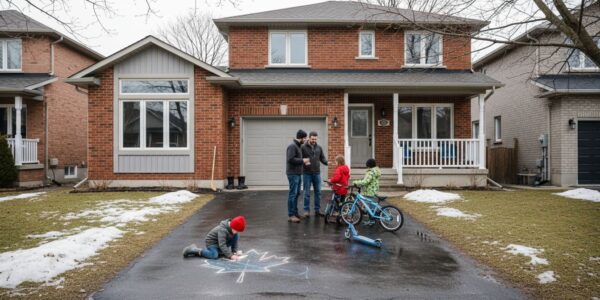
7 Types of Home Additions for Growing Canadian Families
Over 50 percent of Canadian homeowners in Durham Region report that family growth often leads to outgrowing their current home layout. This challenge becomes particularly pressing for households seeking more space and flexibility without leaving their established neighbourhood. If you are considering a custom home addition, you will find practical ideas and important insights here to help maximize your property’s functionality and resale value.
Quick Summary
| Key Message | Explanation |
|---|---|
| 1. Plan Carefully for Home Additions | Understand local building regulations and budget for potential costs before starting a project to avoid complications. |
| 2. Consult Professionals for Feasibility | Engage architects and structural engineers to assess the viability of your addition based on your home’s current condition. |
| 3. Prioritize Comfort and Aesthetics | Choose materials and designs that complement your existing home to maintain visual consistency and ensure functional integration. |
| 4. Factor in Financial Considerations | Budget not only for construction but also for potential temporary housing and property tax adjustments related to your project. |
| 5. Address Moisture and Insulation in Basements | Implement thorough waterproofing and insulation solutions to ensure long-term safety and comfort in newly finished areas. |
1. Building a Second-Storey Addition for Extra Space
For growing Canadian families feeling squeezed in their current home, a second-storey addition offers a strategic solution to expand living space without sacrificing valuable yard area. This vertical expansion provides an innovative way to accommodate increasing family needs while potentially increasing your property’s overall market value.
Addressing space constraints requires careful planning and understanding of local building regulations. The Ontario home addition guidelines outline critical steps homeowners must consider before embarking on this significant renovation project. Structural integrity, zoning permissions, and building code compliance become paramount when contemplating a vertical home expansion.
A second-storey addition typically involves constructing an entirely new floor above your existing ground level, which demands comprehensive engineering assessments. Structural engineers will evaluate your home’s current foundation, load-bearing walls, and overall architectural framework to determine feasibility. Some older homes might require additional reinforcement to support the new level safely.
The process involves several critical stages including architectural design, permit acquisition, structural modifications, and careful construction sequencing. Homeowners should anticipate potential disruptions during construction and plan accordingly. Temporary relocation might be necessary depending on the project’s complexity and duration.
Financial considerations play a significant role in second-storey additions. Costs can range from $100 to $300 per square foot in the Ontario market, influenced by factors like material quality, design complexity, and local labour rates. Budgeting should include not just construction expenses but also potential temporary housing costs and potential property tax adjustments.
Pro Tip: Consult multiple licensed contractors and request detailed written estimates that break down all potential expenses, including structural assessments, permits, materials, labour, and potential contingency funds to avoid unexpected financial surprises during your home expansion project.
2. Adding a Main Floor Extension for Larger Living Areas
For Canadian families seeking functional space without vertical complexity, a main floor extension represents an optimal home expansion strategy. This horizontal approach allows homeowners to create seamless additional living areas that integrate naturally with existing floor plans.
Main floor extensions typically involve constructing new square footage adjacent to the current home structure, providing opportunities to enlarge key living spaces like kitchens, family rooms, or dining areas. Home addition planning in Ontario requires careful consideration of municipal zoning regulations, property line setbacks, and potential impact on existing landscaping.
The design process demands strategic thinking about how new spaces will connect with current rooms. Architects and contractors focus on creating fluid transitions that feel organic rather than disjointed. Homeowners might choose to expand living rooms for more family gathering space, extend kitchens for enhanced culinary functionality, or create multipurpose areas that adapt to changing family needs.
Structurally, main floor extensions require comprehensive foundation work, potentially involving soil assessments, drainage considerations, and load bearing evaluations. Materials must complement existing home aesthetics while meeting Ontario building code requirements. Careful selection of windows, flooring, and exterior finishes ensures the new extension appears cohesive with the original structure.
Financial investment for main floor extensions varies significantly based on square footage, design complexity, and selected materials. Homeowners can anticipate costs ranging between $200 to $500 per square foot in the current Ontario residential construction market. These expenses encompass architectural design, permits, materials, labour, and potential landscaping restoration.
Pro Tip: Conduct a thorough site survey and consult multiple contractors to understand precise grading, soil conditions, and potential underground utility impacts before finalizing your main floor extension design.
3. Finishing a Basement for Functional Living
For Canadian families seeking additional living space without expanding their home’s physical footprint, basement finishing offers an ingenious solution to maximize existing square footage. Transforming an unfinished basement into a functional living area can dramatically increase your home’s usable space and potential market value.
Basement renovations require comprehensive planning to address unique challenges such as moisture control, insulation, and building code compliance. Basement renovation guidelines emphasize the critical importance of proper waterproofing, ventilation, and structural integrity before beginning any finishing work.
The potential uses for a finished basement are remarkably diverse. Homeowners might design multipurpose spaces including recreation rooms, home offices, additional bedrooms, entertainment zones, or even self contained rental suites. Each design must carefully consider electrical requirements, natural light opportunities, and egress safety standards specific to Ontario building regulations.
Financial considerations play a significant role in basement renovation projects. Costs typically range between $30 to $75 per square foot depending on complexity, material selections, and required structural modifications. Factors like ceiling height, moisture mitigation, and potential need for additional structural supports can substantially impact overall project expenses.
Designing a basement renovation requires strategic thinking about lighting, comfort, and functionality. Careful selection of moisture resistant materials, strategic window placement, and appropriate insulation techniques can transform a previously underutilized space into a warm, inviting area that feels like a natural extension of your home.
Pro Tip: Prioritize a professional moisture assessment and comprehensive waterproofing strategy before beginning any basement finishing project to prevent future structural and health related complications.
4. Expanding with a Sunroom or Four-Season Room
For Canadian homeowners seeking versatile living spaces that connect interior comfort with outdoor beauty, sunrooms and four-season rooms offer an innovative home expansion solution. These architectural additions create flexible environments that maximise natural light and provide unique opportunities for relaxation and entertainment.
Sunroom construction considerations vary significantly between three-season and four-season designs, with critical differences in insulation, heating, and year-round usability. Three-season rooms typically feature minimal temperature control and are most comfortable during spring, summer, and early autumn, while four-season rooms incorporate robust insulation and heating systems that allow comfortable use throughout Canadian winters.
Designing a sunroom requires careful planning to address Ontario building codes, structural integrity, and climate resilience. Homeowners must consider factors like foundation requirements, window specifications, thermal efficiency, and potential impact on property taxes. Modern sunroom constructions often integrate energy efficient glass, radiant floor heating, and advanced insulation techniques to create comfortable spaces that seamlessly blend indoor and outdoor living experiences.
Financial investment for sunroom additions can range between $20,000 to $80,000 depending on size, materials, and complexity of design. Factors influencing cost include foundation type, glass quality, electrical work, and whether you choose a three-season or fully insulated four-season room. Potential benefits include increased home value, additional living space, and enhanced natural light exposure.
Architectural integration is crucial when adding a sunroom. Successful designs should complement existing home aesthetics, maintain consistent rooflines, and use materials that harmonise with the original structure. Careful consideration of orientation, window placement, and thermal performance can transform a sunroom from a simple addition to a functional, beautiful living space.
Pro Tip: Consult local building professionals to understand precise permit requirements and potential zoning restrictions before finalising your sunroom design, as regulations can vary significantly between different municipalities in Ontario.
5. Creating an In-Law Suite for Multi-Generational Living
As Canadian families increasingly embrace multi-generational living arrangements, in-law suites have emerged as a thoughtful solution for maintaining family connectivity while preserving individual privacy and independence. These purpose-designed living spaces provide an elegant answer to changing family dynamics and housing needs.
Multi-generational home design requires careful consideration of privacy, accessibility, and functional independence. Successful in-law suites typically include a self-contained living area with bedroom, bathroom, kitchenette, and separate entrance, allowing older parents or adult children to maintain autonomy while remaining closely connected to the family.
Ontario municipalities have specific zoning regulations governing secondary suites, requiring homeowners to navigate complex permitting processes. Potential considerations include minimum room sizes, egress requirements, parking provisions, and separate utility metering. Architectural design must balance family integration with individual dignity, creating spaces that feel welcoming and respectful.
Financial implications of in-law suite construction vary widely, with costs ranging from $50,000 to $150,000 depending on complexity, existing home structure, and chosen amenities. Potential benefits include reduced eldercare costs, shared household expenses, and increased property value. Some homeowners leverage these spaces as potential rental units when not occupied by family members, creating additional income streams.
Design elements should prioritize accessibility and comfort, incorporating features like wider doorways, walk-in showers, lever style door handles, and strategic lighting to support aging family members. Thoughtful acoustic design and separate climate controls can further enhance comfort and privacy for multi-generational households.
Pro Tip: Consult local municipal planning departments early in your design process to understand precise secondary suite regulations and potential zoning restrictions specific to your neighbourhood.
6. Building a Garage Addition for Storage and Vehicles
For Canadian homeowners seeking additional storage space and vehicle protection, a garage addition represents a strategic home improvement that enhances functionality and property value. These purposeful structures offer more than simple shelter for automobiles, providing versatile spaces for storage, workshop activities, and equipment protection.
Municipal building regulations play a critical role in garage addition planning, with specific requirements governing setbacks, size, height, and structural design. Homeowners must navigate complex zoning bylaws, which vary significantly between different Ontario municipalities, requiring careful research and potentially professional consultation.
Garage additions involve comprehensive planning beyond simple construction. Structural considerations include foundation requirements, roof pitch compatibility with existing home design, electrical wiring, potential insulation needs, and ensuring proper drainage. Attached versus detached garage designs each offer unique advantages, with attached models providing easier home access and detached options offering greater flexibility in placement and design.
Financial investment for garage additions can range between $30,000 to $75,000 depending on size, materials, and complexity. Factors influencing cost include square footage, foundation type, roofing materials, door mechanisms, electrical work, and any additional features like built-in storage or workshop areas. Potential return on investment includes increased property value, improved home functionality, and enhanced vehicle and equipment protection.
Design considerations should prioritize harmony with existing home architecture, using complementary materials and maintaining consistent aesthetic elements. Modern garage additions increasingly incorporate energy efficient features, robust security systems, and multipurpose design elements that maximise utility beyond simple vehicle storage.
Pro Tip: Obtain comprehensive site surveys and municipal zoning documents before finalising garage addition plans to ensure full compliance with local building codes and avoid potential legal complications.
7. Converting Attic Space into Usable Rooms
For Canadian homeowners seeking additional living space without expanding their home’s physical footprint, converting unused attic areas into functional rooms offers an ingenious solution. This vertical renovation strategy transforms underutilised overhead spaces into valuable living areas that can accommodate growing family needs.
Attic conversion guidelines emphasise the critical importance of comprehensive structural assessments and building code compliance. Successful transformations require careful evaluation of roof pitch, load bearing capacity, headroom requirements, and potential modifications to ensure safe, comfortable living spaces.
Ontario building regulations mandate specific standards for habitable attic spaces, including the critical ‘rule of 7s’ that requires at least 50% of the floor area to have a ceiling height of 7 feet or more. Structural engineering considerations include reinforcing floor joists, addressing potential moisture issues, ensuring proper insulation, and creating safe emergency egress routes.
Financial investment for attic conversions typically ranges between $50,000 to $100,000, depending on complexity, existing structure, and desired finishes. Potential room types include bedroom additions, home offices, creative studio spaces, or additional living areas. Careful design can integrate skylights, dormer windows, and strategic lighting to create bright, inviting spaces that feel like natural extensions of the home.
Technical challenges include managing roof ventilation, addressing potential condensation issues, ensuring proper thermal performance, and creating safe, comfortable access through thoughtfully designed staircases. Homeowners must also consider electrical wiring, heating and cooling integration, and soundproofing to create truly functional living spaces.
Pro Tip: Engage a professional structural engineer to conduct a comprehensive assessment of your attic’s potential before beginning renovation work, as not all attic spaces are suitable for conversion.
Below is a comprehensive table summarizing the various home expansion options discussed in the article, including their characteristics, processes, and considerations.
| Expansion Option | Description | Key Considerations |
|---|---|---|
| Second-Storey Addition | Adding an extra floor to increase living space without reducing yard area. | Requires structural assessments, adherence to local building codes, potential temporary relocation for construction. |
| Main Floor Extension | Expanding horizontally to add living areas such as kitchens or family rooms. | Plans must consider zoning regulations, foundation integration, and landscaping changes. |
| Basement Finishing | Converting an unfinished basement into functional living space. | Emphasis on waterproofing, egress safety, and preserving existing structural integrity. |
| Sunroom or Four-Season Room | Incorporating a sunlit space connected to the home for leisure or functional use. | Attention to insulation, climate resilience, building codes, and aesthetic integration. |
| In-Law Suite | Creating independent living quarters for multi-generational living. | Focus on privacy, separate utilities, and adherence to zoning regulations for secondary suites. |
| Garage Addition | Building additional space for storage and vehicle protection. | Requirements include structural compatibility, zoning compliance, and potential additional costs. |
| Attic Conversion | Repurposing the attic into a usable room such as a bedroom or office. | Assessments for structural suitability, headroom compliance, and safe access. |
This table conveys the essential information required to understand and evaluate each home expansion option.
Expand Your Home with Confidence for Your Growing Canadian Family
Feeling the squeeze in your current space is a common challenge for growing Canadian families. Whether you are considering a second-storey addition, finishing your basement, or creating versatile living areas, finding trusted guidance and expert craftsmanship makes all the difference. Henley Contracting understands the importance of smart home expansions that blend comfort, function, and long-term value. From navigating permitting and structural challenges to thoughtful design tailored to your family’s needs, we bring over three decades of experience serving communities across Durham, Kawartha Lakes, and Northumberland.
Ready to make your dream home expansion a reality? Explore our comprehensive Renovations services designed to accommodate every stage of life. If maximizing your existing space is a priority, discover how finishing your basement can transform your home at Basements – Henley Contracting Ltd.. Trust in a local partner who values craftsmanship and customer care. Contact us today at Henley Contracting to start planning your custom home addition that perfectly suits your family’s evolving lifestyle.
Frequently Asked Questions
What are the benefits of adding a second-storey addition to my home?
A second-storey addition provides extra space for growing families without sacrificing outdoor yard area. To explore this option, assess your current space requirements and consult with structural engineers to evaluate feasibility.
How can I ensure my main floor extension integrates well with my existing home?
To achieve a seamless integration, focus on design elements that match your current architecture, such as materials and colour schemes. Reach out to architects to create a cohesive design plan that enhances your living areas.
What is the typical cost range for finishing a basement in Canada?
Finishing a basement typically costs between $30 to $75 per square foot, depending on the complexity and materials used. Before starting, prepare a detailed budget that includes all potential expenses to avoid surprises during the project.
What should I consider when designing a sunroom or four-season room?
When designing a sunroom, focus on insulation, heating, and the intended seasonal use of the space. Engage with local builders to ensure your sunroom meets building codes and is tailored to withstand Canadian climates.
How do I navigate the permitting process for building an in-law suite?
To navigate the permitting process, research your local municipality’s regulations concerning secondary suites. Contact municipal planning offices early in your design process to gather all necessary information and documentation required for your project.
What are the essential structural considerations for converting an attic into usable space?
Key structural considerations include assessing load-bearing capabilities, ceiling height, and ventilation needs. Schedule a professional structural engineer to evaluate your attic’s suitability for conversion before beginning any renovations.


