


7 Essential Top Home Builder Tips for Durham Homeowners
More than 60 percent of Canadian homeowners who plan a renovation face unexpected costs or project delays. For those in Durham Region, building or upgrading your home is both an exciting and complex journey, shaped by unique local regulations and the realities of the Ontario housing market. With trusted advice from experienced Canadian builders, you can avoid common pitfalls, clarify your goals, and make smart choices that deliver lasting value for your investment.
Quick Summary
| Takeaway | Explanation |
|---|---|
| 1. Define clear project goals | Establishing specific objectives minimizes misunderstandings and surprises during the construction process. |
| 2. Choose experienced local builders | Select builders with proven credentials and a strong local track record to ensure quality and compliance. |
| 3. Understand local permit regulations | Familiarize yourself with municipal building requirements to avoid legal issues and project delays. |
| 4. Prioritize high-quality materials | Selecting durable, sustainable materials enhances your home’s performance and long-term value. |
| 5. Maintain effective communication | Consistent dialogue with your builder prevents misunderstandings and keeps the project on track. |
1. Define Your Project Goals and Budget Clearly
Building or renovating your home requires crystal clear planning from the start. Your project’s success depends on setting precise goals and establishing a realistic budget that aligns with your vision.
Understanding your project objectives helps prevent costly misunderstandings and unexpected expenses. The Government of Canada’s Business Case Guide recommends comprehensively documenting your project’s scope, including potential benefits, anticipated costs, associated risks, desired timeframe, and potential stakeholder impacts.
Begin by asking yourself key questions: What specific improvements do you want? Are you adding square footage, upgrading essential systems, or completely transforming a space? Each goal will significantly impact your budget and project complexity. The City of Ottawa’s Homeowner’s Building Application Checklists suggest creating a detailed project plan that outlines every aspect of your home improvement.
When establishing your budget, factor in not just construction costs, but also permit fees, potential design consultations, material expenses, labour rates, and a recommended contingency fund of 10 to 20 percent for unexpected challenges. Breaking down expenses into categories helps maintain financial clarity and prevents budget overruns.
Key Budget Considerations:
- Material costs
- Labour expenses
- Permit and inspection fees
- Design and architectural services
- Potential structural modifications
- Finishing and decorative elements
Pro tip: Create a comprehensive spreadsheet tracking every potential expense and update it regularly throughout your project to maintain financial transparency and control.
2. Choose Reputable Local Builders With Proven Experience
Selecting the right builder can make or break your home construction project. Your choice of builder directly impacts the quality, durability, and ultimate success of your home renovation or new build.
In Ontario, homeowners have access to robust resources for verifying builder credentials. The Home Construction Regulatory Authority provides a comprehensive Ontario Builder Directory that offers detailed background information on licensed builders, including their licensing status, years of professional activity, number of homes built, and any regulatory actions.
Beyond official registries, the Canadian Home Builders’ Association represents professional contractors who adhere to stringent industry standards. When evaluating potential builders, look for memberships in professional associations, which often indicate a commitment to quality and ongoing professional development.
Key Factors to Evaluate:
- Verifiable professional licensing
- Years of local experience
- Portfolio of completed projects
- Client testimonials and references
- Professional association memberships
- Insurance and warranty coverage
Research their past work thoroughly. Request to see completed projects similar to your planned construction, speak with previous clients, and carefully review their project portfolios. Local experience matters significantly most especially in the Durham Region, where unique building conditions and municipal regulations can impact construction approaches.
Pro tip: Always request and independently verify at least three references from builders you are considering, focusing on projects completed within the last two to three years.
3. Understand Building Permits and Regional Regulations
Navigating the complex world of building permits and regional regulations is crucial for any home construction project in Durham. Understanding these requirements protects you from potential legal complications and ensures your project meets all necessary safety and quality standards.
The National Building Code of Canada 2025 establishes foundational technical requirements that provinces and territories use as a baseline for construction standards. These regulations cover critical aspects of building design including safety, health, accessibility, and environmental protection.
Each municipality in the Durham Region has specific local bylaws and permit requirements that must be carefully understood before beginning any construction project. This means that what might be acceptable in one town could require different approvals in another. Researching your specific local regulations is not just recommended it is essential.
Key Permit Considerations:
- Structural modifications
- Electrical system upgrades
- Plumbing and mechanical changes
- Additions or significant renovations
- Zoning compliance requirements
Prepare a comprehensive application package that includes detailed architectural drawings, site plans, and any required engineering specifications. Most municipal offices offer pre application consultations to help homeowners understand exactly what documentation they will need.
Common Permit Processing Steps:
- Initial application submission
- Document review by municipal officials
- Site inspections
- Permit approval
- Final construction inspections
Pro tip: Contact your local municipal building department early in your planning process and request a comprehensive checklist of required documentation to streamline your permit application.
4. Prioritise Quality Materials for Lasting Results
Choosing high quality materials is the foundation of any successful home construction or renovation project. The materials you select will determine your home’s durability, performance, and long term value.
Sustainable building materials in Canada offer homeowners innovative options that balance performance with environmental responsibility. From advanced options like hempcrete to recycled plastic and glass foam, modern construction materials provide exceptional strength and resilience.
Quality materials are not just about immediate appearance they represent a strategic investment in your property’s future. Civil engineering research consistently demonstrates that material properties like structural strength, environmental resistance, and longevity directly impact a building’s performance and maintenance requirements.
Critical Material Selection Factors:
- Durability under local climate conditions
- Thermal performance
- Moisture resistance
- Structural integrity
- Environmental sustainability
- Long term maintenance requirements
Consider working with your builder to understand material grades, performance ratings, and manufacturer warranties. Not all materials are created equal some offer significantly better long term value despite higher upfront costs.
Material Quality Comparison Approach:
- Request detailed material specifications
- Compare performance ratings
- Review manufacturer warranties
- Assess long term maintenance costs
- Consider environmental impact
Pro tip: Request material samples and performance certifications from your builder to thoroughly evaluate their quality before final selection.
5. Plan for Energy Efficiency and Sustainability
Modern home construction requires a strategic approach to energy efficiency and environmental responsibility. Your choices today can significantly reduce long term operating costs and environmental impact.
Natural Resources Canada offers comprehensive guidance for homeowners seeking to optimize their property’s energy performance. The Canada Greener Homes Initiative provides valuable resources for both new builds and retrofitting existing structures to improve sustainability.
The National Energy Code of Canada for Buildings 2025 establishes critical frameworks for reducing operational greenhouse gas emissions and adapting buildings to changing climate conditions. This means your home can be both environmentally responsible and resilient to future environmental challenges.
Key Energy Efficiency Strategies:
- High performance insulation systems
- Energy efficient window and door installations
- Advanced heating and cooling technologies
- Smart home energy management systems
- Solar panel and renewable energy integration
- Proper building envelope design
Sustainability Consideration Checklist:
- Assess current energy consumption patterns
- Identify potential efficiency improvements
- Select sustainable building materials
- Implement energy monitoring systems
- Consider long term environmental impact
Pro tip: Request a professional energy audit during your construction planning to identify specific opportunities for maximizing your home’s energy performance and sustainability.
6. Maintain Clear Communication With Your Builder
Effective communication is the cornerstone of any successful home construction project. Your relationship with your builder will determine the smoothness and quality of your entire building experience.
The Canadian Home Builders’ Association emphasizes the critical nature of establishing clear communication protocols throughout the renovation process. This means creating structured channels for information exchange, setting expectations, and maintaining consistent dialogue.
Key Communication Best Practices:
- Designate a primary point of contact
- Schedule regular project update meetings
- Establish preferred communication methods
- Document all discussions and decisions in writing
- Set clear expectations for response times
- Create a shared project timeline
Understanding the importance of communication in construction helps prevent misunderstandings, reduce potential rework, and ensure your project stays on track. Professional builders appreciate clients who are engaged, clear, and proactive in their communication approach.
Communication Method Recommendations:
- Weekly in person or video conference meetings
- Shared digital project management platform
- Written summary of discussions after each meeting
- Immediate notification of any significant changes
- Respectful and constructive feedback channels
Pro tip: Create a dedicated project email address and communication folder to systematically track all project related correspondence and maintain clear, organized communication records.
7. Schedule Regular Site Inspections and Progress Updates
Construction projects require consistent oversight to ensure quality, safety, and alignment with your original vision. Regular site inspections are your primary tool for tracking progress and addressing potential issues before they become costly problems.
Workplace inspection protocols from Canadian government guidelines emphasize the importance of systematic examinations that include planning, thorough observation, detailed reporting, and comprehensive follow up. These principles apply directly to home construction projects.
Key Inspection Focus Areas:
- Structural integrity
- Material quality and installation
- Safety compliance
- Timeline progression
- Budget adherence
- Technical specifications
Provincial workplace inspection standards recommend documenting every inspection with clear, actionable reports. This means creating a structured approach to tracking your project’s evolution and maintaining transparent communication with your builder.
Recommended Inspection Frequency:
- Weekly walkthroughs during active construction
- Milestone checkpoint reviews
- Pre installation inspections
- Post installation verification
- Final comprehensive project review
Pro tip: Develop a standardized inspection checklist before your first site visit to ensure you consistently evaluate all critical aspects of your construction project.
Below is a comprehensive table summarizing the main strategies and considerations for successful home construction and renovation, as detailed in the article.
| Aspect | Details | Key Takeaways |
|---|---|---|
| Project Planning | Define clear goals and establish a realistic budget including contingency funds. | Prevents misunderstandings and financial issues. |
| Builder Selection | Choose reputable local builders with verifiable experience and professional memberships. | Ensures quality and reliability. |
| Permits and Regulations | Understand and adhere to regional building codes and permit processes. | Avoids legal complications and ensures compliance. |
| Material Selection | Prioritise high-quality, sustainable materials with proven durability. | Enhances long-term performance and reduces maintenance costs. |
| Energy Efficiency | Incorporate strategies like insulation, energy-efficient installations, and renewable integrations. | Lowers operational costs and environmental impact. |
| Communication | Maintain clear and structured communication with builders. | Improves clarity and project outcomes. |
| Inspections | Schedule regular inspections and progress updates. | Ensures alignment with project specifications. |
Build Your Dream Home with Confidence in Durham
Facing the challenges of planning, budgeting, and navigating building permits can feel overwhelming when starting a home project in Durham. You want a builder who understands the importance of clear communication, quality materials, and energy efficiency to deliver lasting results. At Henley Contracting, we align with your goals by offering trusted expertise and a local touch honed over three decades.
Choose from our specialised Custom Build or Renovations services and experience a smoother project journey rooted in transparency and quality craftsmanship.
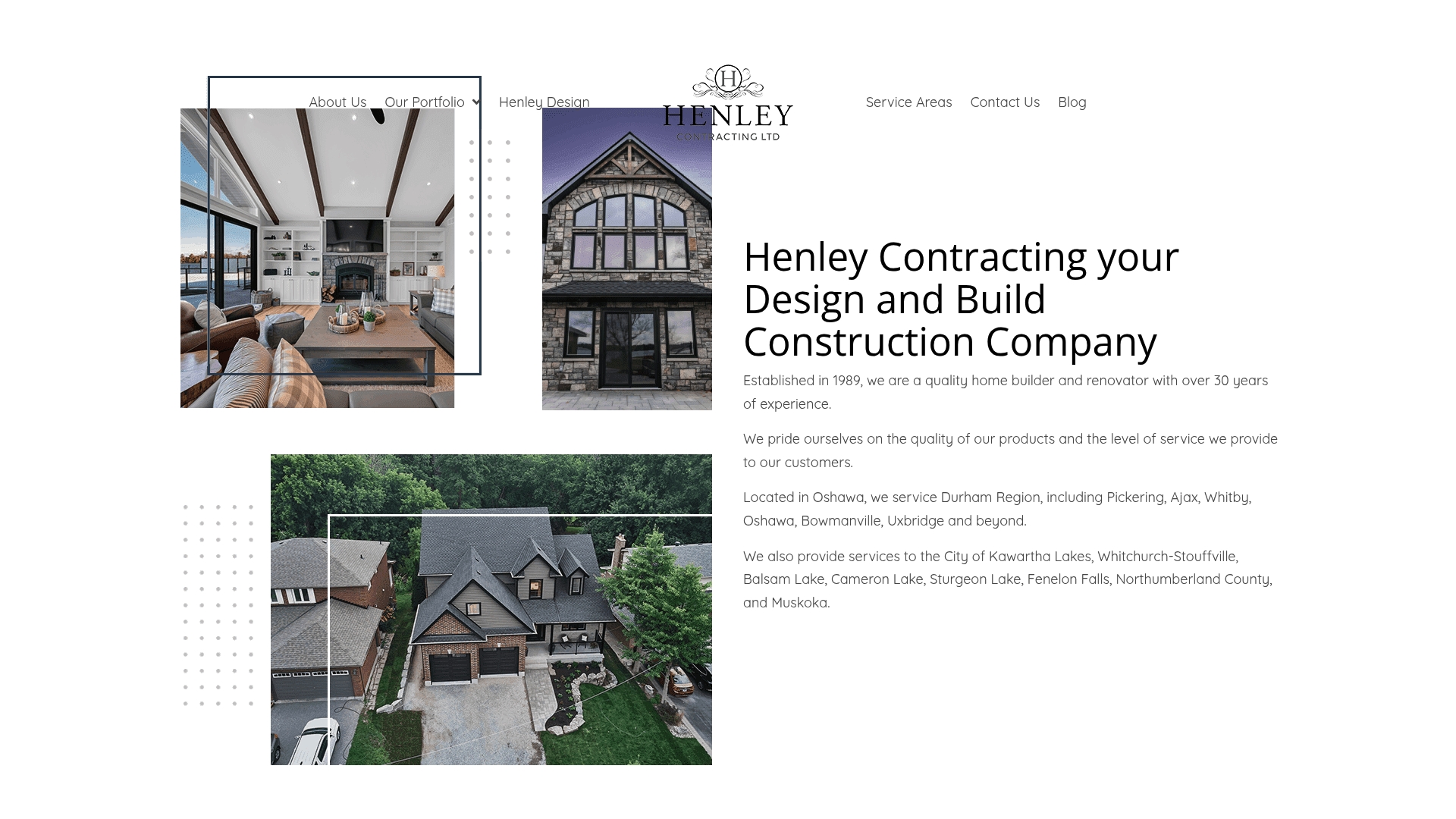
Ready to transform your plans into reality with a reputable builder who knows Durham’s unique requirements? Visit Henley Contracting today and take the first step towards your ideal home with confidence and peace of mind.
Frequently Asked Questions
How do I define clear project goals for my home construction?
To define clear project goals, identify specific improvements you want to make, such as increasing square footage or upgrading systems. Write down these objectives to guide your planning and prevent misunderstandings.
What should I include in my home renovation budget breakdown?
Include material costs, labour expenses, permit fees, and design services in your budget breakdown. Aim to add a contingency fund of 10 to 20 percent to cover unexpected challenges that may arise during construction.
How can I evaluate the experience of a builder before hiring them?
Review a builder’s portfolio and request references from past clients to assess their experience. Look for completed projects that are similar to what you are planning, and verify their licensing status for added assurance.
What are the essential permits I need for my home construction project?
The essential permits you may need include those for structural modifications, electrical upgrades, and significant renovations. Always check specific local bylaws to ensure compliance with regional construction requirements.
How can I ensure effective communication with my builder throughout the project?
Establish clear communication protocols by designating a primary point of contact and scheduling regular project updates. Document all discussions and decisions to maintain transparency and streamline information exchange.
What should I focus on during site inspections of my construction project?
During site inspections, focus on structural integrity, material quality, and safety compliance. Conduct regular walkthroughs and document findings to ensure the project aligns with your initial goals and requirements.


