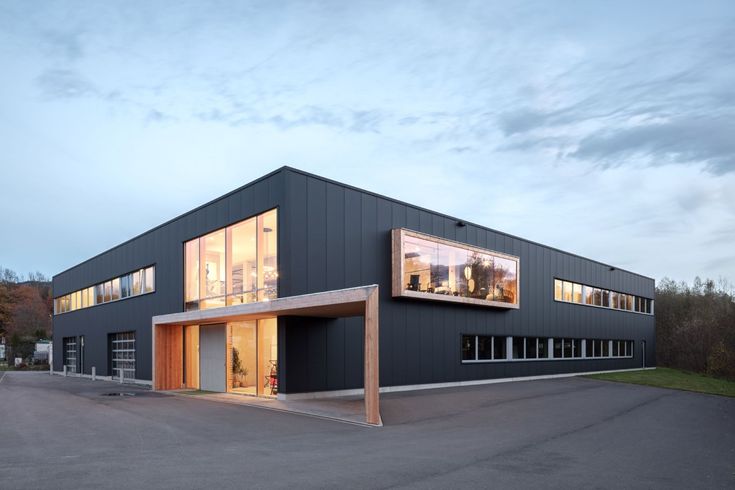


Protecting Equipment and Operational Assets
Equipment, inventory, tools, and operational materials often require protection from weather exposure, moisture, temperature changes, and long-term wear. Storage and support buildings provide enclosed environments that help extend the lifespan and reliability of important operational assets. Durable structural systems, weather-resistant materials, roofing systems, ventilation planning, and proper building insulation all contribute to creating spaces that support better protection and long-term storage performance. Keeping equipment and operational resources protected also helps reduce maintenance costs, prevent unnecessary damage, and improve overall operational reliability over time.
A dedicated storage or support building creates a more stable environment where important operational resources can be stored safely and accessed more efficiently when needed. Organized storage layouts also help reduce accidental damage caused by overcrowding, poor accessibility, or improper handling. When equipment and materials are stored in a controlled and well-planned environment, businesses are able to operate more smoothly while maintaining better long-term reliability across daily operations.
Keeping Equipment and Materials Protected Year-Round
Storage and support buildings can serve many different operational purposes depending on the property and industry requirements. Some buildings are designed primarily for equipment storage, while others support maintenance activities, operational staging, inventory management, utility functions, or overflow workspace needs. Flexible layouts allow spaces to adapt more easily to changing operational priorities over time. Open interiors, modular storage arrangements, and accessible floor plans help businesses organize the building around how it will actually be used. This adaptability helps ensure the structure remains practical and useful as operational demands evolve.
Cost-Effective Construction With Faster Timelines
Prefab construction methods help reduce many of the costs and delays associated with traditional building projects. Major structural components are prepared in controlled manufacturing environments before arriving on-site for final assembly and installation. This streamlined process helps improve scheduling, reduce weather-related delays, and simplify project coordination throughout construction. Faster timelines allow businesses and property owners to begin using the building sooner while minimizing disruption during the project. Cost efficiency also allows businesses to create reliable storage and support space without overextending operational budgets.
Materials Chosen for Long-Term Durability
Storage and support buildings often experience regular use, equipment movement, weather exposure, and changing operational demands, making durability an important part of the construction process. Strong framing systems, durable wall panels, reinforced flooring, weather-resistant exterior finishes, and reliable roofing systems all contribute to long-term building performance. Materials are selected carefully to help reduce maintenance concerns while supporting dependable year-round use. A durable structure helps property owners maintain more reliable operational support space while avoiding unnecessary repair and replacement costs over time.
Supporting Agricultural, Commercial, and Industrial Operations
Prefab storage buildings can support a wide variety of industries and operational environments. Agricultural properties may require equipment housing and seasonal storage, while commercial and industrial operations often need organized support buildings for inventory, maintenance equipment, service tools, or operational overflow. Layouts can be customized based on the type of equipment, workflow, storage capacity, and accessibility requirements needed for the property. This flexibility allows buildings to remain useful across many different operational settings. Practical support spaces also help businesses maintain cleaner, safer, and more organized working environments overall.
Simplifying Operations Through Better Space Planning
A well-planned support building can improve operational efficiency by reducing clutter and creating dedicated areas for tools, inventory, equipment, and maintenance functions. Organized layouts help employees and operational teams move more efficiently throughout the space while improving accessibility to important resources. Better space planning also helps reduce unnecessary strain on primary work areas by relocating storage and support functions into dedicated buildings. This separation can improve workflow and create more organized operational environments throughout the property. As a result, businesses are often able to manage daily operations more efficiently while maintaining cleaner and safer workspaces overall.
Coordinated Construction From Planning to Installation
Storage and support building projects require organized planning to ensure proper site preparation, delivery coordination, structural installation, and long-term functionality. Clear communication throughout the process helps keep projects moving efficiently while reducing delays and construction complications. Careful coordination also helps ensure the building fits properly within the property layout while supporting operational accessibility, traffic flow, and future usability needs. A structured construction process creates smoother project execution while helping deliver stronger overall results.
Storage and Support Buildings Built for Long-Term Reliability
A well-designed storage or support building should continue supporting daily operations reliably for many years. Strong construction systems, organized layouts, durable materials, and practical functionality all contribute to creating spaces that remain dependable under regular use. Whether used for equipment housing, maintenance support, inventory storage, agricultural operations, or commercial utility functions, prefab storage buildings provide cost-effective solutions that improve organization and operational efficiency. The goal of storage and support building construction is to create durable, functional, and professionally built spaces that protect valuable assets while supporting smoother long-term operations.