Bathroom Upgrades Focused on Safety and Comfort
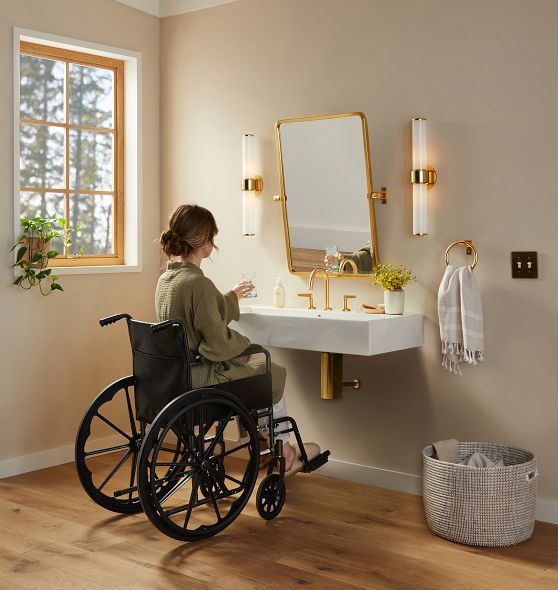
Bathrooms are one of the most important areas to address during accessibility renovations. Slippery surfaces, limited space, and difficult layouts can make the room harder to use safely over time. Renovating the bathroom helps create a safer and more comfortable environment while improving everyday convenience. Walk-in showers, barrier-free entries, supportive fixtures, improved lighting, and accessible storage can all help make the space easier to navigate and use comfortably. Layout improvements also help create more room for movement without making the bathroom feel crowded or restrictive.
Comfort remains an important part of the design process. Modern accessibility bathrooms are planned to feel clean, welcoming, and visually balanced while still providing the support needed for long-term use. Safety features are carefully integrated into the layout so the space feels natural and easy to use rather than overly clinical or restrictive. Proper spacing, accessible fixtures, improved lighting, and barrier-free designs all work together to create a bathroom that supports both comfort and independence.
Bathroom Spaces Designed for Long-Term Comfort and Support
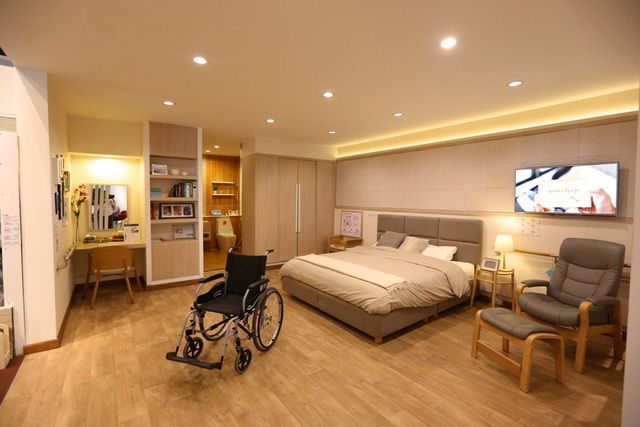
Accessibility renovations focus on creating a home that feels safer, more comfortable, and easier to navigate every day. As mobility needs change over time, thoughtful upgrades can help improve independence while maintaining the warmth and functionality of the living space. Renovations are planned carefully to reduce physical strain, improve movement throughout the home, and make everyday tasks feel more manageable. Kitchens, bathrooms, hallways, entrances, and living areas can all be adjusted to improve accessibility without sacrificing comfort or appearance. Better layouts, improved spacing, and supportive design features help create a home that feels practical, welcoming, and built for long term living.
Improving Kitchen Accessibility and Everyday Function
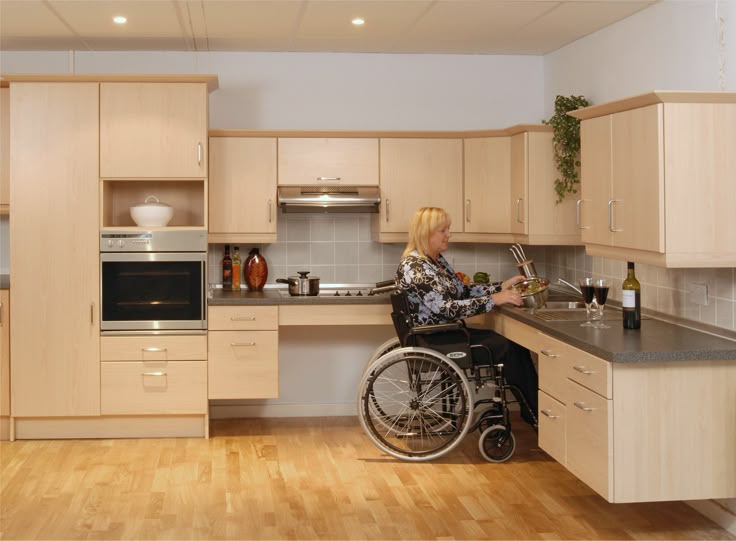
The kitchen plays an important role in daily routines, which makes accessibility improvements especially valuable in this space. Renovations focus on creating a layout that feels easier to move through while improving comfort during cooking, cleaning, and organization. Counter heights, appliance placement, storage access, lighting, and workspace organization can all be adjusted to support better usability and convenience. Thoughtful layouts help reduce unnecessary movement and make everyday tasks feel simpler and safer. The goal is to create a kitchen that remains functional and accessible while still feeling warm, modern, and enjoyable to use every day.
Better Lighting, Flooring, and Visibility
Lighting and flooring have a major impact on both safety and comfort throughout the home. Poor visibility and unstable flooring can increase the risk of accidents while making movement more difficult during everyday activities. Accessibility renovations often include brighter lighting layouts, improved visibility in key areas, and flooring materials designed to provide better traction and stability. Hallways, staircases, entryways, and bathrooms are all carefully considered to improve overall safety without affecting the appearance of the home. These upgrades help create a more secure environment while also improving the comfort and usability of each space.
Accessibility Features That Feel Natural
Modern accessibility renovations are designed to blend naturally into the home rather than feeling overly medical or institutional. Safety and mobility features can be integrated carefully so the space continues to feel stylish, comfortable, and welcoming. Grab bars, railings, wider walkways, seating areas, and supportive fixtures are selected and installed in ways that complement the overall design of the home. The focus remains on balancing practical support with a clean and refined appearance. A well planned renovation helps ensure the home still feels personal and inviting while providing the additional comfort and accessibility needed for everyday living.
Planning Ahead for Long Term Comfort
Accessibility renovations are not only designed for current needs but also to support future comfort and independence. Thoughtful planning can help homeowners remain comfortable in their home for many years while reducing the need for larger renovations later. Flexible layouts and carefully planned improvements allow the home to adapt more easily as mobility or lifestyle needs change over time. Even smaller adjustments can create major long term benefits for safety, comfort, and daily convenience. Planning ahead also provides peace of mind by creating a living environment that feels prepared, functional, and supportive for the future.
Keeping the Renovation Process Organized
Accessibility renovations involve many important details, which is why clear communication and organized planning are essential throughout the project. A structured renovation process helps reduce confusion while ensuring every stage of the work is completed properly and efficiently. Homeowners are kept informed throughout the project so they always understand timelines, layout adjustments, material selections, and installation progress. Careful coordination helps keep the renovation moving smoothly while minimizing unnecessary stress during construction. Good communication and attention to detail help create a final result that supports both practical needs and long term comfort.
A Home Designed for Safety and Independence
A well designed accessibility renovation helps create a home that feels safer, easier to use, and more comfortable every day. The space should support independence while improving confidence and overall quality of life. When layouts, materials, lighting, and accessibility features are planned carefully, the result is a home that feels balanced, welcoming, and functional for long term living. Every improvement is made with comfort, safety, and usability in mind. The goal of accessibility and aging-in-place renovations is to create a home that continues to support your lifestyle naturally while helping you remain comfortable and independent for years to come.