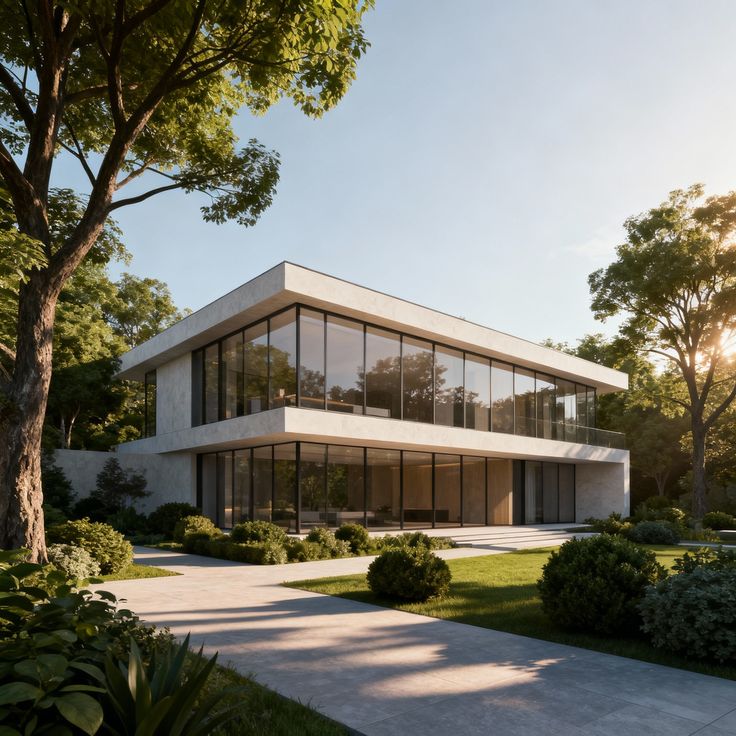
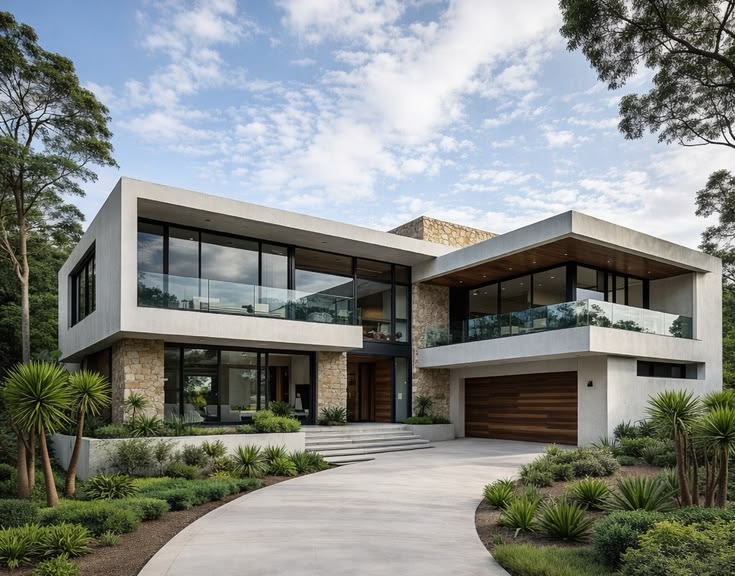
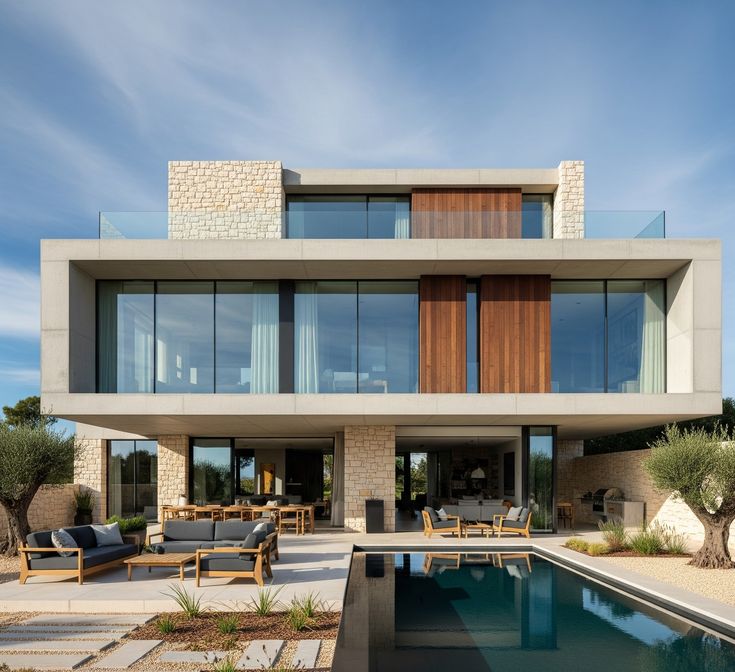
Organizing Exterior Features Around Clear Visual Structure
Exterior spaces feel more comfortable when the layout follows a clear and organized visual structure. Landscaping, hardscaping, lighting, outdoor furniture, pathways, and architectural elements should all feel connected rather than randomly positioned throughout the property. Spatial clarity planning helps create stronger visual flow between different outdoor areas while improving the overall sense of order throughout the site. Clear organization also helps exterior spaces feel larger and more intentional in their design. Well-structured layouts contribute to stronger visual balance and long-term outdoor usability. Clear spatial organization also helps outdoor environments feel less crowded and more visually open. Balanced spacing between different site elements improves visibility, circulation, and accessibility while allowing each area of the property to serve its purpose more effectively. This creates outdoor spaces that feel calmer, cleaner, and more welcoming for both everyday use and long-term enjoyment.
Strong layout planning also improves how the property adapts over time. Organized exterior spaces can accommodate future landscaping changes, additional outdoor features, or evolving operational needs more easily without disrupting the overall flow of the site. As a result, the property remains functional, visually balanced, and easier to maintain throughout years of continued use.
Structuring Outdoor Spaces for Better Long-Term Functionality
Accessible outdoor environments depend heavily on clear organization and logical circulation throughout the property. Walkways, entry points, gathering spaces, parking access, and outdoor transitions all need to support smooth and comfortable movement. Careful spatial planning helps reduce tight circulation areas, difficult navigation, and unnecessary barriers that may affect long-term accessibility. Proper spacing and organized layouts also improve safety and overall ease of movement for a wider range of users. Better accessibility contributes to more inclusive and user-friendly outdoor environments.
Supporting Better Connections Between Outdoor Zones
Exterior spaces often include many different functional areas that need to work together naturally throughout the property. Seating zones, pathways, landscaping, service areas, gathering spaces, and entrances should all connect smoothly without feeling visually disconnected. Spatial clarity helps strengthen these relationships by improving transitions and organization between different outdoor functions. A more connected layout creates exterior environments that feel unified and easier to experience overall. Stronger outdoor connections also improve how frequently exterior spaces are used throughout everyday life.
Designing Outdoor Spaces That Feel More Open and Comfortable
Crowded or poorly organized exterior layouts can make properties feel visually heavy and uncomfortable to navigate. Spatial clarity planning helps create cleaner layouts with balanced spacing, open sightlines, and more comfortable outdoor circulation. Open environments improve visibility, movement, relaxation, and overall comfort throughout the property while still supporting functional daily use. Better spacing also allows landscaping, architectural features, and gathering areas to stand out more naturally within the environment. A more open exterior layout contributes to calmer and more welcoming outdoor spaces.
Creating Flexible Layouts for Long-Term Adaptability
Outdoor environments often evolve over time as property needs, landscaping, or operational requirements change. Organized spatial planning helps properties remain adaptable without creating overcrowding or major circulation conflicts later. Flexible layouts allow future additions, landscaping updates, gathering areas, or operational adjustments to integrate more smoothly into the overall site organization. Planning for adaptability also helps improve long-term property performance and usability. Adaptable outdoor layouts remain more practical and visually balanced over time.
Supporting Long-Term Maintenance Through Organized Design
Well-organized exterior spaces are often easier to maintain throughout years of use. Clear circulation routes, balanced landscaping, durable materials, and organized outdoor features all contribute to better long-term property management. Thoughtful spacing also improves access for maintenance, landscaping, cleaning, seasonal upkeep, and operational servicing across the property. Better organization helps reduce unnecessary wear while keeping outdoor environments cleaner and more manageable overall. Efficient spatial planning supports stronger long-term site performance and usability.
Spatial Clarity That Improves Everyday Outdoor Experience
Spatial clarity improves far more than appearance alone. It shapes how people move through the property, how outdoor spaces connect together, and how comfortable the overall environment feels during everyday use. Whether supporting residential properties, commercial developments, landscape-focused projects, or mixed-use environments, thoughtful spatial planning helps create exterior spaces that feel organized, accessible, visually balanced, and easy to navigate. The goal of spatial clarity is to create open and well-structured outdoor environments that support efficient movement, long-term functionality, visual comfort, and stronger overall property experience.