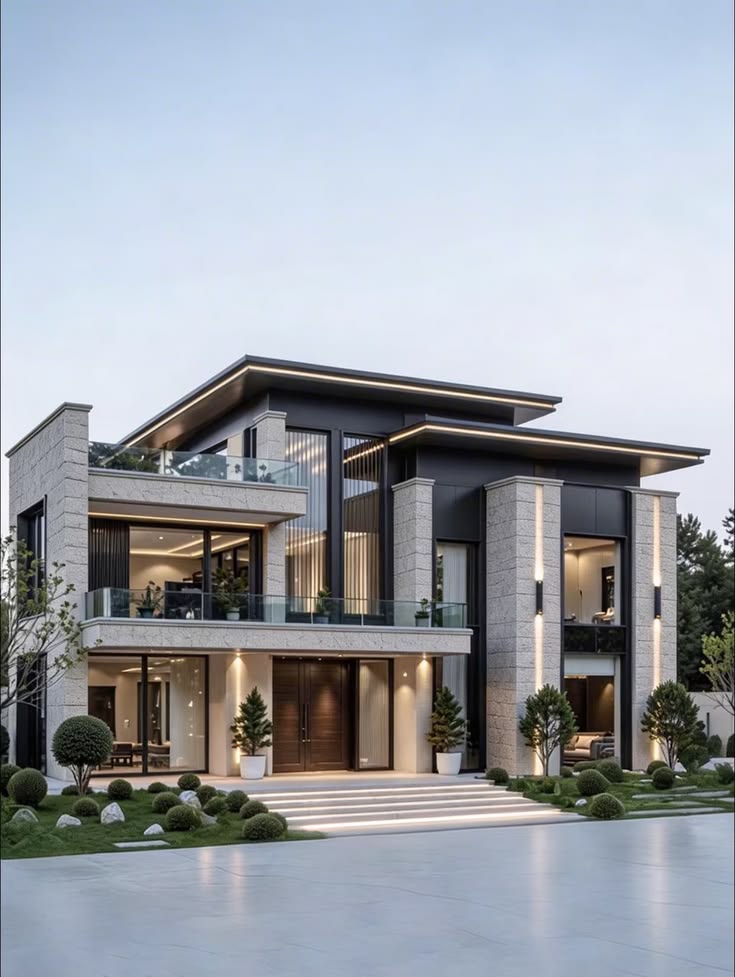
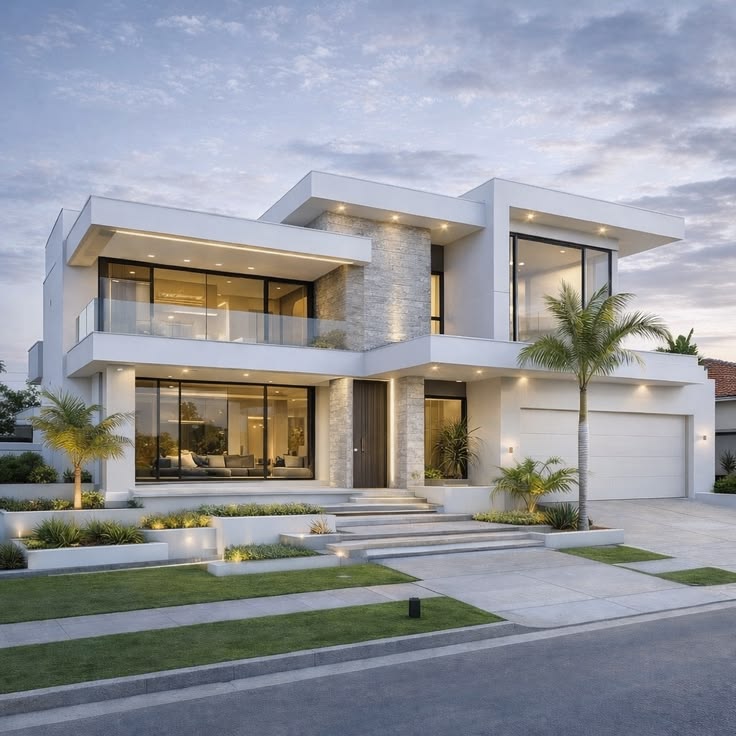
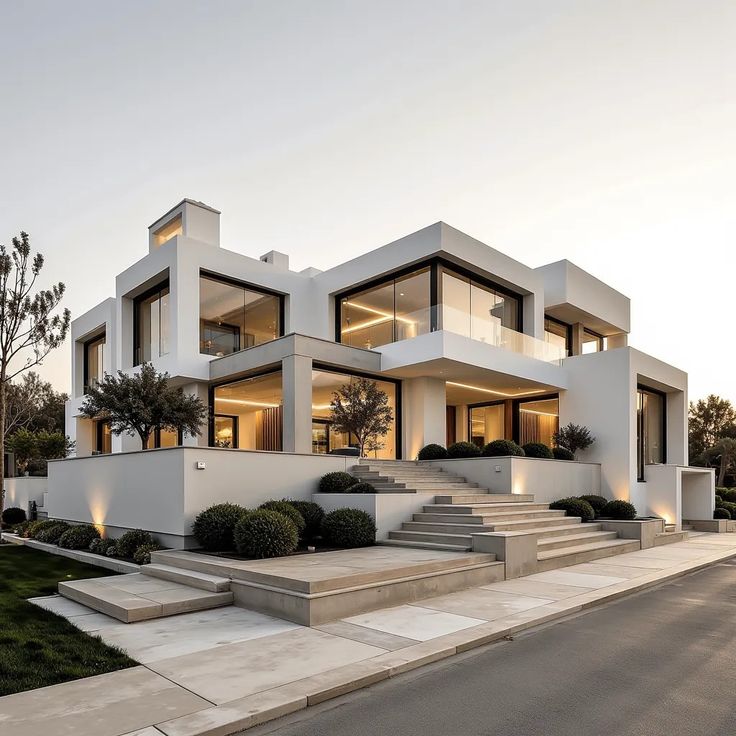
Balancing Visual Design With Real Structural Performance
A visually attractive building still needs to perform reliably under everyday operational and environmental demands. Structural systems must safely support loads, movement, weather exposure, occupancy requirements, and long-term wear without compromising the overall design vision. Built balance focuses on creating structures where architectural features and structural performance complement one another naturally. Beams, columns, foundations, roof systems, and material selections are all coordinated carefully to maintain both visual consistency and technical reliability. This balance helps create buildings that feel refined while remaining highly dependable over time.
A balanced design approach also improves how the building performs throughout years of daily use and changing environmental conditions. Durable structural systems, efficient layouts, and coordinated materials help reduce long-term maintenance concerns while supporting adaptability and overall building lifespan. Over time, buildings designed with both aesthetics and structural performance in mind often remain more functional, resilient, and visually relevant as needs continue to evolve.
Building Environments That Balance Strength With Modern Design
Material selection plays an important role in balancing aesthetics with structural performance. Exterior finishes, structural framing, interior materials, and architectural details all contribute to both the visual identity and long-term durability of the project. Materials are chosen carefully based on strength, environmental performance, maintenance requirements, and overall design compatibility. Durable and well-coordinated materials help improve building lifespan while maintaining a clean and cohesive architectural appearance. Balanced material planning also supports stronger long-term property value and reduced maintenance concerns.
Creating Spaces That Feel Open, Stable, and Comfortable
Structural systems influence how interior and exterior spaces are experienced throughout the property. Proper engineering coordination allows spaces to feel open, balanced, and functional while maintaining the support and stability required for long-term safety. Large openings, open-concept layouts, extended spans, natural light integration, and outdoor connections all require careful structural planning to ensure the building remains both visually comfortable and technically reliable. A balanced approach helps create environments that feel spacious and welcoming without sacrificing structural integrity.
Supporting Long-Term Building Reliability
Strong design should continue performing well long after construction is completed. Structural stability, material durability, weather resistance, and building efficiency all contribute to how the property functions over time. Built balance focuses on creating buildings that remain resilient under changing environmental conditions, daily operational use, and long-term structural demands. Thoughtful planning also helps reduce future maintenance concerns and supports easier long-term property management. Reliable performance strengthens both occupant comfort and overall building longevity.
Improving Construction Efficiency Through Better Coordination
Projects that integrate architectural and structural planning early often experience smoother construction processes and better overall project organization. Clear coordination between design intent and structural requirements helps reduce delays, revisions, and construction conflicts later in the process. Detailed planning also allows contractors and project teams to work more efficiently throughout installation and construction phases. Better coordination improves project predictability while supporting stronger final construction quality. Organized collaboration contributes to more successful long-term project outcomes overall.
Designing Buildings That Adapt More Easily Over Time
Well-balanced buildings are often more adaptable to future changes in use, occupancy, or operational needs. Flexible structural layouts and organized architectural planning help properties respond more easily to future renovations, additions, or interior modifications. Planning for adaptability from the beginning helps extend the long-term usability of the structure while improving overall property value and functional lifespan. Adaptable buildings remain more efficient and practical as needs evolve over time.
Built Balance That Supports Lasting Architectural Quality
A successful building should feel visually refined while remaining structurally dependable and highly functional throughout years of use. Strong architecture and reliable engineering are most effective when they support one another through coordinated planning and thoughtful design decisions. Whether supporting residential homes, commercial buildings, mixed-use developments, or specialized projects, built balance helps create structures that combine beauty, performance, durability, and long-term usability. The goal of built balance is to create buildings where architectural aesthetics and structural performance work together seamlessly to support comfort, efficiency, reliability, and lasting design quality.