

Design-Build Approach – Why Ontario Homeowners Benefit
Key Takeaways
| Point | Details |
|---|---|
| Design-Build Efficiency | The design-build approach simplifies project delivery by integrating design and construction under one contract, reducing potential communication gaps. |
| Procurement Models | Homeowners can choose between best-value and progressive design-build models, each offering distinct advantages in project management strategies. |
| Enhanced Accountability | This model consolidates responsibility in one entity, leading to improved accountability and streamlined decision-making throughout the project timeline. |
| Comparison with Traditional Methods | The design-build approach generally results in faster completion times and better budget predictability compared to traditional design-bid-build models. |
Defining the Design-Build Approach in Canada
The design-build approach represents a collaborative project delivery method transforming home construction and renovation practices across Ontario. Unlike traditional construction models, this integrated strategy combines architectural design and construction services under a single contractual agreement, allowing for more streamlined and efficient project management.
In the Canadian context, the design-build method provides homeowners with a comprehensive solution that reduces complexity and minimizes potential communication gaps. The Canadian Construction Documents Committee has developed standardized contracts that define clear responsibilities, ensuring that one entity manages both design conception and physical construction from project initiation to completion.
Key characteristics of the design-build approach include enhanced collaboration, faster project timelines, and more precise budget control. Homeowners benefit from a single point of accountability, which means reduced administrative burden and smoother project execution. Instead of coordinating multiple independent contractors, clients work directly with a unified team responsible for translating design vision into tangible residential spaces.
Pro tip: When considering a design-build project, request comprehensive portfolios and verify the contractor’s experience in managing full-scope residential construction within your specific regional context.
Distinct Models: Best-Value Versus Progressive
The design-build landscape in Ontario features two primary procurement models that offer homeowners distinct approaches to project management: best-value and progressive design-build. These methodologies represent unique strategies for selecting and engaging construction professionals, each with specific advantages and considerations for residential projects.
Progressive design-build models emphasize collaborative development where owners work closely with design-builders through an iterative process. Unlike traditional procurement methods, this approach allows for greater flexibility in project scope and design refinement. The key difference lies in selection criteria: while best-value models prioritize upfront pricing and fixed deliverables, progressive models focus on qualifications, expertise, and the potential for ongoing strategic partnership.
In the best-value approach, contractors are typically evaluated and selected through a two-phase process that weighs technical proposals, schedule feasibility, and competitive pricing. Conversely, progressive design-build prioritizes collaborative potential, with pricing and project details evolving dynamically throughout the initial stages. This method provides Ontario homeowners with more adaptability, allowing design modifications and scope adjustments before finalizing contractual commitments.
Pro tip: When comparing design-build models, request detailed case studies from potential contractors demonstrating their experience in managing both best-value and progressive approaches to understand which method best suits your specific residential project requirements.
How Design-Build Streamlines Renovation Projects
The design-build approach transforms residential renovation projects by fundamentally reimagining how construction teams collaborate and execute complex home improvement initiatives. Traditional renovation methods often involve fragmented communication between separate design and construction teams, creating potential delays, misunderstandings, and increased project costs.
Renovation processes become significantly more efficient when designers and builders work as an integrated team, eliminating the sequential bottlenecks typical in conventional project management. By merging design and construction responsibilities under a single contractual framework, homeowners benefit from streamlined decision-making, reduced administrative complexity, and more responsive problem-solving throughout the project lifecycle.
Key advantages of this integrated approach include accelerated project timelines, enhanced budget control, and more transparent communication channels. The design-build model allows for real-time adjustments and collaborative problem-solving, meaning unexpected challenges can be addressed quickly and efficiently. Contractors can immediately translate design concepts into practical construction strategies, reducing the likelihood of miscommunication and potential rework that often plague traditional renovation methods.
Pro tip: When initiating a design-build renovation, request a comprehensive communication plan that outlines specific touchpoints, decision-making protocols, and mechanisms for addressing potential project variations to ensure smooth execution.
Accountability, Cost, and Schedule Advantages
The design-build model represents a strategic approach that fundamentally transforms project management by consolidating accountability and financial control under a single responsible entity. Traditional construction methods often involve complex, fragmented responsibilities that can lead to increased project risks and potential budget overruns.
Integrated project delivery dramatically improves accountability by establishing a unified contractual framework, where one team assumes comprehensive responsibility for both design and construction phases. This approach eliminates the typical finger-pointing and communication gaps that plague conventional renovation projects, creating a more transparent and efficient workflow that directly benefits homeowners seeking predictable outcomes.
Key advantages of this approach include accelerated project scheduling, precise cost management, and reduced administrative complexity. By enabling early collaboration and value engineering, design-build teams can identify potential challenges before they become costly problems. The consolidated team approach allows for real-time problem-solving, innovative cost-reduction strategies, and more agile response to unexpected project variables, ultimately delivering higher-quality results with greater financial predictability.
Below is a summary highlighting key advantages homeowners gain from the design-build approach in Ontario:
| Benefit | Description | Homeowner Impact |
|---|---|---|
| Enhanced control | One point of contact manages all phases | Reduces stress and confusion |
| Faster decisions | Collaborative, real-time problem solving | Quick adaptations to changes |
| Budget precision | Coordinated costing and value engineering | Fewer unexpected expenses |
| Streamlined process | Administrative burden is minimized | Smoother renovation experience |
Pro tip: Request a detailed risk management and contingency plan from your design-build team, ensuring they outline specific mechanisms for addressing potential budget variations and project timeline adjustments.
Comparing Design-Build to Traditional Models
The construction industry has long relied on traditional project delivery methods like design-bid-build, where architectural design and construction remain separate processes with distinct contracts and timelines. This fragmented approach often creates significant challenges for homeowners seeking efficient, cohesive renovation experiences.
Modern construction approaches reveal stark differences between traditional and design-build project management strategies, fundamentally transforming how residential projects are conceived and executed. In the traditional model, homeowners must manage multiple contracts, coordinate between separate design and construction teams, and navigate complex communication channels that can lead to delays, misunderstandings, and unexpected cost overruns.
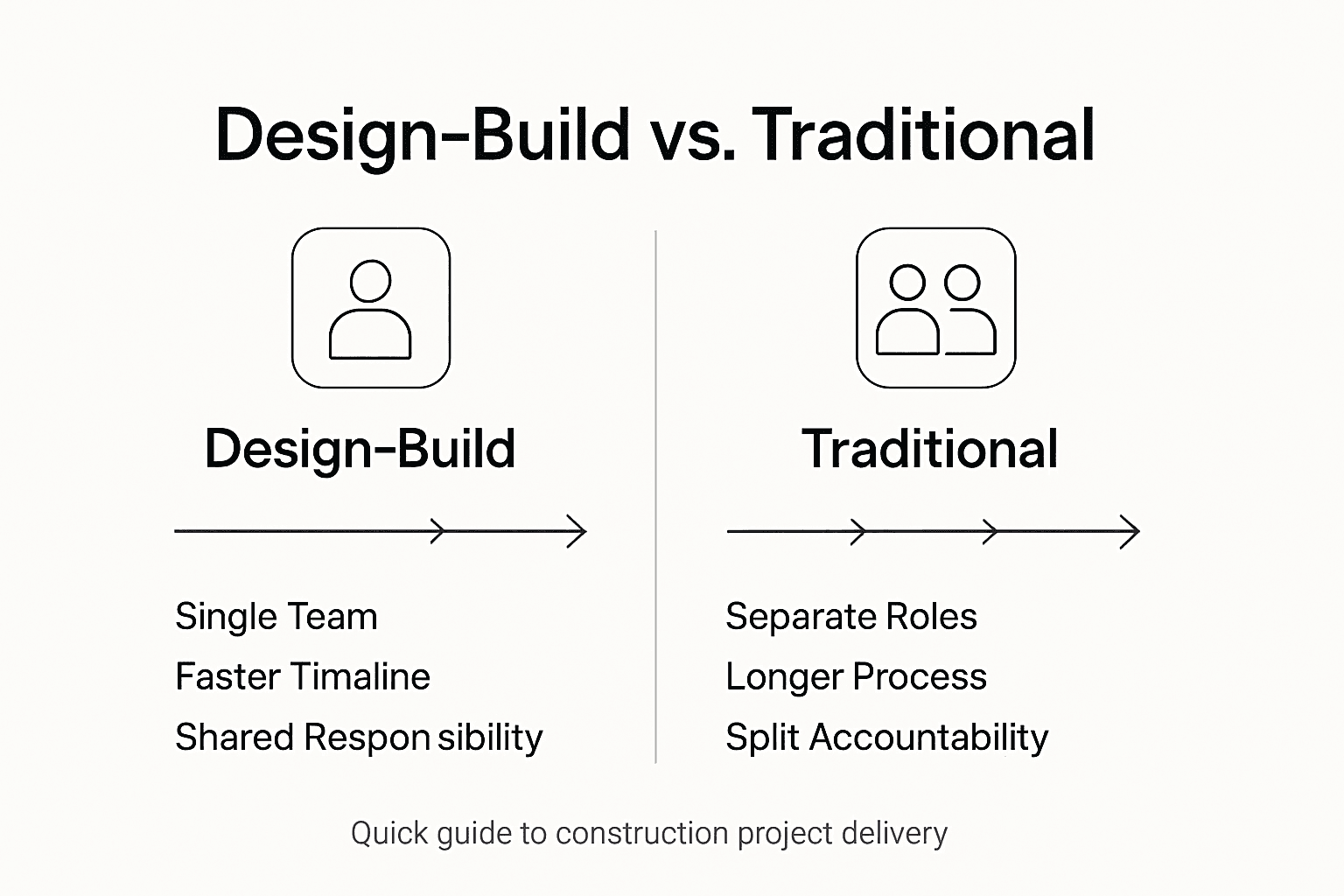
Design-build methodology represents a comprehensive solution that eliminates the inefficiencies inherent in sequential project delivery. By consolidating design and construction responsibilities under a single contract, this approach creates a unified team focused on delivering integrated solutions. Homeowners benefit from streamlined communication, reduced administrative burden, and a more collaborative environment where design constraints and construction feasibility are considered simultaneously. The result is typically faster project completion, more accurate budget management, and a significantly smoother renovation experience.
Here’s a concise comparison of the traditional construction model versus the design-build approach for residential projects in Ontario:
| Aspect | Design-Build Approach | Traditional Method (Design-Bid-Build) |
|---|---|---|
| Contract Structure | Single unified contract | Separate design and build contracts |
| Communication Flow | Direct and streamlined | Fragmented and multi-layered |
| Project Timeline | Typically faster completion | More common delays |
| Budget Management | Higher cost predictability | Greater risk of overruns |
| Accountability | One team responsible | Multiple parties blamed if issues |
Pro tip: When comparing construction approaches, request detailed project timelines and communication protocols from potential contractors to understand how their specific methodology will impact your home renovation experience.
Discover the Design-Build Advantage with Henley Contracting
Are you seeking a smoother, more efficient home construction or renovation experience in Ontario The design-build approach discussed in the article highlights common challenges such as fragmented communication, project delays, and cost overruns. At Henley Contracting, we understand these pain points. Our integrated custom build and renovations services provide a single point of accountability that aligns design vision with expert craftsmanship from start to finish. This approach saves you time reduces stress and ensures precise budget management.
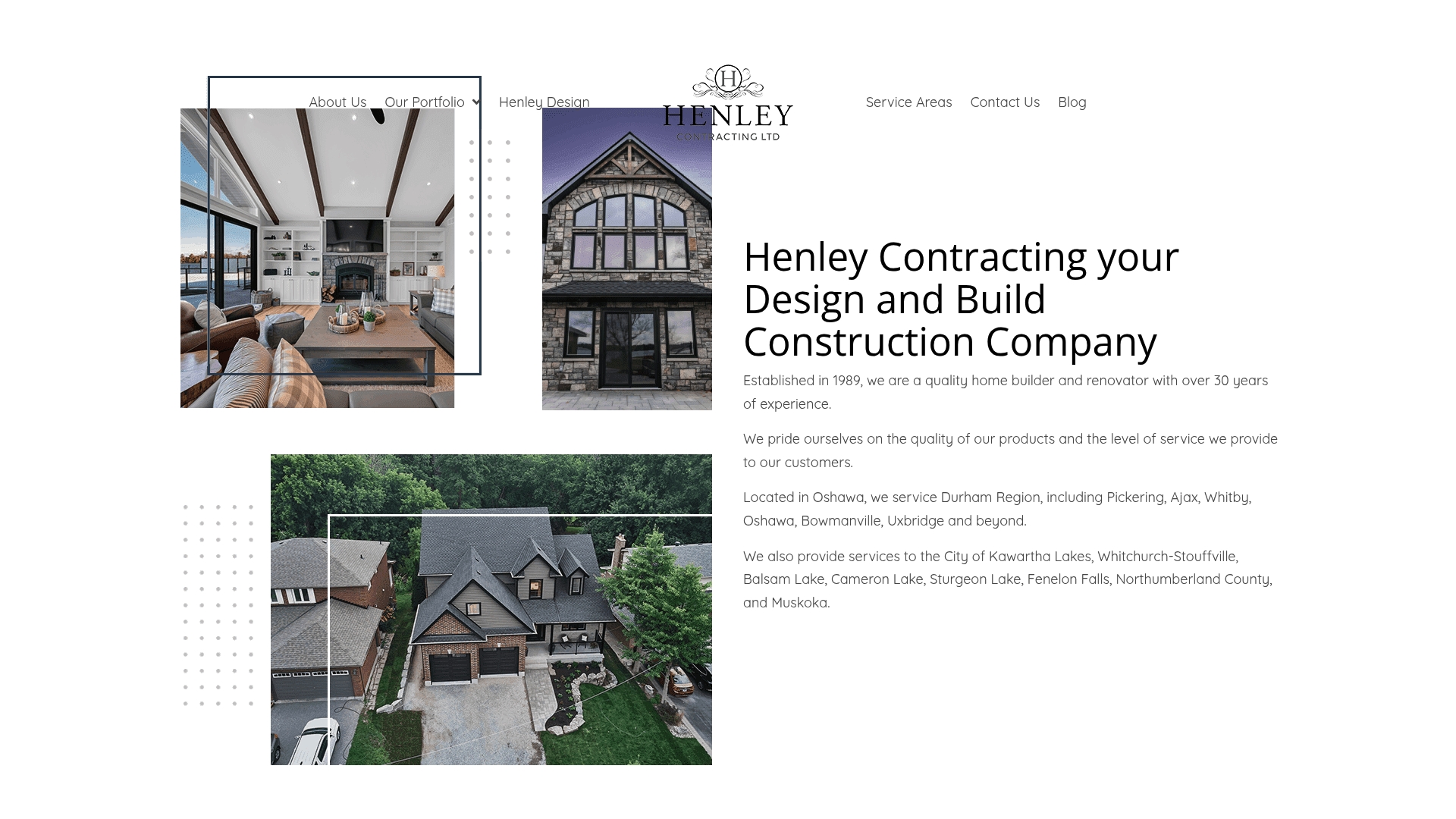
Take control of your next home project by partnering with a trusted local contractor with over 30 years of experience across Durham and Kawartha Lakes regions Visit Henley Contracting today to explore how our design-build model delivers faster decisions better communication and predictable results. Start your seamless building journey now by contacting us for a free consultation.
Frequently Asked Questions
What is the design-build approach in home construction?
The design-build approach is a collaborative project delivery method that combines architectural design and construction services under a single contractual agreement, streamlining project management and enhancing efficiency.
How does the design-build model differ from traditional construction methods?
Unlike traditional methods that separate design and construction into distinct contracts, the design-build model consolidates these processes, creating a unified team that improves communication and reduces potential delays.
What are the key benefits of using design-build for renovations?
Key benefits include enhanced collaboration, faster project timelines, more precise budget control, and reduced administrative complexity, allowing for a smoother renovation experience for homeowners.
How can homeowners choose between best-value and progressive design-build models?
Homeowners should consider their project needs: best-value emphasizes upfront pricing and fixed deliverables, while progressive design-build focuses on qualifications, expertise, and ongoing strategic partnership through a flexible, collaborative process.


