

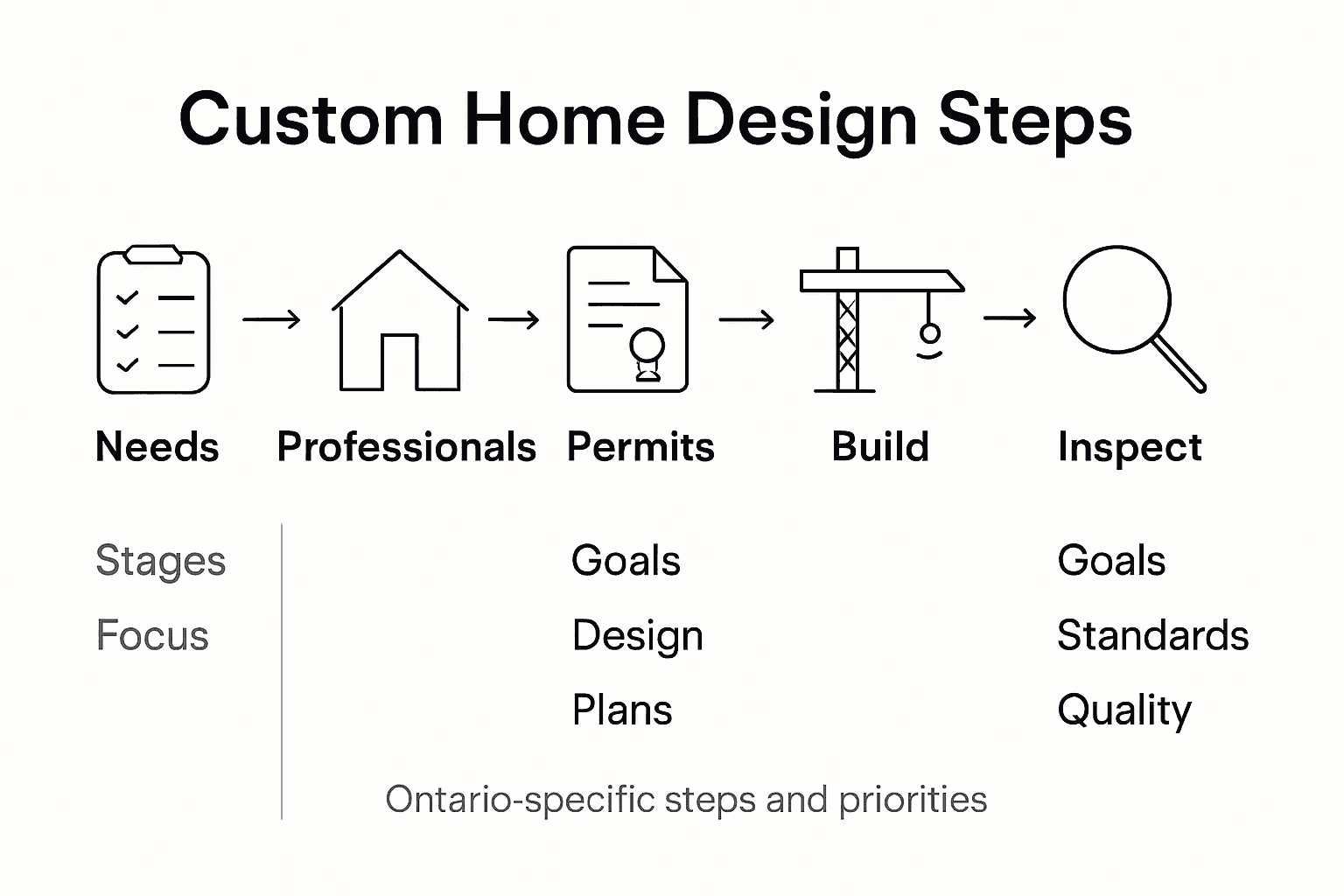
Custom Home Design Steps for Quality Builds in Ontario
Over 80 percent of Canadian homeowners believe that local expertise is the key to building their dream home without costly mistakes. When planning a custom home in Durham Region, your choices shape not only the quality of construction but also how well your space fits your family’s evolving lifestyle. This guide breaks down each step, helping you pinpoint your needs, collaborate with trusted professionals, and ensure your investment delivers the comfort and craftsmanship you deserve.
Quick Summary
| Key Point | Explanation |
|---|---|
| 1. Conduct a Comprehensive Needs Assessment | Assess your family’s dynamics, future growth, and specific needs to create tailored home designs that fit your lifestyle. |
| 2. Engage Local Professionals for Design | Collaborate with skilled architects and builders familiar with Ontario’s building codes to ensure your project meets regional standards. |
| 3. Gather Required Permits and Documentation | Secure necessary permits and ensure all documents comply with local zoning, building codes, and safety regulations before construction starts. |
| 4. Maintain Strong Coordination During Construction | Establish clear communication and coordination among all professionals to stay aligned with design specifications and project timelines. |
| 5. Conduct Thorough Final Inspections | Schedule detailed inspections to verify quality and adherence to design, addressing any discrepancies before finalizing the project. |
Step 1: Assess Needs and Establish Project Goals
Designing a custom home requires thoughtful planning and strategic goal setting. This initial stage helps you transform your vision into a realistic blueprint that meets your unique lifestyle requirements and budget constraints in Ontario.
Begin by conducting a comprehensive personal needs assessment that goes beyond basic square footage. Consider your family dynamics, work patterns, future growth potential, and how each living space will function. The Housing Design Catalogue recommends evaluating elements like accessibility, energy efficiency, and regional building code compliance. Create a detailed inventory of your must have features versus nice to have amenities. Prioritize functional spaces that enhance daily living practical storage solutions, adaptive room designs, and areas that can evolve with your changing life stages.
Engaging local professionals who understand regional building nuances can significantly streamline your project goals. Ontario United Ways research suggests collaborative planning among homeowners, builders, and community experts ensures more tailored and sustainable home designs. Schedule initial consultations to discuss your vision, budget constraints, and potential design challenges specific to your property and local building regulations.
Pro tip: Create a visual mood board or digital portfolio showcasing design inspirations to help contractors precisely understand your aesthetic and functional preferences.
Step 2: Engage Professionals and Plan Design Features
Building a custom home in Ontario requires strategic collaboration with skilled professionals who can transform your vision into a functional reality. This step focuses on identifying and engaging the right experts to ensure your design meets both your personal requirements and strict regional building standards.
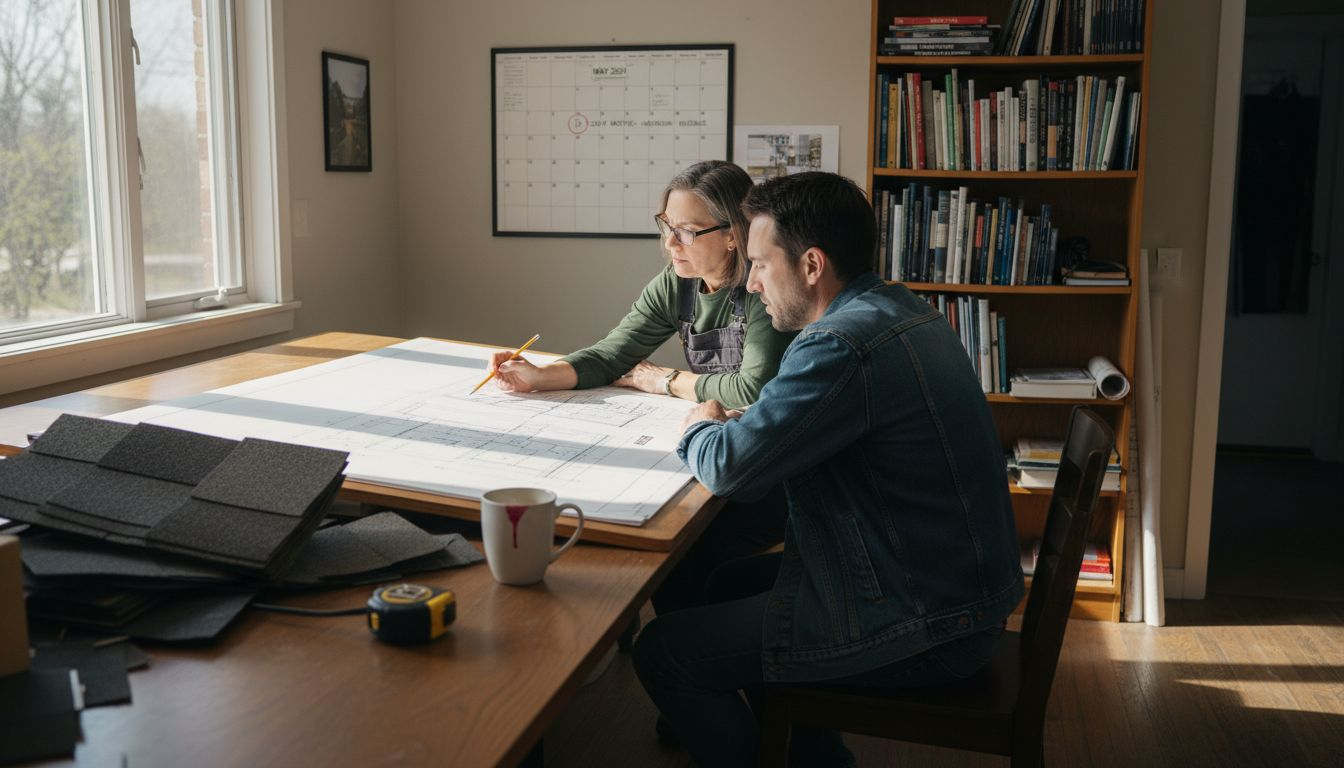
Begin by researching and selecting professionals with proven expertise in custom home design. Ontario Association of Architects guidelines recommend carefully evaluating architectural and engineering teams who understand local building codes and can provide comprehensive design coordination. Interview multiple professionals to assess their experience with projects similar to your vision. Request portfolios showcasing their previous custom home designs in Ontario, paying close attention to their ability to balance aesthetic preferences with functional requirements.
During initial consultations, articulate your specific design goals and lifestyle needs comprehensively. Discuss potential challenges related to your property site such as terrain, local zoning regulations, and environmental considerations. Create a collaborative environment where professionals can offer expert insights while respecting your core design vision. Be prepared to provide detailed information about your family dynamics, future growth plans, and specific functional requirements for each living space.
Pro tip: Request detailed written proposals from potential design professionals that outline their approach, estimated timelines, and comprehensive cost breakdowns to ensure transparent and aligned expectations.
Here’s a summary table outlining different professional roles involved in a custom home build in Ontario and their key contributions:
| Role | Main Responsibilities | Impact on Project |
|---|---|---|
| Architect | Designs overall structure and layout | Guides aesthetics and flow |
| Engineer | Develops structural and technical plans | Ensures safety and compliance |
| Builder/Contractor | Manages onsite construction | Delivers build quality |
| Coordinating Professional | Oversees team collaboration | Maintains project alignment |
| Home Inspector | Conducts final quality assessments | Verifies craftsmanship |
Step 3: Secure Permits and Confirm Compliance Standards
Navigating the permit and compliance landscape is a critical phase in your custom home build journey. This step ensures your project meets all legal and safety requirements while protecting your investment through proper regulatory approvals.
Ontario’s Building Code establishes mandatory standards that require comprehensive documentation and professional review before construction can begin. Start by gathering all necessary architectural and structural drawings, ensuring they meet municipal zoning regulations and provincial building requirements. Your submission must include detailed plans that demonstrate compliance with safety standards, energy efficiency guidelines, and accessibility provisions. Work closely with your design professionals to prepare precise technical drawings that showcase how your proposed home meets or exceeds all required benchmarks.
The permit application process involves multiple layers of review and potential additional approvals. Local permit requirements from professional design resources recommend preparing comprehensive documentation that includes professional engineering stamps, energy efficiency calculations, and site-specific environmental assessments. Schedule preliminary consultations with municipal building departments to understand specific local requirements and potential challenges unique to your property. Anticipate potential requests for additional information and be prepared to provide supplementary documentation that demonstrates your commitment to meeting all regulatory standards.
Pro tip: Maintain digital and physical copies of all permit documentation and create a dedicated project folder to track submissions, correspondence, and approvals throughout the entire permitting process.
For quick reference, here are common permits and compliance checks required when building a custom home in Ontario:
| Compliance Item | Why It Matters | Typical Documentation |
|---|---|---|
| Building Permit | Legal approval to begin building | Floor plans, site drawings |
| Zoning Clearance | Ensures land use compatibility | Municipal approval forms |
| Energy Efficiency Check | Adheres to sustainability standards | Efficiency calculations |
| Accessibility Review | Supports inclusive design | Accessibility plans |
Step 4: Coordinate Construction and Implement Design Plans
Transitioning from design to actual construction requires strategic coordination and meticulous attention to detail. This critical phase transforms your carefully crafted architectural plans into a tangible living space that reflects your vision and meets professional standards.
Professional Engineers Ontario recommends appointing a Coordinating Licensed Professional to manage the complex integration of various specialist teams during construction. This professional serves as a central point of communication ensuring all architectural elements architectural elements architectural elements are implemented precisely according to original design specifications. Begin by establishing clear communication protocols with your construction team. Schedule regular coordination meetings that include architects, engineers, contractors, and subcontractors to discuss progress, address potential challenges, and maintain alignment with the original design vision.
Effective construction coordination involves proactive planning and adaptable problem solving. The Construction and Design Alliance of Ontario emphasizes early collaboration and standardized risk management strategies. Develop a comprehensive project management timeline that includes milestone checks, quality control assessments, and contingency planning. Maintain detailed documentation of every phase of construction, tracking deviations from original plans and securing necessary approvals for any modifications. Stay actively engaged throughout the process while trusting your professional team to execute the technical implementation.
Pro tip: Create a shared digital project management platform where all stakeholders can access real time updates and documentation to streamline communication and reduce potential misunderstandings.
Step 5: Conduct Final Inspections and Verify Craftsmanship
The final stage of your custom home build is a critical quality assurance process that ensures every detail meets your expectations and complies with professional standards. This phase represents the culmination of your vision and the extensive planning you have invested in creating your dream home.
Ontario municipalities enforce mandatory Building Code inspections to verify that all construction elements meet rigorous safety and quality standards. Schedule comprehensive walkthrough inspections with your project manager and independent professionals who can provide an objective assessment of the completed work. Pay meticulous attention to structural integrity, finishing details, mechanical systems, and overall craftsmanship. Systematically review each room and exterior element comparing the final result against your original design specifications. Document any discrepancies or areas requiring adjustment and work closely with your construction team to address these items promptly.
To protect your investment and ensure quality, leverage resources from the Home Construction Regulatory Authority to verify builder credentials and understand your rights as a homeowner. Request detailed documentation of all completed work including compliance certificates, warranties, and technical specifications. Conduct thorough functional tests of all systems including electrical, plumbing, heating, and cooling to confirm everything operates as designed. Be prepared to request minor corrections or refinements that will elevate your home from good to exceptional.
Pro tip: Prepare a comprehensive inspection checklist in advance and consider hiring an independent third party home inspector to provide an unbiased professional evaluation of your completed custom home.
Take the Next Step Toward Your Dream Custom Home
Designing a custom home in Ontario is a complex journey filled with crucial choices and regulatory challenges. From assessing your family’s unique needs to securing building permits and overseeing construction quality, every step demands expert guidance and unwavering commitment. If you are ready to turn your vision into a reality while navigating local building codes and maximizing functional design, partnering with a trusted builder is essential. Henley Contracting provides over 30 years of experience creating custom homes tailored to your lifestyle and designed for lasting quality.
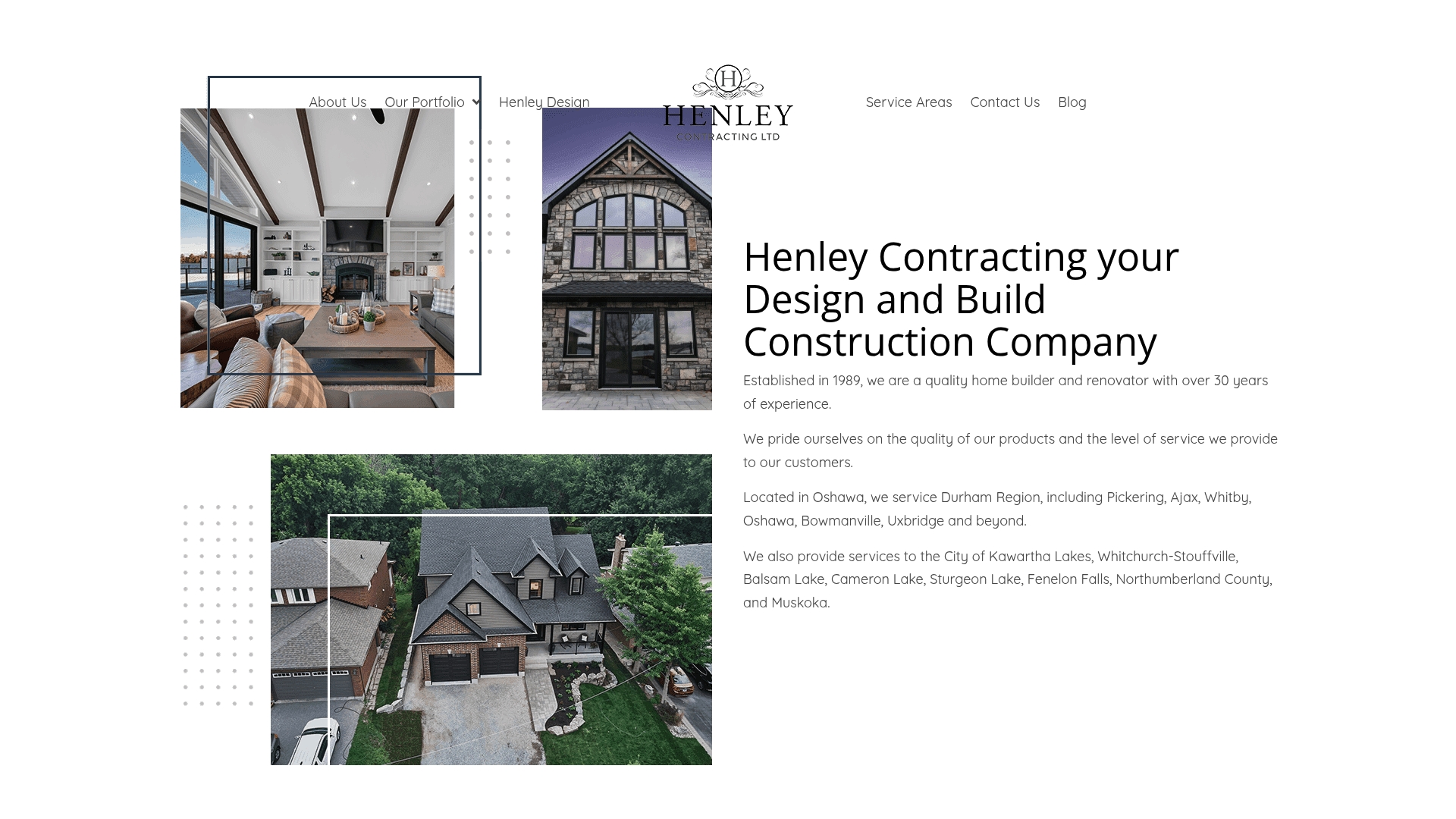
Explore our Custom Build – Henley Contracting Ltd. services for comprehensive support through every stage of your project. Visit our home page to learn more about how we bring craftsmanship and local expertise to homeowners across Durham and surrounding communities. Contact us today to start a conversation about how we can help you build a home that meets your goals and stands the test of time.
Frequently Asked Questions
What are the first steps in the custom home design process in Ontario?
Beginning with a personal needs assessment is essential. Identify your lifestyle requirements, budget constraints, and must-have features. Consider creating a comprehensive inventory to prioritise your functional spaces and refine your project goals.
How do I select the right professionals for my custom home build?
Research and interview professionals, such as architects and engineers, with specific expertise in custom home design. Review their portfolios for relevant experience and request detailed proposals to ensure they meet your design and budget expectations.
What types of permits are required for building a custom home in Ontario?
You will need several permits, including a building permit, zoning clearance, and energy efficiency checks. Prepare comprehensive documentation that includes floor plans and structural drawings to facilitate the permit application process.
How can I ensure my construction project stays on track?
Establish clear communication with your construction team and schedule regular coordination meetings. Develop a project management timeline that includes milestones and quality control assessments to maintain progress and manage potential challenges.
What should I do during the final inspection of my custom home?
Conduct a thorough walkthrough inspection with your project manager, focusing on structural integrity and craftsmanship. Document any discrepancies and work with your construction team to address these issues promptly to ensure your home meets all expectations.
How do I handle discrepancies found during inspections?
Immediately note any discrepancies and compare them against your original design specifications. Communicate these issues to your construction team and request timely adjustments to elevate the quality of your custom home.


