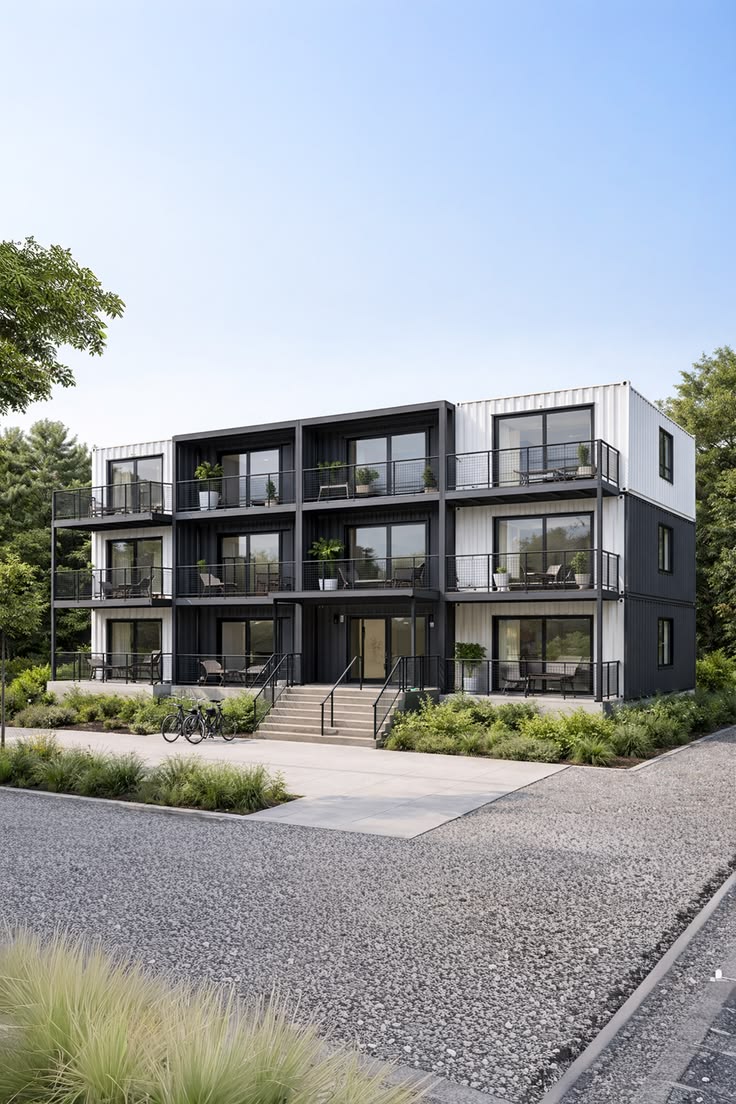


Spaces Planned Around Daily Business Operations
Commercial spaces should support the specific operational needs of the business using them. Prefab construction allows layouts to be designed around workflow, customer experience, staff movement, storage needs, and service delivery requirements. Some businesses require open collaborative areas and customer-facing environments, while others need private offices, specialized workspaces, organized storage zones, or modular layouts that support flexible use. Every part of the building is planned carefully to improve functionality and efficiency throughout daily operations. The goal is to create practical commercial environments that feel organized, professional, and easy to manage over time.
The overall atmosphere of the building also plays an important role in how the business is experienced by both staff and visitors. Clean finishes, comfortable work areas, proper lighting, and practical design features all contribute to creating a professional environment that feels reliable and welcoming. When the layout and functionality of the building are planned carefully from the beginning, the space becomes easier to manage, more adaptable to future changes, and better suited to long-term business growth.
Improving Daily Workflow Inside Commercial Environments
Prefab commercial construction relies on controlled manufacturing environments where building components can be produced with greater precision and quality control. Materials, measurements, and assembly processes are monitored more carefully compared to many traditional construction conditions. Controlled production also helps protect materials from unnecessary weather exposure during early construction phases. Better consistency throughout manufacturing supports stronger workmanship, improved coordination, and more predictable project outcomes from start to finish. This level of organization helps businesses receive commercial spaces that meet performance expectations while reducing construction-related uncertainty and delays.
Cost Efficiency Through Streamlined Construction
Commercial prefab projects are often designed to improve overall project efficiency while helping businesses manage budgets more effectively. Streamlined manufacturing, organized scheduling, and reduced on-site construction time can help control labor costs and minimize unnecessary delays. Careful planning also allows businesses to make more informed decisions regarding materials, layouts, infrastructure, and future operational needs. Efficient project coordination helps reduce unexpected disruptions while supporting better long-term value throughout the building process. Cost efficiency does not mean sacrificing quality. The focus remains on creating durable and functional commercial environments that continue supporting business operations over time.
Flexible Building Solutions for Different Industries
Prefab commercial construction can support a wide range of industries and business types. Offices, retail spaces, clinics, studios, service facilities, educational spaces, modular work environments, and light industrial operations can all benefit from efficient prefab building methods. Layouts and building features can be adjusted to match the operational needs of different businesses while still maintaining flexibility for future changes and expansion. Adaptable spaces help businesses respond more easily to evolving staffing needs, technology updates, and workflow adjustments over time. This flexibility makes commercial prefab construction practical for both established companies and growing businesses planning for future development.
Durable Construction for Long-Term Commercial Use
Commercial properties experience regular daily activity, which makes durability an important part of every prefab project. Structural systems, roofing, insulation, flooring, windows, and exterior finishes are selected carefully to support long-term commercial performance and reliability. Durable materials help reduce maintenance concerns while allowing the property to remain functional and visually professional over time. Every component is selected with both practicality and long-term operational use in mind. Strong construction standards also help prefab commercial buildings perform consistently under changing weather conditions and continuous business activity.
Reducing Site Disruption During Construction
Many businesses need construction projects completed with minimal disruption to surrounding operations, neighboring properties, or existing facilities. Prefab construction helps reduce the amount of extended on-site work required during the building process. Because major components are prepared before delivery, installation and assembly on-site can often move more quickly and efficiently compared to fully traditional construction methods. This helps reduce noise, congestion, and construction-related interruptions around the property. Improved efficiency also helps create a more organized and manageable project experience for business owners and property managers.
Supporting Future Business Expansion
Businesses often evolve over time, and commercial buildings should be able to adapt as operational needs change. Prefab construction allows for scalable layouts and flexible building systems that support future growth more efficiently. Additional workspaces, modular expansions, storage capacity, customer areas, or operational zones can often be incorporated more easily into prefab building plans compared to rigid traditional layouts. Planning ahead helps businesses avoid major disruptions later while improving long-term functionality. This adaptability allows commercial properties to continue supporting the business effectively as it grows and changes over time.
Commercial Prefab Buildings Designed for Long-Term Performance
A successful commercial building should continue supporting business operations comfortably and efficiently for many years. Strong construction methods, organized layouts, durable materials, and efficient project coordination all contribute to creating commercial environments that remain dependable over time. Whether used for offices, retail environments, clinics, service businesses, or modular commercial operations, prefab construction offers practical solutions that balance speed, functionality, and long-term reliability. The goal of commercial prefab construction is to create scalable, professionally built commercial spaces that help businesses operate efficiently while supporting quality, flexibility, and cost-effective project delivery.