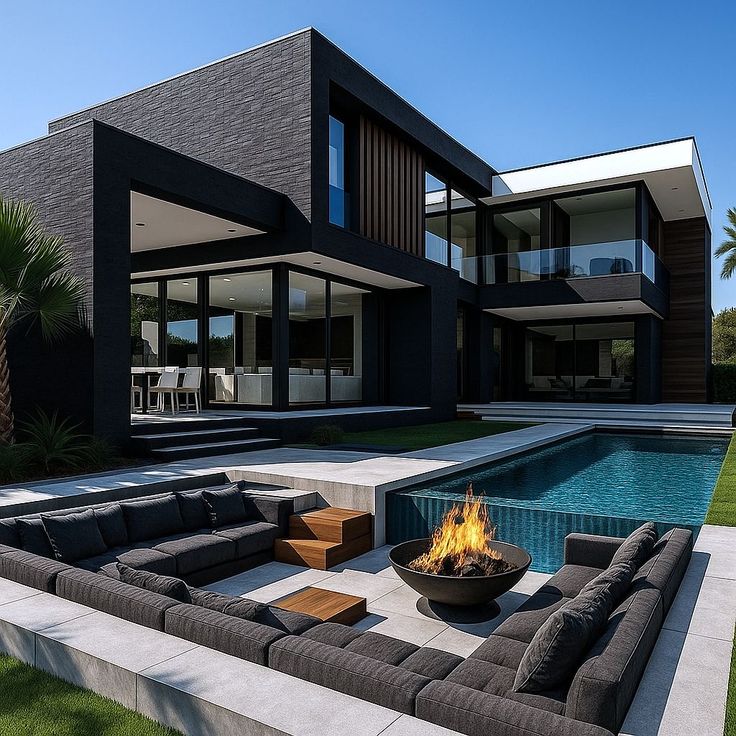
Designing Around the Property and Site Conditions
Every property has unique conditions that influence how a building should be designed. Lot size, topography, surrounding structures, sunlight exposure, views, drainage, accessibility, and environmental factors all affect the overall planning process. Architectural design takes these site conditions into consideration to help maximize comfort, efficiency, and long-term usability. Proper positioning of windows, entrances, outdoor areas, and building orientation can improve natural lighting, ventilation, privacy, and energy performance throughout the space. Designing around the natural characteristics of the property also helps the building feel more connected to its surroundings.
Thoughtful site integration can improve both comfort and functionality inside the space. Proper building orientation may allow more natural light into living areas, improve airflow, increase privacy, or create stronger connections between indoor and outdoor spaces. Outdoor patios, entrances, windows, and gathering areas can all be positioned in ways that make better use of the environment while improving how people interact with the property overall. When a design responds naturally to the site conditions instead of working against them, the finished building often feels more balanced, efficient, and visually connected to its setting. This creates spaces that not only perform better functionally but also feel more comfortable and intentional as part of the surrounding environment.
Designing Buildings That Respond Naturally to the Property Site
A successful design should not focus only on appearance. The building must also function comfortably and efficiently for the people using it every day. Layout flow, storage, room sizing, lighting, accessibility, and practical movement throughout the space all play important roles in the overall design. Architectural planning focuses on balancing aesthetics with real-world functionality. Clean lines, thoughtful proportions, natural materials, and modern finishes can improve visual appeal, while practical layouts and efficient organization help improve everyday usability. The goal is to create spaces that feel visually refined without sacrificing comfort or practicality.
Creating Better Flow Between Interior Spaces
How people move throughout a building has a major impact on comfort and usability. Poor layouts can create congestion, disconnected rooms, wasted space, and inefficient daily routines. Architectural design helps improve the relationship between rooms by creating smoother transitions and better organization throughout the property. Kitchens, living spaces, work areas, private rooms, and shared environments should all connect in ways that feel comfortable and natural. Better flow also helps buildings feel more open, organized, and easier to navigate throughout daily use.
Planning for Long-Term Adaptability
A building should continue supporting changing needs over time rather than becoming restrictive as lifestyles or operations evolve. Architectural planning often includes flexible spaces and adaptable layouts that allow properties to respond more easily to future adjustments. Growing families, changing work environments, aging-in-place considerations, or future operational expansion can all influence how a space should be designed from the beginning. Planning ahead helps reduce the need for major modifications later while improving long-term functionality. Adaptable spaces also help properties maintain stronger long-term value and usability.
Working Within Building Codes and Regulations
Architectural projects must align with zoning requirements, safety standards, accessibility regulations, structural guidelines, and local building codes before construction can move forward properly. Careful planning helps ensure the design remains compliant while still supporting the client’s goals and functional needs. Setbacks, height limitations, occupancy requirements, utility planning, and permit coordination are all considered throughout the design process. Addressing these requirements early helps reduce delays while creating a smoother approval and construction experience overall.
Improving Comfort Through Smart Design Choices
Comfort is influenced by many design details beyond just room size or appearance. Natural lighting, ventilation, ceiling height, insulation planning, window placement, and room orientation all affect how a building feels throughout the day. Architectural design focuses on creating balanced environments that feel comfortable, functional, and enjoyable to spend time in year-round. Smart design choices can improve indoor atmosphere while supporting energy efficiency and overall property performance. These details help create spaces that feel more welcoming and easier to live or work in over time.
Coordinating Design With Construction Efficiency
Well-organized architectural planning also helps improve construction efficiency by creating clearer documentation, more accurate layouts, and better coordination between design and building phases. Detailed plans allow contractors, engineers, builders, and project teams to work more effectively throughout the construction process. Clear communication between all phases of the project helps reduce confusion, minimize delays, and support stronger overall project execution. Better coordination during the design stage often leads to smoother construction timelines and more reliable final results.
Architectural Design That Supports Long-Term Value
Strong architectural design creates more than attractive buildings. It creates spaces that function properly, support everyday life, and remain adaptable over time. Thoughtful planning helps properties perform better while improving comfort, usability, and long-term value. Whether designing homes, commercial properties, additions, renovations, or specialized spaces, the focus remains on creating environments that respond carefully to the needs of the people using them. The goal of architectural design is to create balanced, functional, and visually refined spaces that support both immediate project goals and long-term everyday living.