Balancing Landscaping With Practical Site Design
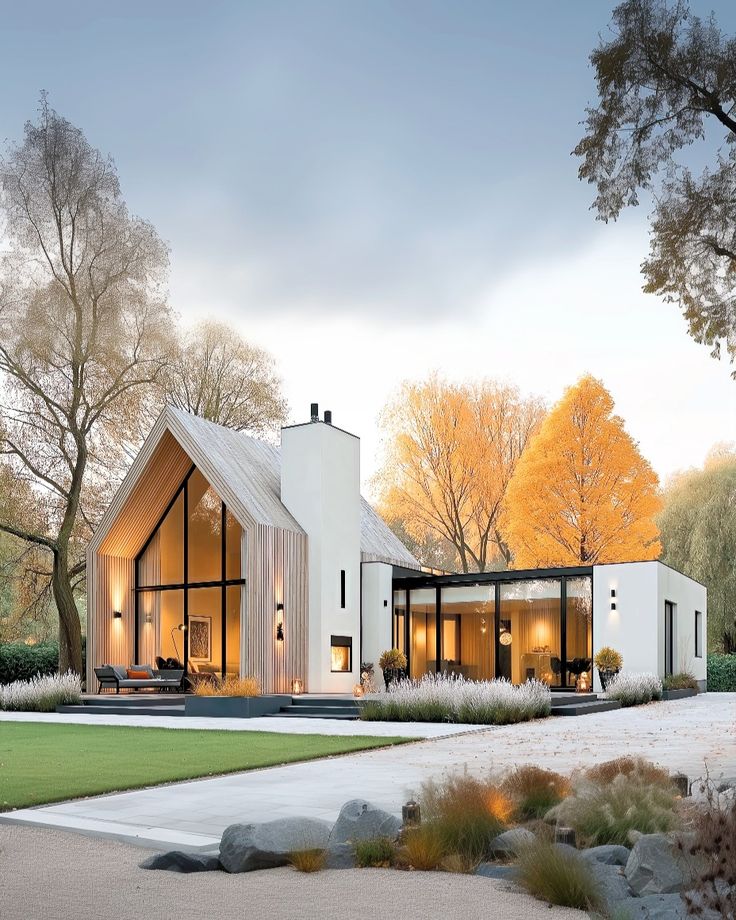
Landscaping should work together with the overall property layout rather than feeling disconnected from the architecture or surrounding site conditions. Planting areas, green space, pathways, retaining walls, drainage systems, and outdoor surfaces all need to function together as part of a balanced exterior environment. Smart exterior design helps create outdoor layouts that improve curb appeal while still remaining manageable and practical for long-term maintenance. Proper spacing, material selection, and landscape organization also help improve site drainage, accessibility, and overall property performance. Balanced landscaping contributes to a cleaner, more organized, and visually comfortable outdoor environment.
Careful planning is especially important for long-term maintenance and usability. Outdoor spaces that are organized properly from the beginning are often easier to maintain, more adaptable to seasonal changes, and more practical for everyday use over time. When landscaping and site design work together naturally, the result is an exterior environment that feels balanced, functional, and visually refined for years to come.
Exterior Spaces Designed for Better Movement and Accessibility
Exterior design strongly influences how people move throughout the property. Entryways, pathways, driveways, outdoor gathering areas, parking access, and transitions between indoor and outdoor spaces should all feel natural and easy to navigate. Careful site planning helps improve circulation while reducing congestion and underutilized areas around the property. Exterior layouts are designed to support safe movement, better accessibility, and stronger connections between different outdoor zones. Better flow also improves the overall experience of using the property every day.
Using Lighting to Enhance Exterior Comfort and Safety
Outdoor lighting plays an important role in both appearance and functionality. Well-planned lighting improves visibility, safety, comfort, and overall atmosphere throughout exterior spaces during evening and nighttime use. Pathway lighting, entry lighting, landscape illumination, accent fixtures, and outdoor gathering area lighting all contribute to creating safer and more welcoming environments. Strategic lighting placement also highlights architectural features, landscaping, and outdoor textures more effectively. A properly illuminated exterior feels more inviting while improving both usability and security around the property.
Selecting Durable Materials for Outdoor Conditions
Exterior spaces are exposed to changing weather conditions, moisture, sunlight, temperature shifts, and regular daily use. Material selection therefore becomes an important part of creating outdoor environments that remain durable and visually appealing over time. Paving materials, decking, stonework, railings, fencing, outdoor finishes, and hardscape surfaces are selected carefully to support long-term performance and reduced maintenance requirements. Durable materials also help preserve the overall appearance and reliability of the exterior environment throughout changing seasons. Strong material choices contribute to better long-term property value and outdoor usability.
Connecting Architecture With Outdoor Design
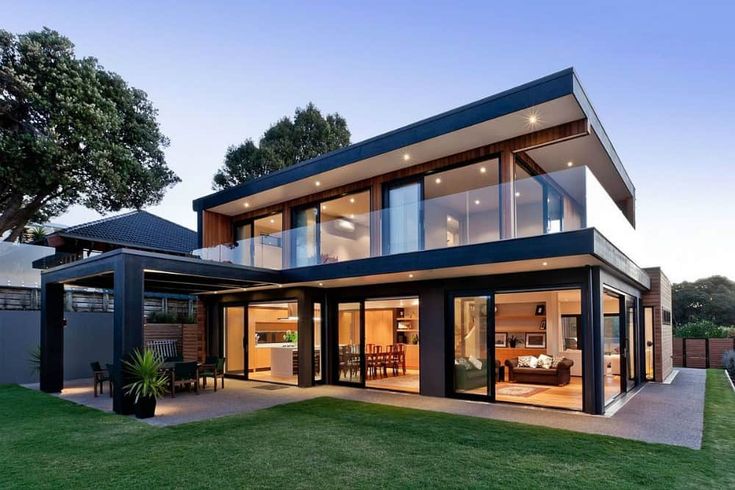
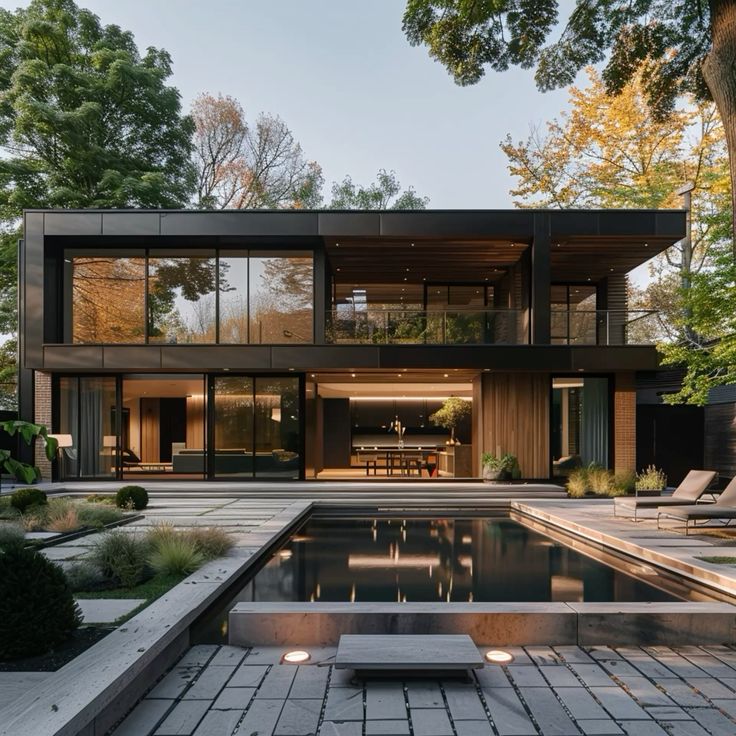
A successful exterior should feel naturally connected to the architecture of the building itself. Outdoor materials, colors, textures, and design elements should complement the structure while maintaining visual consistency throughout the property. Smart exterior planning helps create smoother transitions between indoor and outdoor environments through coordinated materials, entrances, landscaping, and outdoor living areas. This integration creates a more unified and visually balanced property overall. A connected design approach also helps outdoor spaces feel more intentional and comfortable to use.
Supporting Long-Term Property Performance
Exterior planning affects more than appearance alone. Drainage, grading, accessibility, material durability, lighting, and site organization all influence how well the property performs over time. Smart exterior design helps reduce long-term maintenance concerns while improving outdoor comfort, site efficiency, and property usability. Proper planning also helps prevent issues related to water management, uneven surfaces, overcrowding, or poor circulation throughout the site. Well-organized exterior environments remain easier to maintain and more enjoyable to use long-term.
Creating Outdoor Environments That Adapt Over Time
Exterior spaces often evolve as property needs change over the years. Smart planning allows outdoor areas to remain flexible enough to support future adjustments, additional landscaping, expanded gathering areas, or changing lifestyle needs without requiring complete redesign later. Flexible outdoor layouts help properties continue functioning efficiently while adapting naturally to different uses and seasonal conditions. This adaptability also contributes to stronger long-term property value and usability. Thoughtful exterior planning creates spaces that remain practical and visually appealing over time.
Smart Exterior Design That Enhances Everyday Living
A well-designed exterior improves far more than curb appeal alone. It shapes how the property functions, how people move through the space, and how comfortable the outdoor environment feels throughout daily life. Whether supporting residential homes, commercial properties, outdoor gathering areas, or landscape-focused developments, smart exterior design helps create outdoor spaces that balance beauty, durability, and functionality. The goal of smart exterior design is to create visually refined and highly functional outdoor environments that improve comfort, usability, long-term performance, and overall property experience.