
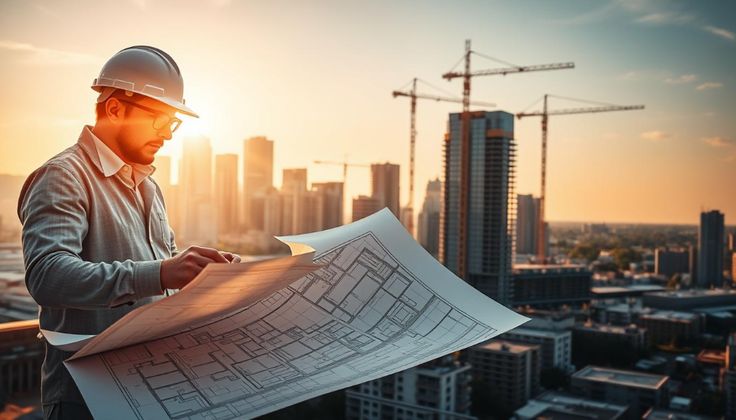

Maximizing Usable Space Across the Property
Every property has limitations related to lot size, setbacks, access routes, grading, utilities, and zoning requirements. Careful site planning helps maximize the usable potential of the property while maintaining proper organization and compliance with development regulations. Efficient layouts allow outdoor areas, circulation zones, landscaping, parking, and operational spaces to function more effectively without overcrowding the site. Even smaller properties can feel more open and practical when the layout is planned carefully around actual usage needs. Maximizing usable space also improves long-term flexibility and property performance. Efficient use of space also helps the property adapt more easily as future requirements change over time. Additional structures, expanded parking, outdoor improvements, operational upgrades, or changing usage patterns can often be accommodated more smoothly when flexibility is considered during the initial planning stage. This reduces the likelihood of future site conflicts or major redesign requirements later.
A well-organized property also improves long-term usability by creating clearer movement, stronger accessibility, and better overall site balance. Spaces feel easier to navigate, more comfortable to use, and more visually connected throughout the property. Over time, these planning decisions contribute to better operational efficiency, lower maintenance concerns, and stronger long-term value for the entire site.
Site Planning That Simplifies Long-Term Maintenance and Upkeep
Movement throughout the property should feel smooth, organized, and intuitive for both vehicles and pedestrians. Entry points, walkways, driveways, gathering spaces, loading areas, and operational zones all need to connect efficiently without creating unnecessary obstacles or confusion. Site precision planning improves circulation by carefully organizing transitions between different parts of the property. Better flow supports accessibility, safety, and overall usability while helping outdoor spaces feel more connected and functional. A more organized site layout also improves the everyday experience for occupants, visitors, employees, and service access.
Coordinating Buildings With Outdoor Space Planning
The relationship between buildings and outdoor areas has a major influence on how comfortable and functional a property feels overall. Exterior spaces should support the building while remaining practical and visually balanced throughout the site. Careful planning helps position buildings in ways that improve sunlight access, privacy, circulation, landscaping opportunities, and outdoor usability. Gathering areas, green spaces, seating zones, service access, and operational functions can all be organized more efficiently when the building placement is coordinated properly from the beginning. Balanced site relationships create environments that feel more open, connected, and easier to use long-term.
Supporting Better Drainage and Site Performance
Drainage and grading play important roles in long-term property performance. Poor site organization can lead to water accumulation, erosion, uneven surfaces, and maintenance issues that affect both usability and structural reliability over time. Site precision planning helps coordinate grading, drainage systems, hardscaping, landscaping, and water flow management to support safer and more reliable site conditions. Proper elevation planning also improves accessibility and outdoor comfort throughout changing weather conditions. Strong site performance contributes to lower maintenance concerns and better long-term property reliability.
Designing Flexible Layouts for Future Adaptability
Property needs often change over time due to operational growth, lifestyle adjustments, future additions, or changing site usage patterns. Site planning should support this flexibility by allowing room for future modifications without disrupting the overall organization of the property. Flexible layouts help properties adapt more easily to expanded parking, additional structures, outdoor upgrades, landscaping changes, or evolving operational needs. Planning ahead helps reduce future site conflicts while improving long-term functionality. Adaptable site organization also contributes to stronger long-term property value.
Improving Safety Through Organized Site Design
A well-organized site improves both movement and safety throughout the property. Clear access routes, proper visibility, separated circulation areas, organized parking layouts, and coordinated pedestrian movement all contribute to safer site conditions. Site precision planning helps reduce confusion and potential conflicts between vehicles, pedestrians, service access, and operational areas. Proper spacing and visibility also improve navigation throughout the site during both daytime and evening conditions. Safer layouts create more comfortable and reliable environments for everyone using the property.
Coordinating Site Planning With Long-Term Maintenance
Well-planned properties are often easier to maintain and manage over time. Organized layouts help improve access for maintenance, landscaping, servicing, snow removal, drainage management, and everyday operational upkeep. Thoughtful planning also helps reduce unnecessary wear on surfaces, overcrowding, poor water management, and inefficient outdoor organization that may create long-term maintenance challenges later. Better coordination during the planning stage helps properties remain cleaner, more functional, and easier to maintain throughout years of use.
Site Precision That Supports Long-Term Property Success
A successful site layout improves much more than appearance alone. It affects how the property functions every day, how efficiently spaces are used, and how comfortably people move throughout the environment over time. Whether supporting residential developments, commercial properties, industrial sites, or mixed-use environments, site precision planning helps create organized and adaptable layouts that improve long-term functionality and property performance. The goal of site precision planning is to create efficient, balanced, and highly functional property layouts that support usability, accessibility, operational efficiency, and long-term site reliability.