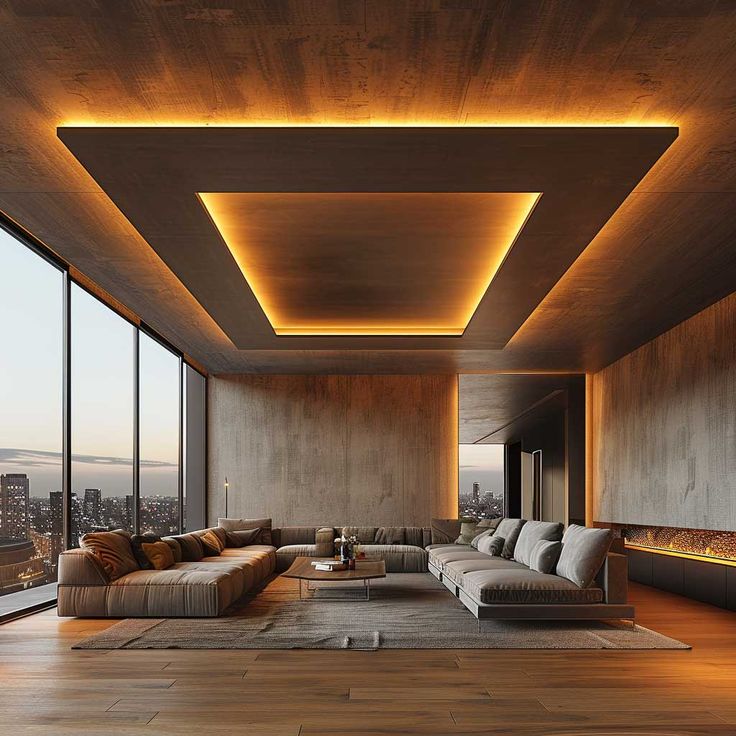
Improving Visibility for Everyday Activities
Different activities require different levels of lighting to support comfort and functionality. Cooking, reading, working, cleaning, meetings, and detailed tasks all depend on proper visibility throughout the space. Strategic lighting design helps ensure important work areas receive adequate illumination while still maintaining visual comfort. Task lighting, accent lighting, ambient lighting, and focused fixtures are coordinated carefully to improve functionality without creating excessive brightness or glare. Well-planned visibility also helps reduce eye strain and improves the overall experience of using the space every day. Thoughtful lighting placement also improves how materials, colors, textures, and architectural details appear within the environment. Surfaces that may feel flat or visually dull under poor lighting often become warmer, more refined, and more visually balanced when illuminated properly. This helps create interiors that feel more polished and professionally designed without relying on excessive decorative elements.
Well-planned lighting systems also support long-term flexibility within the space. Adjustable lighting levels, layered illumination, and carefully positioned fixtures allow rooms to adapt more easily to different activities, moods, and changing daily routines. A lighting design that responds naturally to how people use the space helps improve both functionality and overall comfort throughout everyday living or working environments.
Lighting Plans That Work Naturally With Interior Layouts
Lighting affects the emotional atmosphere of a room as much as its functionality. Bright open spaces may create energy and focus, while softer lighting can create warmth, relaxation, and comfort depending on the purpose of the environment. Layered lighting combines different fixture types and lighting levels to create more flexible and balanced interiors. Ceiling fixtures, wall lighting, accent features, pendant lights, recessed lighting, and indirect illumination can all work together to shape the atmosphere of the space. This layered approach allows rooms to feel more adaptable while supporting different activities and moods throughout the day.
Highlighting Architectural and Interior Features
Lighting design can also enhance architectural details, materials, textures, and focal points within a space. Proper illumination helps bring attention to design features that may otherwise feel flat or overlooked. Accent lighting can highlight walls, ceilings, cabinetry, artwork, shelving, textures, and structural details while improving the visual depth of the environment. This creates interiors that feel more refined, visually balanced, and professionally designed. Careful lighting placement also improves how finishes and materials appear throughout different times of day and varying lighting conditions.
Supporting Energy Efficiency and Long-Term Performance
Modern lighting design often includes energy-efficient systems that help reduce power consumption while maintaining strong lighting performance and comfort. Fixture selection, lighting controls, bulb efficiency, and strategic placement all contribute to long-term operational efficiency. Energy-efficient lighting systems can help lower operating costs while reducing unnecessary energy use throughout the property. Proper planning also improves lighting lifespan and reduces long-term maintenance requirements over time. Efficient lighting design supports both sustainability goals and practical everyday performance.
Coordinating Lighting With Interior Layout and Function
Lighting should work naturally with the layout and purpose of the space rather than feeling disconnected from the overall design. Furniture placement, room proportions, ceiling heights, circulation paths, and activity zones all influence how lighting should be organized. Careful coordination helps ensure lighting supports movement, comfort, and functionality throughout the property. Different spaces may require varying brightness levels, fixture types, or lighting controls depending on how the room is used. Integrated planning creates interiors where lighting feels naturally connected to the overall environment.
Designing Flexible Lighting for Different Needs
Modern spaces often serve multiple purposes throughout the day, making flexibility an important part of lighting design. A room may function as a workspace during the day, a gathering space in the evening, and a relaxing environment later at night. Lighting systems can be designed with adjustable controls, dimming features, layered illumination, and flexible fixture placement to adapt more easily to changing activities and preferences. This flexibility improves comfort while allowing the environment to respond naturally to different situations. Adaptable lighting also helps extend the long-term usability of the space.
Improving Safety and Navigation Within the Property
Lighting plays an important role in improving movement and safety throughout interior and exterior spaces. Hallways, staircases, entrances, walkways, parking areas, and transitional spaces all require proper visibility to support safe movement. Strategic lighting placement helps reduce dark areas, improve orientation, and create clearer navigation throughout the property. Well-lit spaces also contribute to a stronger sense of comfort and security for occupants and visitors. Safety-focused lighting design improves both functionality and overall user experience.
Lighting Design That Enhances Everyday Experience
A well-designed lighting system improves far more than visibility alone. It shapes the atmosphere, comfort, functionality, and overall experience of the environment every day. Whether supporting residential homes, offices, commercial interiors, hospitality spaces, or specialized environments, thoughtful lighting design helps create spaces that feel brighter, more welcoming, and easier to use over time. The goal of lighting design is to create balanced and strategic illumination solutions that improve ambiance, support functionality, enhance visual comfort, and strengthen the overall performance of the space.