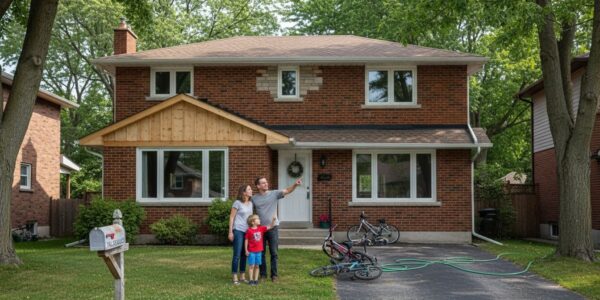
What Is a Home Extension? Expanding Spaces in Ontario
More Canadian families are choosing home extensions over moving, with Ontario projects increasing by over 30 percent in the past five years. As living costs climb in Durham Region, adding usable space can address both comfort and long-term property value. Whether you need a larger kitchen, an extra bedroom, or a secondary suite, understanding the essentials of Canadian home extensions helps you make smart, informed choices before hiring your local contractor.
Key Takeaways
| Point | Details |
|---|---|
| Home Extensions are Growing in Popularity | Canadian homeowners are increasingly investing in home extensions to accommodate evolving needs and improve property value. |
| Understanding Regulations is Crucial | Compliance with local zoning laws and obtaining necessary permits is essential to avoid legal complications and project delays. |
| Budgeting Requires Careful Planning | Anticipate both obvious and hidden costs, including a contingency fund of 10-15% for unexpected expenses during construction. |
| Professional Guidance is Recommended | Engaging experienced architects and contractors can help navigate complexities and ensure successful home extension projects. |
Defining Home Extensions for Canadian Homes
A home extension represents a strategic residential construction project where homeowners expand their existing living spaces by physically adding square footage to their current property. Unlike full renovations that modify interior spaces, home extensions literally grow your home’s physical footprint, creating new rooms or expanding existing areas to accommodate changing family needs and lifestyle requirements.
In the Canadian context, home extensions have become increasingly popular as homeowners seek innovative solutions to maximize their living spaces. The federal government is supporting innovation in construction techniques that make these expansions more accessible and efficient. These extensions can range from modest side additions and rear expansions to comprehensive second-storey builds that dramatically transform a home’s overall layout and functionality.
Typical home extensions in Ontario often include kitchen expansions, family room additions, master bedroom suites, home office spaces, and secondary dwelling units. Homeowners are strategically using these projects not just for personal comfort, but also as potential investment opportunities. Government initiatives are making it easier for homeowners to add additional residential suites, which can provide supplemental income and increase property value.
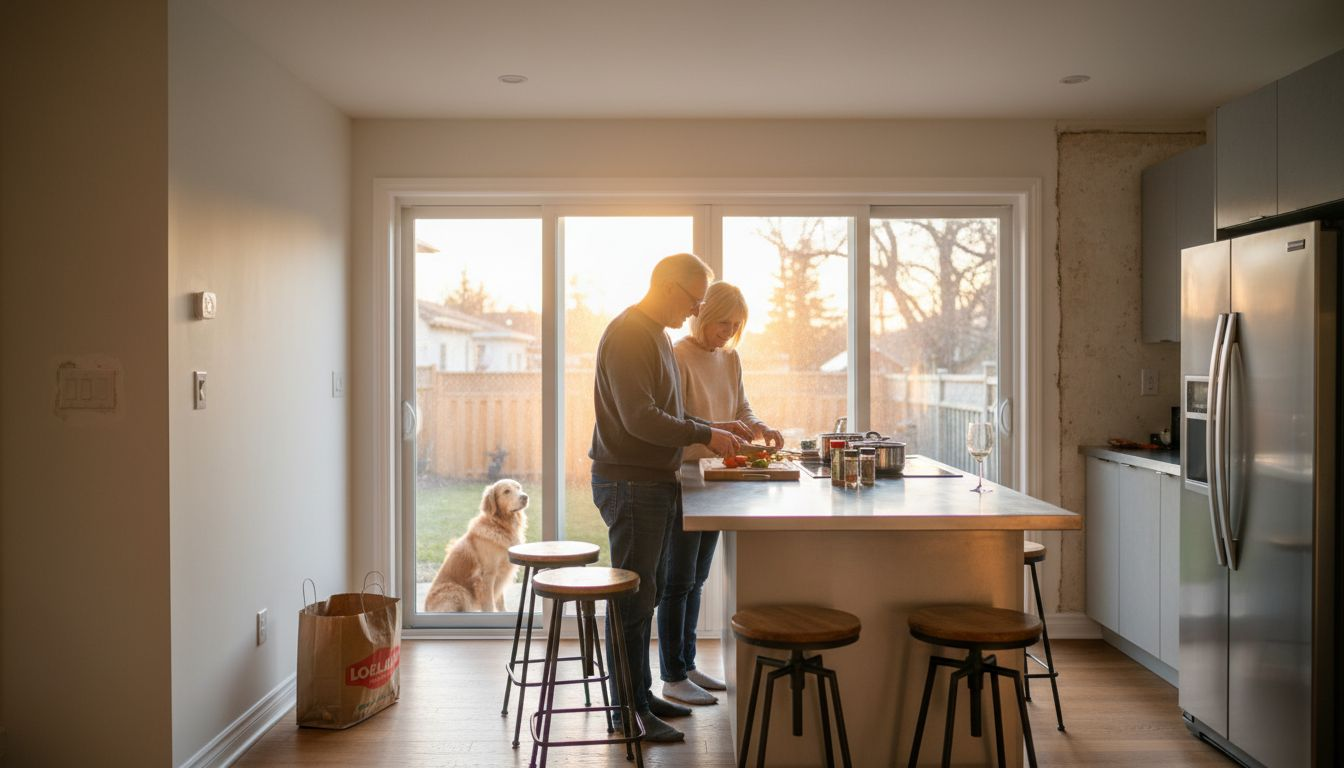
The key considerations for a successful home extension include understanding local zoning regulations, assessing structural feasibility, budgeting comprehensively, and working with experienced contractors who understand the nuanced requirements of Ontario’s residential construction landscape. These projects require careful planning, precise architectural design, and seamless integration with the existing home’s architectural style.
Pro Tip: Preliminary Research: Before initiating any home extension project, obtain detailed property surveys, consult local municipal building departments about zoning restrictions, and schedule comprehensive consultations with licensed contractors to understand the full scope of potential modifications.
Types of Home Extensions and Their Uses
Home extensions in Ontario offer homeowners diverse strategies for expanding living spaces, each designed to address specific functional needs and architectural constraints. Home addition permits in the province encompass multiple distinct approaches, including second storey additions, rear extensions, and side extensions that can dramatically transform residential properties.
Second storey additions represent a sophisticated extension method, allowing homeowners to substantially increase living space without reducing their existing ground-level yard area. These comprehensive projects typically involve constructing an entire new floor above the current home’s footprint, creating opportunities for additional bedrooms, bathrooms, home offices, or recreational spaces. Families seeking to accommodate growing household needs or generate potential rental income find these extensions particularly attractive.
Rear and side extensions offer more modular approaches to home expansion. Rear extensions commonly extend kitchen and living areas, creating open-concept spaces that enhance home functionality and flow. Side extensions, often narrower but strategically positioned, can provide additional room for home offices, guest suites, or specialized storage areas. Residential renovation strategies have evolved to offer homeowners increasingly flexible options for customizing their living environments.
The specific type of home extension selected depends on multiple factors, including property lot dimensions, municipal zoning regulations, structural considerations, budget constraints, and the homeowner’s long-term lifestyle objectives. Professional architectural assessment and municipal permit approval remain critical steps in successfully executing any home extension project.
Here is a comparison of common home extension types in Ontario and their typical uses:
| Extension Type | Typical Uses | Primary Advantages |
|---|---|---|
| Second Storey Addition | Add bedrooms, bathrooms, or offices | Doubles living space; preserves yard |
| Rear Extension | Expand kitchen or living room | Creates open-concept layouts |
| Side Extension | Create guest suite, office, or storage | Utilizes narrow lots efficiently |
Pro Tip: Extension Planning: Conduct a comprehensive property survey and consult with local building authorities before finalizing your extension design to ensure full compliance with municipal building codes and zoning restrictions.
Ontario Building Permits and Legal Rules
Home extensions in Ontario are governed by a complex framework of legal requirements designed to ensure safety, compliance, and community standards. A building permit is mandatory for constructing, renovating, demolishing, or changing the use of a building, serving as a critical regulatory mechanism to maintain construction quality and public safety.
The permit process involves multiple layers of scrutiny, requiring homeowners to submit detailed architectural plans, structural drawings, and site surveys to local municipal building departments. These documents must demonstrate compliance with the Ontario Building Code, which establishes minimum standards for structural integrity, energy efficiency, accessibility, and fire protection. Municipal officials carefully review these submissions to ensure that proposed home extensions meet zoning regulations, setback requirements, maximum lot coverage restrictions, and other local planning guidelines.
Key legal considerations for home extensions include understanding specific zoning bylaws that vary across different Ontario municipalities. Some regions have strict regulations about building height, total floor area, proximity to property lines, and potential impact on neighbourhood aesthetics. Homeowners must also navigate additional requirements such as environmental assessments, heritage preservation guidelines in historic districts, and potential restrictions related to local conservation efforts. Planning strategically for home additions requires comprehensive understanding of regional regulatory landscapes, making professional guidance crucial throughout the permitting process.
Beyond municipal approvals, homeowners must also consider provincial building codes, which mandate specific technical standards for construction materials, structural design, electrical systems, plumbing, and mechanical installations. These regulations are designed to protect homeowners by ensuring that extensions are safe, energy-efficient, and constructed to withstand Ontario’s diverse climate conditions.
Pro Tip: Permit Navigation: Engage a professional architectural consultant or experienced contractor who understands local municipal regulations to help navigate the complex building permit process and increase the likelihood of smooth, successful permit approval.
Key Costs and Budgeting Factors
Home extension projects in Ontario represent significant financial investments that require meticulous planning and comprehensive budget considerations. Pricing for home addition permit drawings depends on multiple complex factors, including project scope, structural complexity, and specific municipal requirements that can dramatically influence overall project expenses.
Typical cost components for home extensions encompass several critical categories: architectural and design fees, permit application costs, construction materials, labour expenses, structural modifications, and potential utility system upgrades. Homeowners should anticipate that second-storey additions generally cost more per square foot compared to ground-level extensions due to increased structural engineering requirements and complex construction techniques. Professional estimates suggest that Ontario home extensions can range from $200 to $600 per square foot, depending on the project’s complexity, material selections, and local market conditions.
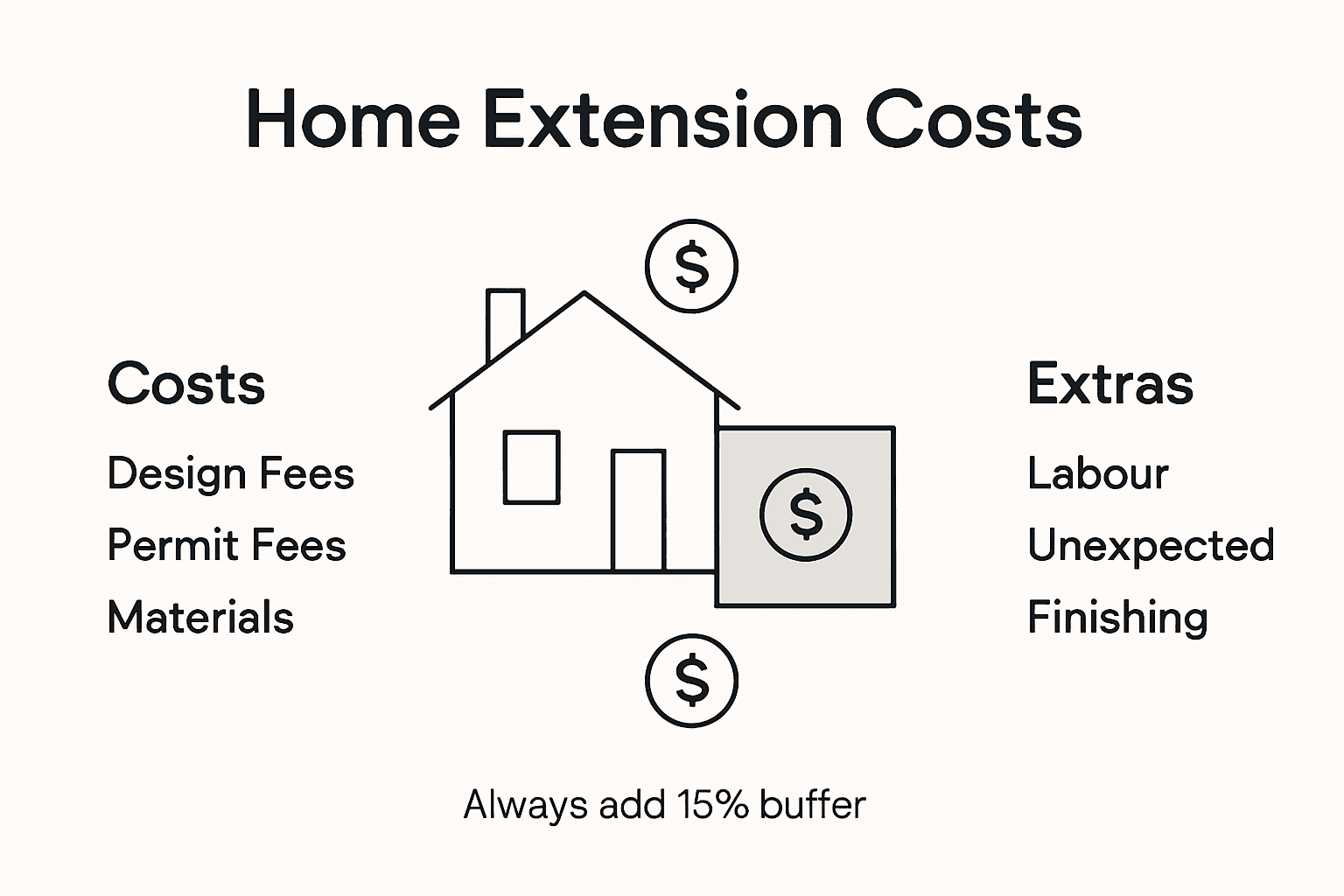
Budget allocation requires strategic consideration of both visible and hidden expenses. Strategic planning for home additions involves understanding comprehensive renovation cost landscapes, which include potential unexpected structural reinforcements, electrical system upgrades, plumbing modifications, and potential temporary housing costs during construction. Homeowners should also factor in a contingency budget of 10-15% to address unforeseen challenges that frequently emerge during extensive renovation projects.
This summary outlines key budgeting factors for Ontario home extensions:
| Cost Component | Description | Impact on Budget |
|---|---|---|
| Architectural Fees | Design, planning, and drawings | Essential up-front cost |
| Permit Application | Municipal application and reviews | Varies by municipality |
| Construction Materials | Framing, finishes, insulation, roofing, etc. | Largest overall expense |
| Structural Modifications | Engineering, reinforcements, system upgrades | Drives complexity & cost |
| Contingency Fund | 10-15% of budget for unexpected issues | Prevents overages |
Financing options for home extensions in Ontario typically include home equity lines of credit, refinancing existing mortgages, personal savings, or specialized renovation loans. Each financing method carries unique advantages and potential tax implications, making it crucial to consult with financial advisors who understand the nuanced landscape of home improvement investments.
Pro Tip: Budget Buffering: Always add a minimum 15% financial buffer to your initial project estimate to account for unexpected construction complexities, material price fluctuations, and potential regulatory compliance requirements.
Common Challenges and Mistakes to Avoid
Home extensions in Ontario present complex challenges that can derail even the most carefully planned projects. Failing to obtain a building permit before starting construction can lead to significant legal issues and project delays, representing one of the most critical mistakes homeowners can make during renovation processes.
One prevalent challenge involves underestimating the complexity of structural modifications and their potential impacts. Homeowners often miscalculate load-bearing requirements, electrical system capacities, and plumbing infrastructure, leading to unexpected complications that can dramatically increase project costs. Strategic planning for home additions requires comprehensive understanding of potential renovation complications, making professional consultation essential for navigating these intricate technical challenges.
Budgetary miscalculations represent another significant pitfall for Ontario homeowners. Common mistakes include inadequate contingency planning, overlooking hidden costs such as temporary housing during construction, potential structural reinforcement expenses, and unexpected municipal compliance requirements. Many homeowners fail to account for potential permit fees, architectural drawing costs, and potential mandatory upgrades to existing systems that may be triggered by extension projects.
Additionally, homeowners frequently underestimate the importance of maintaining architectural cohesion with existing structures. Poorly planned extensions can create visual disharmony, reduce property value, and potentially violate local zoning regulations. This challenge extends beyond aesthetic considerations, encompassing structural integrity, energy efficiency, and compliance with Ontario’s stringent building codes and municipal guidelines.
Pro Tip: Professional Consultation: Engage a licensed architect or experienced contractor for a comprehensive pre-project assessment to identify potential challenges, ensuring your home extension meets all technical, legal, and aesthetic requirements before breaking ground.
Expand Your Ontario Home with Confidence and Expert Support
Planning a home extension can feel overwhelming with all the zoning rules, structural details, and budgeting challenges explained in the article. Whether you want a second storey addition to gain more bedrooms or a rear extension to open up your living space, your goal is to achieve a seamless new section that fits your lifestyle and local regulations. Avoid costly mistakes and delays by trusting a team that understands Ontario’s unique building codes and neighbourhood nuances.
At Henley Contracting, we have over 30 years of experience helping homeowners in Durham, Kawartha Lakes, and Northumberland Counties bring their home extension visions to life. From early planning and permit navigation to flawless construction, our reliable team guides you through every step. Explore our expertise in custom home builds and renovations by visiting our Uncategorized category to see how we manage complex projects. Ready to enhance your living space with quality craftsmanship and local know-how? Contact us today at Henley Contracting and start expanding your home the right way.
Frequently Asked Questions
What is a home extension?
A home extension is a construction project that adds physical square footage to an existing home, creating new rooms or expanding existing spaces to accommodate changing family needs.
What types of home extensions are common in Ontario?
Common types of home extensions in Ontario include second storey additions, rear extensions, and side extensions, which can be tailored to specific functional needs such as added bedrooms, kitchens, or home offices.
What are the key considerations before starting a home extension project?
Key considerations include understanding local zoning regulations, assessing structural feasibility, budgeting comprehensively, and working with experienced contractors familiar with local building codes and requirements.
How much does a home extension typically cost in Ontario?
Home extension costs in Ontario can range from $200 to $600 per square foot, depending on the project’s complexity, materials, and local market conditions, requiring careful budgeting and planning.