6 Inspiring Examples of Custom Homes for Ontario Homeowners
Over 60 percent of Canadian homeowners dream about designing a space that balances comfort with style for their families. Choosing between modern farmhouse warmth, serene lakefront views, or cutting-edge urban builds can be daunting, especially with so many distinctive Canadian options available. This guide offers practical inspiration for those seeking ideas that truly reflect their Canadian identity, showcasing designs that marry function with local architectural flair.
Quick Summary
| Takeaway | Explanation |
|---|---|
| 1. Embrace Open Concept Layouts | Modern farmhouses benefit from spacious designs for family interaction and connection. |
| 2. Prioritize Weather-Resistant Materials | Use materials that withstand Canadian climate, such as treated cedar and stone. |
| 3. Incorporate Flexible Living Spaces | Design rooms that adapt to changing family needs with multi-purpose features. |
| 4. Leverage Local Expertise in Design | Consult local professionals to ensure your home fits regional conditions and codes. |
| 5. Conduct Energy Assessments Early | Engaging energy advisors can help identify efficiency improvements suitable for your home. |
1. Modern Farmhouse Designs for Family Living
Modern farmhouse design represents a perfect blend of rustic charm and contemporary living for Canadian families seeking both functionality and style. This architectural approach transforms traditional country home concepts into sleek, practical spaces that support dynamic family lifestyles.
The essence of modern farmhouse design lies in its ability to create open, welcoming environments that balance nostalgic rural elements with clean, minimalist aesthetics. Architectural design guidelines highlight key characteristics such as multiple gables, steep pitched rooflines, and expansive porches that honour traditional farmhouse roots while incorporating contemporary materials like composite siding and natural wood finishes.
Unlike traditional farmhouses, modern interpretations prioritize flexible living spaces that adapt to changing family needs. Spacious open concept layouts allow for seamless interaction between kitchen, dining, and living areas, creating communal zones where families naturally gather and connect. Large windows flood interiors with natural light, blurring boundaries between indoor comfort and outdoor landscapes.
Material selection plays a crucial role in achieving the modern farmhouse aesthetic. Composite siding offers durability and low maintenance, while natural wood accents provide warmth and texture. The Timbertop residence in Mono exemplifies this approach, featuring a design that merges simplicity with contemporary style through strategic architectural choices.
Pro tip: When designing a modern farmhouse, prioritize a mudroom that can handle the practical demands of family life. Include ample storage, durable flooring, and designated spaces for outdoor gear to maintain a clean and organized entryway.
2. Elegant Lakefront Retreats in Kawartha Lakes
Lakefront living in the Kawarthas represents the pinnacle of Canadian residential design, offering homeowners a unique opportunity to blend natural beauty with sophisticated architectural innovation. These elegant retreats transform waterfront properties into personalised sanctuaries that harmonise with the stunning Ontario landscape.
Custom home builders in the Kawarthas understand that waterfront properties demand a nuanced approach to design. Architectural strategies must address challenging terrain, maximise stunning lake views, and create resilient structures that withstand seasonal weather variations. Modern lakefront homes incorporate elevated foundations, strategically placed windows, and materials that can endure humidity and temperature fluctuations.
The key to an exceptional lakefront retreat lies in creating seamless indoor outdoor connections. Large sliding glass doors, expansive decks, and thoughtfully positioned living spaces allow residents to immerse themselves in the natural environment. Architects often design multi level structures that follow the natural topography, creating dynamic living spaces that feel integrated with the surrounding landscape.
Material selection becomes crucial in lakefront design. Homeowners should prioritise weather resistant materials like treated cedar siding, stone veneer, and tempered glass that can withstand harsh Canadian lake environments. Sustainable design elements such as passive solar heating and enhanced insulation can help reduce energy consumption while maintaining comfort throughout changing seasonal conditions.
Pro tip: When designing a lakefront home, invest in professional geotechnical assessments to understand shoreline stability and potential environmental restrictions before finalising your architectural plans.
3. Urban Custom Builds for Tight City Lots
Urban custom home design represents a sophisticated challenge for Canadian homeowners working with limited spatial resources. Transforming compact city lots into functional living spaces requires innovative architectural strategies that maximise every square metre of available land.
Custom home design in urban environments demands creative solutions that balance functionality with aesthetic appeal. Architects specialising in tight lot construction employ multiple techniques such as vertical expansion, strategic floor planning, and multipurpose room configurations to create spacious living experiences within constrained footprints.
Vertical design becomes paramount in urban custom builds. By developing multilevel floor plans with intelligent zoning, homeowners can dramatically increase usable living space without expanding the building’s ground floor dimensions. Clever design elements like open risers, glass interior walls, and strategically placed skylights create visual depth and enhance natural light penetration, making compact spaces feel significantly more expansive.
Modern urban custom builds prioritise flexible living zones that adapt to changing family needs. The Cedardale Modern Country project exemplifies this approach by incorporating enlarged kitchen spaces and vibrant interior design that maximise both functionality and aesthetic appeal. Smart storage solutions integrated into wall systems, fold away furniture, and built in multipurpose areas help homeowners overcome spatial limitations.
Pro tip: Consult municipal zoning regulations early in your design process to understand precise building height restrictions, setback requirements, and potential design constraints specific to your urban lot.
4. Energy-Efficient Homes with Canadian Materials
Energy-efficient home design has become a critical consideration for Ontario homeowners seeking to reduce environmental impact and lower utility costs. By leveraging local materials and innovative building techniques, Canadian homeowners can create sustainable living spaces that perform exceptionally well in challenging national climate conditions.
Local material selection plays a pivotal role in creating energy-efficient homes. Canadian timber products such as locally sourced cedar, spruce, and maple offer superior insulation properties and contribute to reduced carbon footprints. Custom home build strategies that prioritise regional materials not only support local economies but also ensure better thermal performance and durability specific to Canadian environmental conditions.
Advanced building envelope technologies transform traditional construction approaches. Techniques like passive solar design, superior insulation systems, and strategic window placement can dramatically reduce energy consumption. Homeowners can achieve significant thermal efficiency by incorporating triple glazed windows, advanced air sealing methods, and insulation technologies that minimise heat transfer and maintain consistent indoor temperatures throughout harsh Canadian winters.
Sustainable material choices extend beyond structural components. Recycled Canadian steel, locally manufactured fibreglass insulation, and environmentally certified wood products offer homeowners opportunities to create high performance homes with reduced environmental impact. These materials not only provide exceptional durability but also contribute to improved overall energy efficiency and reduced long term maintenance requirements.
Pro tip: Consult with local energy advisors to conduct a comprehensive home energy assessment before finalising your design, which can help identify specific efficiency opportunities unique to your property and regional climate conditions.
5. Multi-Generational Homes for Flexible Living
Multi-generational home design represents a progressive approach to residential architecture that accommodates evolving family dynamics and changing lifestyle needs. These innovative living spaces provide flexible environments where multiple generations can comfortably coexist while maintaining individual privacy and autonomy.
Designing a multi-generational home requires strategic planning that goes beyond traditional architectural concepts. The key lies in creating distinct yet interconnected living zones that allow independent living while facilitating family interaction. Architectural strategies might include separate entrances, self contained suites, adaptable bedroom configurations, and shared communal spaces that promote family connection.
Flexible design elements are crucial in multi-generational homes. Open concept living areas with modular furniture, adjustable room partitions, and universal design principles ensure spaces can be quickly reconfigured to meet changing family needs. Considerations such as wide doorways, step free entries, and adaptable bathroom facilities make these homes comfortable for family members of all ages and mobility levels.
Modern multi-generational homes incorporate sophisticated technology and design features that enhance livability. Smart home systems can provide independence for elderly family members through remote monitoring, automated safety features, and integrated communication technologies. Soundproofing, separate heating and cooling zones, and carefully planned privacy corridors help maintain individual comfort within a shared living environment.
Pro tip: Consult with a professional architect specialising in multi-generational design to create custom solutions that anticipate your family’s unique living requirements and potential future adaptations.
6. Luxury Cottages in Muskoka Style
Muskoka style cottages represent the pinnacle of Canadian recreational architecture, blending rustic wilderness aesthetics with sophisticated contemporary design principles. These architectural gems transform lakeside living into an immersive experience that celebrates Ontario’s natural beauty and architectural heritage.
Custom cottage builders understand that Muskoka style transcends mere construction it represents a nuanced approach to integrating architectural design with spectacular natural landscapes. Characteristic features include expansive cedar decks, large picture windows that capture panoramic lake views, and structural designs that harmonise with surrounding forests and rocky terrains.
Modern Muskoka cottages leverage advanced building technologies while maintaining traditional architectural sensibilities. Sustainable materials like locally sourced timber, stone accents, and weather resistant composites create structures that withstand challenging Canadian seasonal variations. Architectural strategies such as elevated foundations, strategic roof pitches, and comprehensive insulation systems ensure these luxury retreats remain comfortable throughout unpredictable Ontario weather conditions.
Design considerations extend beyond aesthetic appeal. Luxury Muskoka cottages incorporate sophisticated smart home technologies, enabling remote monitoring, energy efficient climate control, and integrated security systems. Thoughtful interior layouts create flexible living spaces that can accommodate extended family gatherings, offering seamless transitions between indoor comfort and outdoor recreational experiences.
Pro tip: Prioritise local architectural knowledge when designing a Muskoka style cottage, as understanding regional environmental conditions and building regulations can significantly enhance your property’s long term durability and aesthetic integration.
Below is a comprehensive table summarizing the architectural design approaches discussed in the article, focusing on various styles and their key characteristics.
| Design Style | Key Characteristics | Pro Tips |
|---|---|---|
| Modern Farmhouse | Blend of rustic charm and contemporary style; open concept layouts; use of composite siding and natural wood | Prioritise a mudroom with ample storage for practical family needs. |
| Lakefront Retreats in Kawartha | Seamless indoor-outdoor connections; multi-level structures; weather-resistant materials | Conduct geotechnical assessments to understand shoreline stability. |
| Urban Custom Builds | Vertical designs; strategic floor planning; multipurpose room configurations | Consult zoning regulations to understand height restrictions and setbacks. |
| Energy-Efficient Homes | Local materials; advanced building envelope technologies; superior insulation | Conduct a home energy assessment to identify efficiency opportunities. |
| Multi-Generational Homes | Separate yet interconnected living zones; flexible design elements | Design with adaptability for future family needs; consult a multi-generational specialist. |
| Muskoka Luxury Cottages | Integration with natural landscapes; sustainable materials; sophisticated smart home technologies | Use local architectural knowledge for durable and aesthetically integrated design. |
Build Your Dream Custom Home with Henley Contracting
Designing a custom home in Ontario comes with unique challenges such as balancing aesthetic appeal with practical family living needs, maximising limited urban spaces, or creating energy-efficient structures that withstand Canadian climates. Whether you are inspired by modern farmhouse designs, lakefront retreats, or multi-generational homes, finding a trustworthy builder who understands these complexities is essential to turn your vision into reality.
Henley Contracting has over three decades of experience delivering high-quality custom homes tailored to your lifestyle. From innovative urban builds to luxury cottage constructions in Muskoka style, their expert craftsmanship ensures every detail supports your family’s goals and enhances your property’s long-term value.
Explore custom home possibilities with Henley Contracting’s Custom Build services and discover how their local expertise can create a home that perfectly fits your needs.
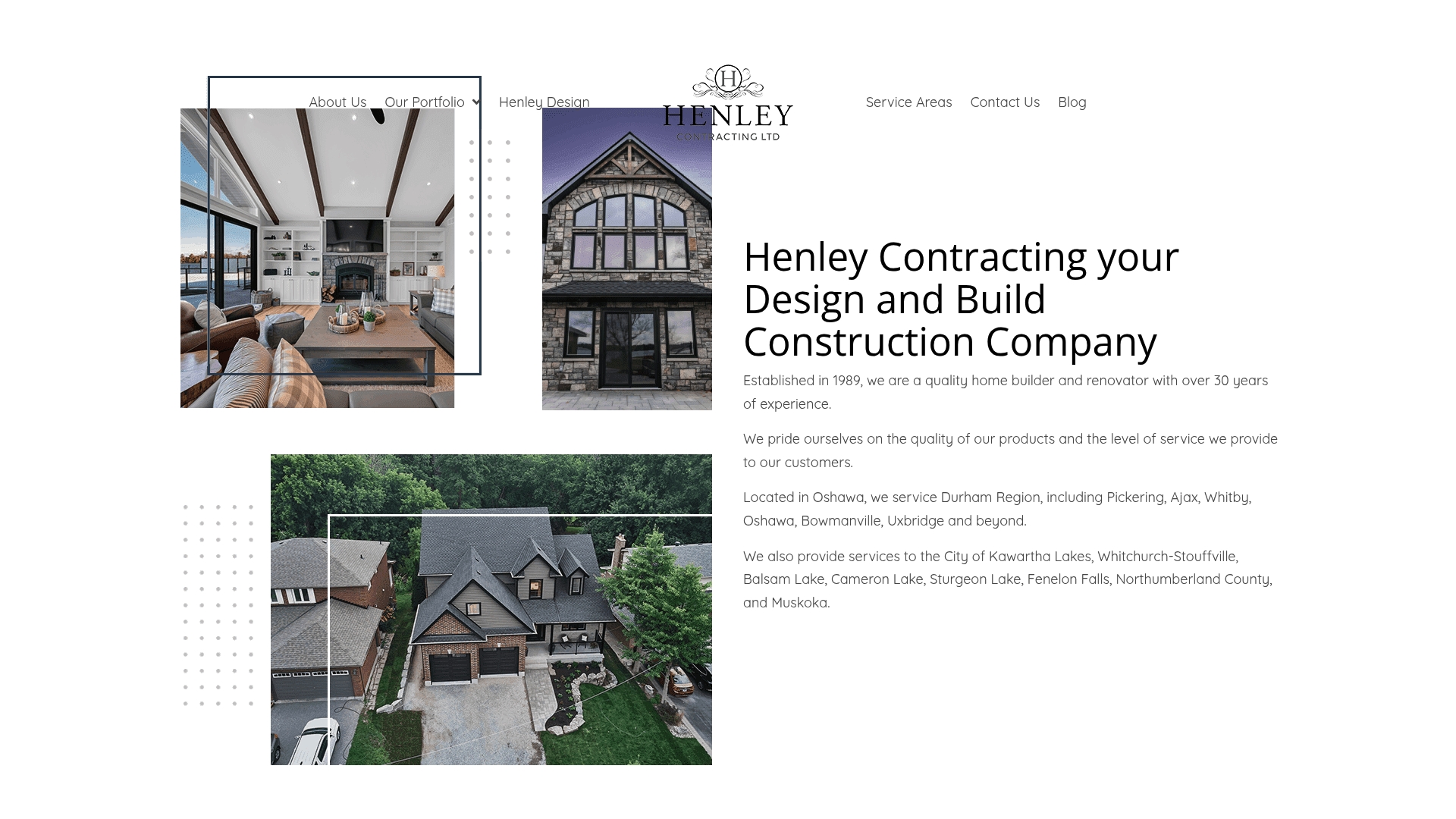
Take the first step today by visiting Henley Contracting to learn more about building your ideal home. Don’t delay your dream home — with proven experience across Durham, Kawartha Lakes, and Muskoka, Henley Contracting is your trusted partner for exceptional residential construction and renovation.
Also consider their Renovations services to refresh existing spaces and Aging in Place solutions for long-term comfort as your family evolves.
Frequently Asked Questions
What are the key features of modern farmhouse designs for Ontario homeowners?
Modern farmhouse designs typically include elements like open concept layouts, steep pitched rooflines, and expansive porches. To achieve this style, focus on blending rustic charm with contemporary materials, creating a welcoming environment for family living.
How can I design a lakefront home that withstands seasonal weather?
To ensure your lakefront home is resilient against seasonal changes, prioritize elevated foundations and weather-resistant materials. Consult with a designer to incorporate features that maximise views and integrate the structure harmoniously with the landscape.
What are effective strategies for maximising space in urban custom builds?
Utilizing vertical space is crucial in urban builds. Create multi-level floor plans, incorporate smart storage solutions, and use design elements like skylights to enhance natural light, making the space feel larger and more functional.
How can I enhance the energy efficiency of my custom home?
Focus on local building materials with superior insulation properties and employ techniques like passive solar design and triple glazed windows. Conduct a home energy assessment to pinpoint specific improvements you can make to achieve better energy efficiency.
What are important considerations for designing multi-generational homes?
Design multi-generational homes by creating distinct living zones that allow for independent living while still promoting family interaction. Incorporate features like separate entrances and adaptable spaces to ensure comfort for all family members.
How can I ensure my Muskoka style cottage complements the surrounding landscape?
To design a Muskoka style cottage that harmonises with its environment, prioritise local materials and understanding of the regional landscape. Engage with local architects who are familiar with building regulations and natural aesthetics to enhance your cottage’s integration into its surroundings.