Why Renovate Your Home – Enhancing Value in Ontario
More than 70 percent of Canadian homeowners consider renovating their property at some point, yet few fully grasp how complex these projects can become in Ontario. From navigating municipal permits to managing rising costs, each choice can affect both comfort and resale value. This article unpacks what home renovation means for Canadian residents in Ontario, highlighting practical steps and local rules that directly impact your investment.
Key Takeaways
| Point | Details |
|---|---|
| Understanding of Home Renovation | Home renovation in Ontario involves complex improvements that enhance property value and functionality, governed by specific legal frameworks. |
| Popular Renovation Types | Key trends include kitchen remodels, bathroom upgrades, and energy-efficient modifications, each providing significant value and comfort enhancements. |
| Legal Compliance Importance | Navigating legal permits and the Ontario Building Code is crucial for ensuring safety and quality in renovation projects. |
| Financial Planning | Careful budgeting and awareness of potential costs, rebates, and risks are essential for successful renovation investments. |
What Home Renovation Means in Ontario
Home renovation in Ontario represents a complex process of improving residential properties through strategic repairs, upgrades, and transformative changes. These projects extend far beyond simple cosmetic updates, encompassing comprehensive improvements that enhance both functional living spaces and property market value. Understanding the nuanced landscape of home renovations requires recognizing the legal, financial, and practical considerations unique to the Ontario housing market.
In Ontario, home renovations are governed by specific consumer protection frameworks that aim to safeguard homeowners during construction projects. Home renovation agreements between contractors and homeowners involve intricate legal considerations, with the Consumer Protection Act providing critical guidelines for business interactions. These regulations help protect homeowners from potential scams and ensure transparent, fair contractual relationships with renovation professionals.
Renovation projects in Ontario can range from minor updates to extensive structural modifications. Homeowners typically undertake these improvements to address functional needs, increase property value, enhance energy efficiency, or modernize living spaces. Common renovation types include kitchen remodels, bathroom upgrades, basement developments, and whole-home transformations. Strategic renovations can significantly impact a property’s marketability and long-term investment potential, making them crucial considerations for Ontario homeowners.
Pro Renovation Planning Tip: Research and select licensed contractors with proven track records, verified credentials, and positive local references before initiating any home renovation project in Ontario.
Additional resources like 7 Types of Residential Renovations Every Homeowner Should Know can provide deeper insights into potential renovation strategies tailored to Ontario’s unique residential landscape.
Popular Renovation Types and Local Trends
In the dynamic Ontario residential landscape, home renovation trends reflect a sophisticated blend of functionality, aesthetic modernization, and strategic property value enhancement. Homeowners across Durham Region and surrounding areas are increasingly focusing on targeted renovation projects that deliver both immediate living improvements and long-term financial benefits. Understanding these local trends requires a nuanced examination of current preferences and market-driven renovation strategies.
Contemporary renovation approaches in Ontario typically centre around several key areas of home improvement. Kitchen renovations remain the most popular, with homeowners investing in open-concept designs, energy-efficient appliances, and durable, modern finishes. Bathroom upgrades represent another significant trend, where functionality meets elegant design through smart storage solutions, accessibility features, and premium fixtures that enhance both comfort and property value.
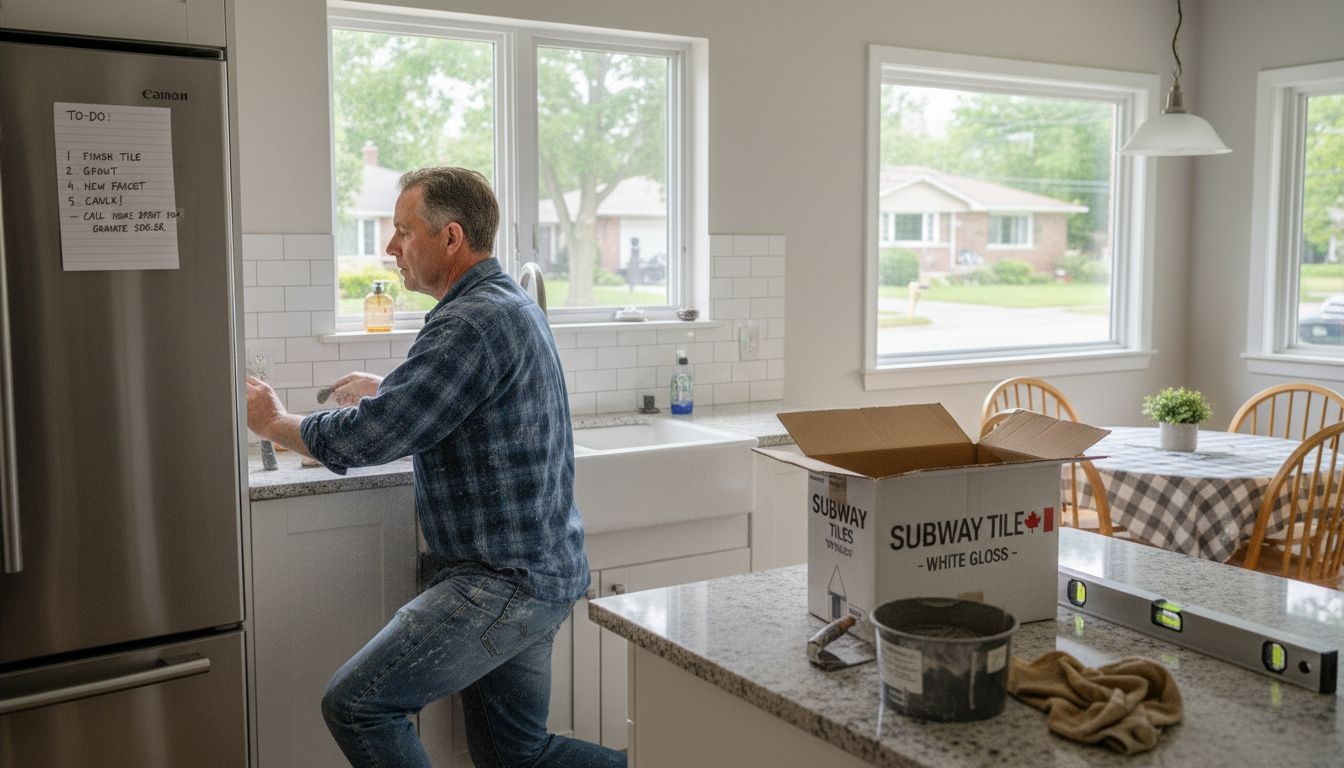
The local renovation ecosystem also demonstrates a growing emphasis on energy efficiency and sustainability. Homeowners are increasingly selecting projects that reduce long-term utility costs and minimize environmental impact. This includes upgrading insulation, installing smart home technologies, replacing windows with high-performance models, and integrating renewable energy solutions. Basement and attic conversions have gained substantial popularity, transforming underutilized spaces into functional home offices, recreation areas, or rental units that maximize residential potential.
Additional regional trends showcase a shift towards more personalized, multi-generational home configurations. Renovation projects now frequently incorporate adaptable design elements that accommodate changing family dynamics, such as ground-floor bedroom additions, wider doorways, and accessible bathroom modifications. Avoiding common renovation pitfalls becomes crucial in these complex projects.
Here is a comparison of popular Ontario renovation types and their typical benefits:
| Renovation Type | Main Purpose | Common Features | Typical Value Impact |
|---|---|---|---|
| Kitchen Remodel | Modernize and open space | Energy-efficient appliances, islands | High appreciation at resale |
| Bathroom Upgrade | Improve comfort and function | Premium fixtures, smart storage | Consistent value increase |
| Basement Conversion | Maximize usable area | Home office, rental suite options | Significant rental income potential |
| Energy Efficiency | Lower ongoing utility costs | Upgraded insulation, smart systems | Reduced expenses, eco appeal |
Pro Renovation Selection Tip: Prioritize renovations that offer the highest return on investment, focusing on projects that significantly improve both functional utility and potential resale value in the Ontario market.
How Renovations Add Value and Comfort
Home renovations represent a strategic investment that transcends mere aesthetic improvements, offering homeowners in Ontario a powerful mechanism for enhancing both property value and living quality. These carefully planned modifications not only transform residential spaces but also create tangible financial and lifestyle benefits that extend far beyond initial renovation costs. Understanding the nuanced relationship between renovation investments and home valuation requires a comprehensive examination of multiple interconnected factors.
The financial dimension of home renovations is particularly compelling in the Ontario real estate market. Strategic home additions and renovations can substantially increase property appraisal values, with certain targeted improvements delivering remarkable return on investment. Kitchen and bathroom renovations consistently demonstrate the highest value appreciation, typically recouping between 70-80% of their total project costs during resale. Modern homeowners recognize that these upgrades are not merely cosmetic enhancements but critical investments in their property’s long-term marketability and economic potential.
Beyond financial considerations, renovations profoundly impact residential comfort and functionality. Homeowners are increasingly designing living spaces that adapt to evolving lifestyle needs, incorporating flexible layouts, improved energy efficiency, and sophisticated technological integrations. These modifications address critical quality-of-life factors such as improved thermal performance, enhanced natural lighting, optimized spatial configurations, and integrated smart home technologies. By reimagining living environments, renovations transform houses from static structures into dynamic, responsive homes that genuinely support residents’ daily experiences.
The psychological benefits of home renovations should not be underestimated. Thoughtfully designed spaces can significantly reduce stress, improve mental well-being, and create environments that foster personal growth and familial connection. Whether through creating more open living areas, adding natural light, or developing dedicated spaces for work and recreation, renovations offer a tangible method of personalizing and improving one’s immediate living environment.
Pro Investment Tip: Prioritize renovations that balance personal enjoyment with potential resale value, focusing on improvements that offer both immediate comfort and long-term financial returns.
Legal Permits and Regional Building Codes
Navigating the complex landscape of legal permits and building codes represents a critical aspect of home renovation in Ontario. Homeowners must understand that these regulatory frameworks are not bureaucratic obstacles, but essential mechanisms designed to ensure safety, structural integrity, and long-term quality of residential construction projects. The intricate web of municipal, provincial, and regional regulations demands careful navigation and comprehensive understanding.
Building permits form the cornerstone of legal compliance for renovation projects. Toronto’s building permit guidelines illustrate the comprehensive approach municipalities take in regulating construction activities. These permits are mandatory for substantial renovations involving structural modifications, electrical system upgrades, plumbing alterations, and significant spatial reconfigurations. Homeowners must obtain appropriate approvals before commencing work, with specific requirements varying based on project scope, property location, and proposed changes.
The Ontario Building Code serves as the fundamental regulatory framework governing renovation standards across the province. This comprehensive document establishes precise technical requirements addressing structural safety, energy efficiency, accessibility, and environmental considerations. Different renovation types trigger distinct permit requirements – minor cosmetic updates might proceed without formal documentation, while projects involving load-bearing walls, electrical rewiring, or mechanical system modifications necessitate detailed professional submissions and municipal review. Contractors and homeowners must collaborate closely to ensure full compliance with these intricate regulatory standards.
Regional variations in building codes add another layer of complexity to renovation planning. While provincial standards provide a baseline, individual municipalities may implement additional local requirements reflecting unique geographic, environmental, and community considerations. This means renovation strategies must be tailored not just to project specifications, but also to specific municipal regulations. Heritage districts, environmental protection zones, and local zoning bylaws can significantly impact renovation possibilities, requiring meticulous research and potentially sophisticated legal and engineering consultations.
Pro Compliance Tip: Always consult local municipal building departments early in your renovation planning process, presenting detailed project plans to confirm specific permit requirements and ensure full regulatory compliance.
Financial Impact: Costs, Rebates, and Risks
Home renovation investments represent a complex financial landscape that demands strategic planning and comprehensive understanding. Homeowners must navigate a nuanced ecosystem of potential costs, potential returns, and inherent financial risks that can significantly impact their overall project success. The financial dimensions of home renovations extend far beyond simple expenditure, encompassing long-term value creation, potential market appreciation, and strategic personal investment.
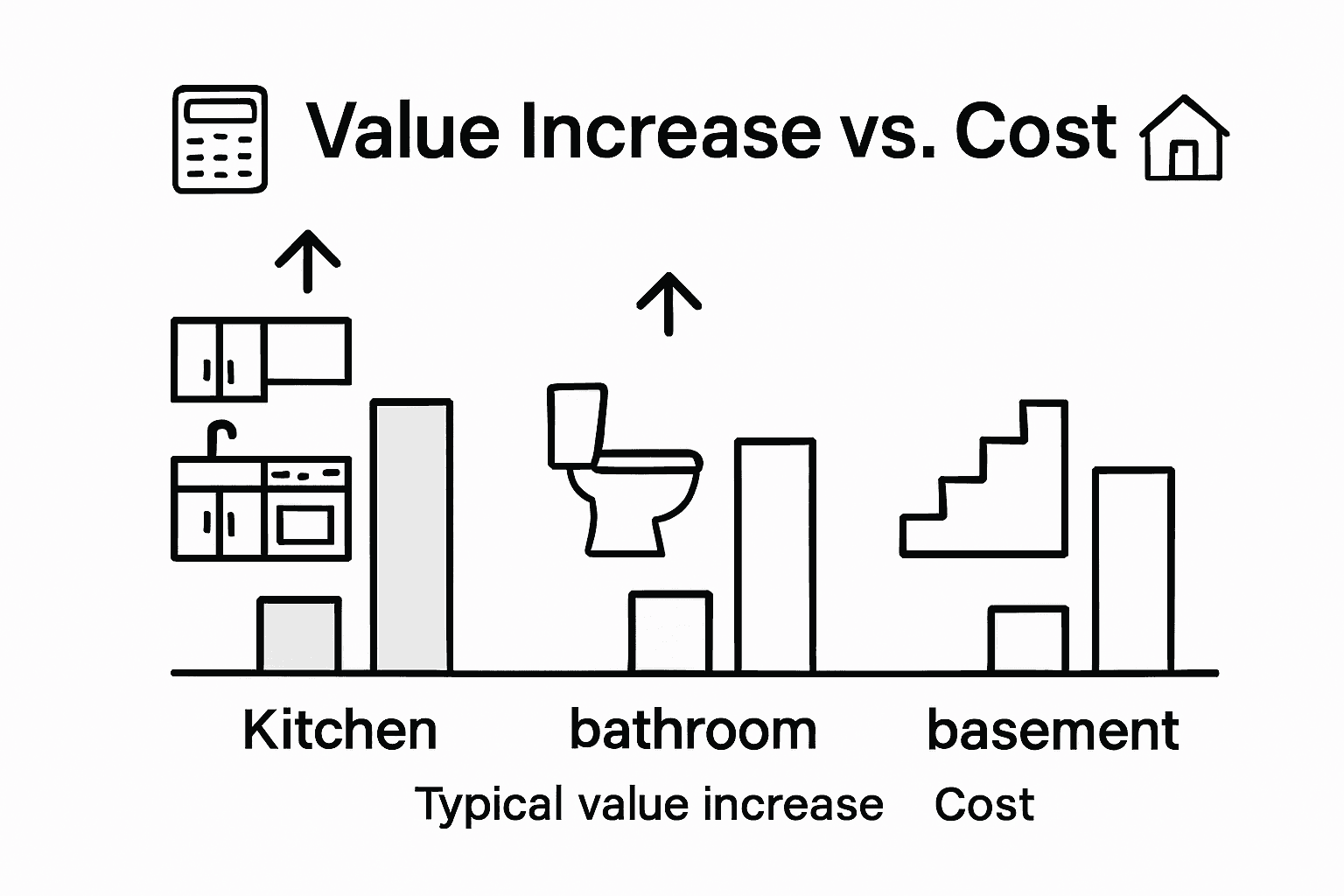
Recent home renovation spending trends reveal a dramatic shift in homeowner investment patterns. The median renovation project cost has surged by 60% since 2015, with high-end renovations approaching $150,000. This significant increase reflects broader economic pressures, including limited housing inventory and elevated mortgage rates, which are compelling homeowners to invest in upgrading existing properties rather than pursuing new home purchases. Kitchen and bathroom renovations continue to dominate investment strategies, offering the most substantial potential for value appreciation and functional improvement.
Home renovation financial risks require careful consideration, with potential challenges extending beyond direct project costs. Homeowners must be vigilant about contractor selection, project scope management, and potential unexpected expenses. The unregulated nature of certain renovation segments introduces additional complexity, necessitating thorough research, detailed contract negotiations, and comprehensive risk mitigation strategies. Ontario’s Consumer Protection Act provides some regulatory framework, but individual homeowners remain responsible for conducting due diligence and protecting their financial interests.
Strategic financial planning for renovations involves multiple considerations beyond immediate project expenses. Homeowners should evaluate potential energy efficiency rebates, tax incentives for sustainable upgrades, and long-term value appreciation. Municipal and provincial programs often provide financial support for specific renovation types, particularly those addressing environmental sustainability, accessibility improvements, or heritage preservation. Developing a comprehensive financial strategy requires balancing immediate project costs with potential long-term economic benefits, including increased property value, reduced utility expenses, and enhanced living quality.
The following table summarizes key financial factors for Ontario renovations:
| Cost Area | Key Considerations | Mitigation Strategy |
|---|---|---|
| Rising Project Costs | 60% increase since 2015 | Add 20-25% contingency fund |
| Rebates & Incentives | Available for energy upgrades, accessibility | Research municipal offers |
| Financial Risks | Contractor issues, unforeseen expenses | Detailed scope and contracts |
| Return on Investment | Highest for kitchens and bathrooms | Prioritize value-adding jobs |
Pro Financial Planning Tip: Create a comprehensive renovation budget that includes a 20-25% contingency fund to accommodate unexpected expenses and potential project complications.
Transform Your Ontario Home with Expert Renovations Today
Renovating your home in Ontario presents unique challenges such as navigating local building codes, choosing the right contractors, and making smart investments that increase both comfort and property value. If you are looking to modernize your kitchen, enhance energy efficiency, or convert your basement into a functional space, it is essential to have a trusted partner who understands these complexities and the local market.
At Henley Contracting, we bring over three decades of experience serving Durham, Kawartha Lakes, and Northumberland County homeowners. Our commitment to quality craftsmanship and personalized service ensures your renovation project meets legal requirements and aligns with your vision. Discover tailored solutions for your specific renovation goals by exploring our comprehensive Renovations services.

Don’t wait to unlock your home’s full potential and secure its long-term value. Visit Henley Contracting to learn how our expert team can guide you through every step of your renovation journey. For insights on creating adaptable living spaces that grow with your family, check out our Aging in Place resources today and take the first step toward your dream home.
Frequently Asked Questions
What are the primary benefits of renovating a home?
Renovating a home can enhance property value, improve functionality, and increase energy efficiency. Strategic upgrades not only make living spaces more enjoyable but can also lead to a significant return on investment during resale.
How much value can renovations typically add to a property?
Renovations like kitchen and bathroom upgrades can recoup approximately 70-80% of their costs upon resale, significantly increasing the property’s appraisal value and marketability.
What types of renovations are most popular among homeowners?
The most popular renovations include kitchen remodels, bathroom upgrades, basement conversions, and energy efficiency improvements, as these projects address both aesthetic and functional needs effectively.
Are legal permits required for home renovation projects?
Yes, obtaining building permits is crucial for substantial renovations, especially those involving structural modifications. Homeowners should consult local guidelines to ensure compliance with regional codes and regulations.