
Bathroom Renovation: Impact on Home Comfort and Value
Every year, thousands of Canadian homeowners invest in bathroom renovations, transforming outdated spaces into modern retreats. With property values on the rise and more than half of Canadian home improvement projects focusing on bathrooms, the right renovation goes beyond simple upgrades. Understanding what sets a Canadian bathroom renovation apart—from regional climate concerns to evolving design trends—can help you make choices that improve comfort, durability, and value in your home.
Key Takeaways
| Point | Details |
|---|---|
| Comprehensive Planning is Essential | A successful bathroom renovation requires careful planning, budgeting, and adherence to local building codes and permit regulations. |
| Understand Different Renovation Types | Homeowners should be aware of various renovation categories, from cosmetic updates to full-scale transformations, to make informed investment decisions. |
| Allocate for Unexpected Costs | It is advisable to set aside an additional 15-20% of your budget for unforeseen expenses that may arise during the renovation process. |
| Professional Guidance is Crucial | Consulting with professionals at each stage of the project helps mitigate risks and ensures compliance with safety and building standards. |
Defining Bathroom Renovation in Canadian Homes
Bathroom renovation represents a strategic home improvement process that goes far beyond merely updating fixtures and tiles. It involves a comprehensive transformation of one of the most personal and functional spaces in Canadian homes. These renovations typically encompass redesigning layout, replacing outdated elements, enhancing functionality, and ultimately increasing both aesthetic appeal and property value.
In the Canadian residential context, bathroom renovations often reflect unique regional considerations. Homeowners in colder provinces like Ontario prioritize features that provide warmth and comfort, such as heated flooring, robust insulation, and moisture-resistant materials that can withstand significant temperature variations. Residential renovation strategies must account for these specific environmental challenges, ensuring that bathroom upgrades are not just cosmetic but also practical and durable.
A comprehensive bathroom renovation typically involves multiple critical components: plumbing upgrades, electrical system modifications, flooring replacement, fixture installations, ventilation improvements, and aesthetic enhancements. Each element requires careful planning and professional expertise to ensure seamless integration and optimal performance. Modern Canadian bathroom renovations increasingly emphasize energy efficiency, accessibility, and sustainable design principles, reflecting evolving homeowner preferences and environmental consciousness.
Pro Renovation Strategy: Research local building codes and permit requirements before starting your bathroom renovation to ensure compliance and avoid potential legal complications during the project.
Pro Tip: Always allocate an additional 15-20% of your budget for unexpected expenses or potential structural discoveries during the renovation process.
Common Types of Bathroom Renovations
Bathroom renovations in Canadian homes range from minor cosmetic updates to comprehensive transformative projects. These renovations can be categorized into distinct types, each addressing specific homeowner needs and budget considerations. Understanding these categories helps homeowners make informed decisions about their renovation strategies and potential investment returns.
The first major category is cosmetic renovation, which focuses on surface-level improvements. These typically include painting, replacing fixtures, updating lighting, changing hardware, and installing new tiles or vanities. Such renovations are relatively affordable and can dramatically refresh a bathroom’s appearance without major structural changes. For homeowners seeking to avoid common renovation pitfalls, cosmetic updates offer a low-risk approach to bathroom enhancement.
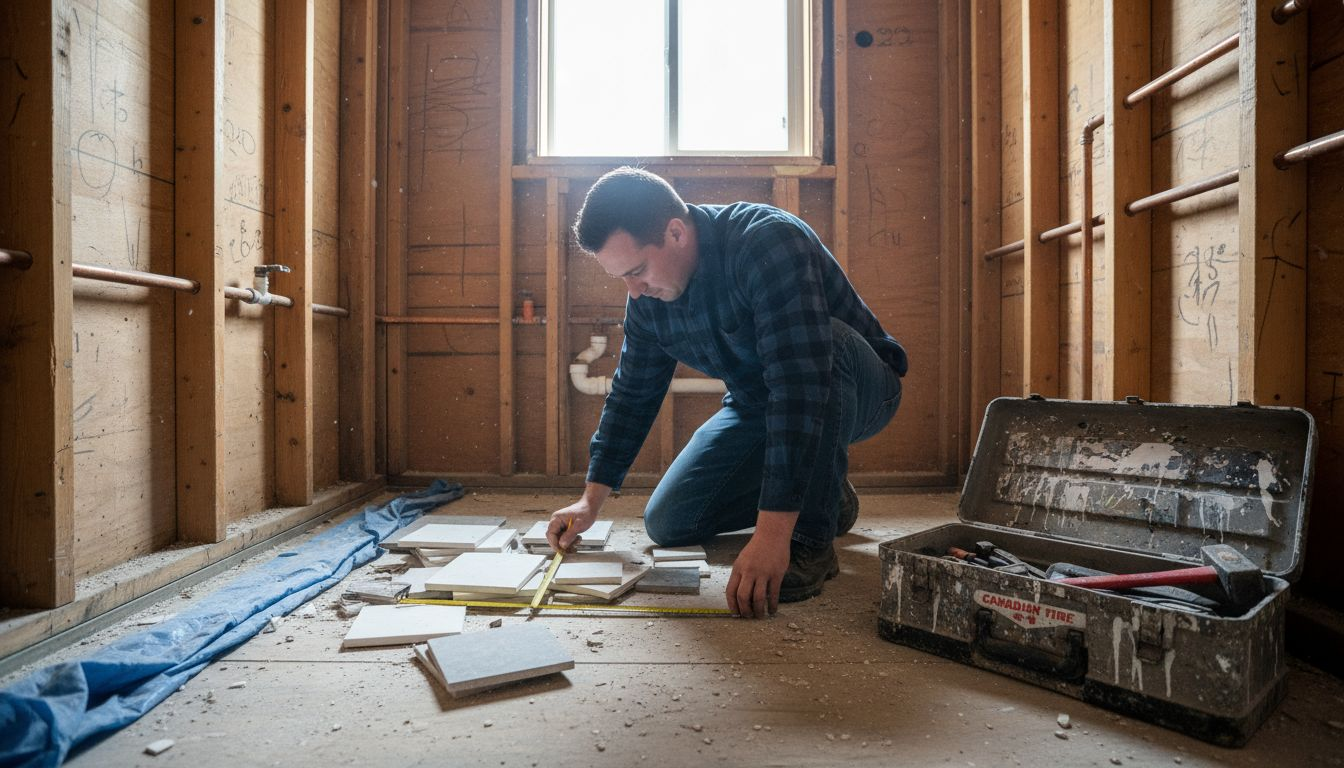
More extensive renovation types include functional remodelling and full-scale transformation. Functional remodelling involves reconfiguring the bathroom layout, upgrading plumbing and electrical systems, improving accessibility, and potentially expanding the space. Full-scale transformations are comprehensive projects that might involve relocating walls, changing the entire room’s footprint, installing advanced technological features, and completely reimagining the bathroom’s design and functionality. These more intensive renovations require professional expertise and typically represent a significant financial investment.
A third category emerging in Canadian homes is the sustainability-focused renovation. This approach prioritizes energy-efficient fixtures, water-saving technologies, eco-friendly materials, and designs that minimize environmental impact. Homeowners are increasingly interested in renovations that not only improve aesthetic appeal but also contribute to long-term energy savings and reduced ecological footprint.
Pro Renovation Strategy: Always obtain multiple professional quotes and carefully compare the scope of work before committing to a bathroom renovation project.
Pro Tip: Document every stage of your renovation with photographs and maintain a detailed project journal to track progress and expenses effectively.
Here’s a comparison of common types of bathroom renovations in Canadian homes:
| Renovation Type | Typical Scope | Average Investment | Potential Impact |
|---|---|---|---|
| Cosmetic | Surface upgrades, paint, fixtures | $5,000–$15,000 | Visual refresh, quick return |
| Functional Remodelling | Layout changes, new systems | $15,000–$30,000 | Better use, higher comfort |
| Full-Scale Transformation | Structural & tech overhaul | $30,000+ | Major value, modern features |
| Sustainability-Focused | Eco fixtures, recycled materials | Varies (added premium) | Long-term savings, eco impact |
Essential Steps in a Renovation Project
A successful bathroom renovation requires a systematic and strategic approach that encompasses multiple critical stages. Homeowners must navigate a complex process that involves careful planning, budgeting, design conceptualization, and precise execution. Professional renovation management plays a crucial role in transforming a vision into a functional and aesthetically pleasing reality.
The initial phase involves comprehensive project assessment and planning. This critical stage includes conducting a detailed bathroom space evaluation, measuring precise dimensions, identifying structural limitations, and establishing clear renovation objectives. Homeowners should develop a realistic budget, research design inspirations, and create a comprehensive project scope that outlines specific goals, expected outcomes, and potential challenges. Professional input during this stage can help anticipate potential complications and develop strategic mitigation strategies.
Subsequent steps involve securing necessary permissions and professional expertise. This includes obtaining municipal building permits, consulting with licensed plumbers and electricians, and selecting reputable contractors who specialize in bathroom renovations. Homeowners must carefully review contractor credentials, examine previous work portfolios, and verify insurance and certification details. Detailed contracts outlining project timelines, specific deliverables, material specifications, and payment schedules are essential for establishing clear expectations and preventing potential misunderstandings.
The final stages of a bathroom renovation project focus on implementation and quality assurance. This involves coordinating material procurement, managing demolition and construction processes, conducting regular site inspections, and ensuring adherence to original design specifications. Effective communication between homeowners and renovation professionals throughout the project is crucial for addressing unexpected challenges, making real-time adjustments, and maintaining project momentum.
Pro Renovation Strategy: Create a detailed project timeline with built-in buffer periods to accommodate potential unexpected delays or complications.
Pro Tip: Maintain a dedicated renovation folder with all project documentation, including contracts, permits, design plans, and communication records to ensure smooth project management.
Ontario Codes and Regional Permit Requirements
Bathroom renovations in Ontario are subject to stringent regulatory frameworks that ensure safety, structural integrity, and compliance with provincial building standards. Understanding these complex requirements is crucial for homeowners planning renovation projects. Bathroom renovation costs and permit regulations highlight the intricate relationship between local building codes and project planning.
The Ontario Building Code serves as the primary regulatory document governing renovation projects. This comprehensive framework outlines specific requirements for plumbing, electrical work, ventilation, structural modifications, and accessibility standards. Municipalities within Ontario have additional local regulations that may impose further restrictions or requirements beyond provincial guidelines. Key permit considerations include structural changes, electrical system modifications, plumbing reconfigurations, and alterations that impact the home’s overall footprint or mechanical systems.
Permit requirements vary depending on the scope of renovation work. Minor cosmetic updates typically do not require formal permits, while projects involving structural modifications, electrical rewiring, or significant plumbing changes mandate formal municipal approval. Homeowners must submit detailed renovation plans, including architectural drawings, technical specifications, and proposed modifications. These submissions are carefully reviewed by municipal building departments to ensure compliance with safety standards, zoning regulations, and structural integrity requirements.
Navigation of permit processes demands meticulous documentation and proactive communication with local authorities. Homeowners should anticipate potential review periods, potential additional information requests, and associated fees. Professional contractors familiar with local regulatory landscapes can provide invaluable guidance in preparing comprehensive permit applications and navigating potential bureaucratic complexities.
Pro Renovation Strategy: Consult with local municipal building departments early in your renovation planning to understand specific permit requirements for your project.
Pro Tip: Maintain a comprehensive file of all permit documentation, including original applications, approved plans, and correspondence with municipal authorities to ensure smooth project progression.
Costs, Timelines, and Avoiding Pitfalls
Bathroom renovations represent significant financial and time investments that require meticulous planning and strategic decision-making. Comprehensive renovation cost analysis reveals that average bathroom renovation expenses in Ontario can range dramatically based on project complexity, material selections, and scope of work. Homeowners must develop nuanced budgeting strategies that account for both anticipated expenses and potential unexpected challenges.
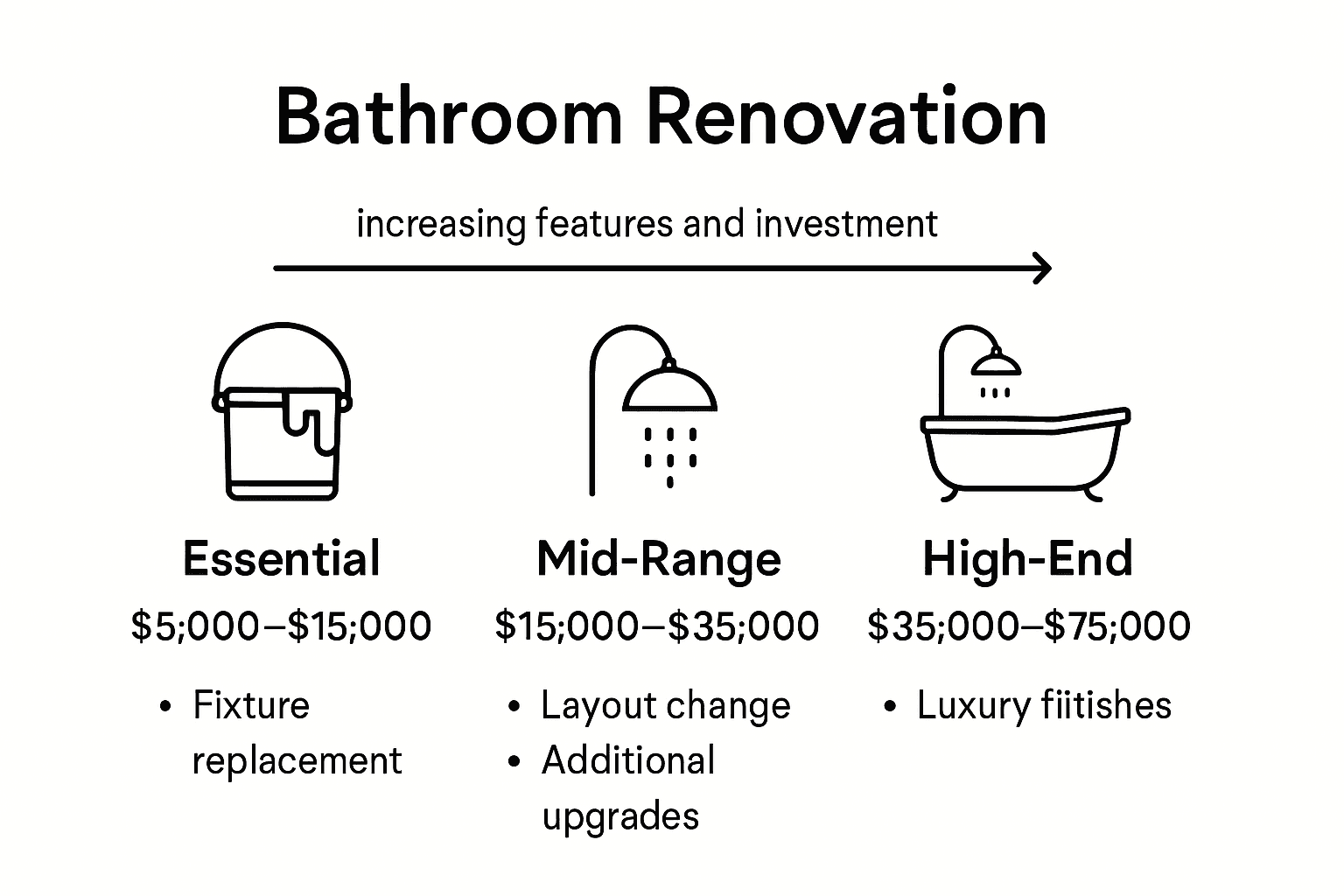
Typical bathroom renovation projects in Ontario can be categorized into three primary investment tiers. Basic renovations typically range from $5,000 to $15,000, focusing on surface-level updates like painting, fixture replacements, and minor aesthetic improvements. Mid-range renovations spanning $15,000 to $30,000 involve more substantial modifications, including tile work, vanity replacements, and partial system upgrades. Comprehensive transformations exceeding $30,000 encompass complete structural reconfiguration, high-end material selections, advanced technological integrations, and potential layout modifications.
Timeline management represents another critical aspect of successful bathroom renovations. Most residential bathroom projects require approximately 4 to 8 weeks for completion, depending on project complexity and potential unforeseen complications. Professional contractors recommend allocating additional buffer periods to accommodate potential delays related to material procurement, unexpected structural issues, or permit processing. Factors influencing project duration include the extent of structural modifications, complexity of plumbing and electrical work, custom design elements, and coordination of multiple trade professionals.
To mitigate potential renovation risks, homeowners should implement proactive strategies. These include maintaining detailed documentation, establishing clear communication channels with contractors, conducting thorough initial assessments, and maintaining financial flexibility. Unexpected challenges such as hidden moisture damage, outdated electrical systems, or structural inconsistencies can significantly impact project timelines and budgets.
Pro Renovation Strategy: Develop a comprehensive contingency fund representing 15-20% of your total renovation budget to address potential unexpected expenses.
Pro Tip: Schedule regular progress meetings with your renovation team to maintain transparency, track project milestones, and quickly address any emerging challenges.
Below is a summary of factors affecting bathroom renovation costs and timelines in Ontario:
| Factor | Typical Range or Challenge | Effect on Project |
|---|---|---|
| Material Quality | Basic to luxury finishes | Drives overall cost |
| Project Complexity | Simple updates to full reworks | Affects duration, risk |
| Permit Requirements | Varies by municipality | May extend project start |
| Unexpected Discoveries | Hidden damage or code issues | Requires contingency budget |
| Contractor Availability | Varies by season and demand | Can add scheduling delays |
Enhance Your Home Comfort and Value with Expert Bathroom Renovations
Struggling to balance functionality and style in your bathroom renovation? The article highlights common challenges such as managing complex projects, navigating Ontario permit requirements, and avoiding costly pitfalls while aiming for increased comfort and property value. At Henley Contracting, we understand the importance of strategic planning, quality craftsmanship, and meeting local building codes to deliver renovations that truly transform your space.
Discover how our seasoned team with over 30 years of experience can guide you through every stage of your bathroom upgrade. Whether you want a cosmetic refresh or a full-scale transformation, our expertise in Renovations ensures your project stays on budget and on schedule. Don’t let uncertainty delay your home’s improvement. Visit Henley Contracting today to request a consultation and take the first step towards a bathroom that enhances comfort and adds lasting value. For insights into our broader range of services, explore our Uncategorized articles to discover tips and inspiration tailored for Canadian homeowners.
Frequently Asked Questions
What are the primary benefits of bathroom renovation?
Bathroom renovations enhance home comfort by improving functionality, increasing energy efficiency, and updating the aesthetic appeal of the space. They can also significantly boost the overall value of the property.
What types of renovations can I consider for my bathroom?
Common types of bathroom renovations include cosmetic upgrades, functional remodelling, full-scale transformations, and sustainability-focused renovations that incorporate eco-friendly materials and energy-efficient fixtures.
How can I ensure compliance with building codes during my renovation?
Consulting with local building departments early in the planning process is crucial. Obtaining the necessary permits and understanding specific local regulations will help ensure compliance with building codes throughout the renovation.
What is the average cost range for bathroom renovations?
Bathroom renovation costs can vary widely based on the scope of work. Basic renovations typically range from $5,000 to $15,000, while mid-range renovations can go from $15,000 to $30,000, and full-scale transformations exceed $30,000.