
7 Types of Residential Renovations Every Homeowner Should Know
Finding the right approach to home renovations can feel overwhelming for many Canadian homeowners. With more than 80 percent of Canadians citing functionality as a top priority for their living spaces, choosing which upgrades matter most is essential. This guide highlights the most impactful renovation trends, from kitchen transformations to energy efficient projects, revealing practical ways to maximize comfort, style, and long term value in your Canadian home.
Quick Summary
| Key Insight | Explanation |
|---|---|
| 1. Budget for Unexpected Costs | Always allocate 15 to 20 percent of your renovation budget for unforeseen challenges to avoid financial strain. |
| 2. Choose High-Performance Appliances | Invest in modern, efficient appliances that enhance kitchen functionality and reduce energy consumption. |
| 3. Prioritize Strategic Layout Planning | Design layouts that optimize workflow and maximize usable space, especially in kitchens and bathrooms. |
| 4. Incorporate Smart Home Technology | Integrate smart devices and systems that improve convenience and energy efficiency in renovations. |
| 5. Ensure Compliance with Building Codes | Always obtain necessary permits and follow local regulations to avoid legal complications in renovations. |
1. Kitchen Renovations for Modern and Functional Spaces
Kitchen renovations represent one of the most impactful home improvement projects a homeowner can undertake. Modern kitchens are no longer just cooking spaces they are dynamic, multi functional environments that blend style with practicality.
The current trend focuses on creating open concept layouts that maximise both visual appeal and functional efficiency. Level One Construction highlights emerging design strategies emphasizing minimalist cabinetry, smart appliance integration, and streamlined work zones that enhance both aesthetic and practical requirements.
Key considerations for modern kitchen renovations include strategic layout planning, high performance appliances, and intelligent storage solutions. Homeowners should prioritise creating workflow patterns that reduce unnecessary movement and maximise counter space. This might involve repositioning major appliances, introducing kitchen islands with integrated workspace, or implementing pull out pantry systems.
Modern kitchens increasingly incorporate smart technology seamlessly into design. Consider built in charging stations, touchless faucets, WiFi enabled refrigerators, and integrated sound systems that transform cooking from a mundane task to an engaging experience.
Pro Tip: Always allocate 15 to 20 percent of your renovation budget for unexpected challenges or design modifications during kitchen remodelling to ensure smooth project progression and prevent financial strain.
2. Bathroom Upgrades to Boost Comfort and Value
Bathroom renovations are strategic investments that significantly enhance both home comfort and property value. These spaces represent more than functional areas they are personal sanctuaries that reflect individual style and practical needs.
Budget friendly bathroom upgrades can transform your space without extensive financial strain, focusing on targeted improvements that deliver maximum impact. The key strategy involves applying the 80/20 renovation rule, which means concentrating investments on modifications that provide the most substantial returns.
Priority upgrades include modern fixtures, efficient water systems, and aesthetic enhancements that create visual harmony. Homeowners should consider replacing outdated vanities, installing contemporary lighting solutions, and selecting water efficient toilets and showerheads that reduce utility costs while improving functionality.
Material selection plays a critical role in bathroom renovations. Combining different textures and finishes strategically can create visual interest without overwhelming the space. Porcelain tiles with subtle patterns, quartz countertops, and matte black or brushed nickel hardware can elevate the bathroom aesthetic while maintaining a cohesive design language.
Accessibility and comfort are increasingly important considerations. Incorporating features like walk in showers, adjustable height fixtures, and non slip flooring can future proof your bathroom and appeal to a broader range of potential buyers.
Pro Tip: Always allocate 10 to 15 percent of your renovation budget for unexpected plumbing or structural modifications to prevent potential complications during the bathroom upgrade process.
3. Basement Finishing for Extra Living Space
Basement renovations represent one of the most strategic home improvement investments a homeowner can undertake. These versatile spaces offer tremendous potential for expanding functional living areas without requiring additional property footprint.
Comprehensive basement finishing involves careful planning and strategic design considerations that transform underutilised areas into vibrant, comfortable living spaces. Homeowners can convert these previously neglected zones into multipurpose rooms such as home offices, recreational areas, guest suites, or rental income opportunities.
Key renovation strategies include addressing moisture control, ensuring proper insulation, and creating flexible architectural layouts. Moisture management is particularly critical in basement environments to prevent potential structural damage and maintain indoor air quality. This requires professional assessment of foundation waterproofing, proper drainage systems, and vapour barrier installations.
Modern basement renovations increasingly focus on creating seamless integrations with existing home designs. This means selecting complementary colour palettes, flooring materials, and lighting solutions that enhance the overall aesthetic while providing functional value. Consider options like luxury vinyl plank flooring, recessed lighting, and neutral wall colours that make the space feel open and inviting.
Additionally, homeowners should prioritise building code compliance and obtain necessary municipal permits. This ensures electrical, structural, and safety standards are met, protecting both the investment and potential future resale value.
Pro Tip: Always allocate an extra 15 to 20 percent of your total budget for unexpected structural modifications or remediation work that might arise during basement renovation projects.
4. Home Additions to Expand Your Living Area
Home additions represent a powerful strategy for homeowners seeking to enhance living spaces without relocating. These strategic expansions can dramatically increase both property functionality and market value, transforming existing structures into more adaptable environments.
Thoughtful home addition planning requires comprehensive understanding of architectural and municipal considerations that go well beyond simple square footage increases. Successful additions blend seamlessly with existing home designs, maintaining architectural integrity while addressing specific lifestyle needs.
Key considerations for home additions include structural compatibility, zoning regulations, and functional design integration. Homeowners must carefully evaluate their property’s current configuration, understanding load bearing walls, existing utility systems, and potential expansion limitations before commencing construction.
Popular addition types range from ground level extensions like family rooms and kitchen expansions to second storey additions that create entire new living quarters. Each approach offers unique advantages depending on family requirements, budget constraints, and property characteristics. Multigenerational families might prioritise creating separate living spaces, while growing families could focus on additional bedroom and bathroom configurations.
Budget planning is crucial in home addition projects. Typically, homeowners should anticipate investing between 10 to 20 percent of their current property value to achieve meaningful spatial improvements. This investment includes not just construction costs but also potential upgrades to electrical, plumbing, and heating systems required to support the new living area.
Pro Tip: Always obtain comprehensive municipal permits and consult professional architects or contractors before initiating any home addition project to ensure compliance with local building codes and avoid potential legal complications.
5. Energy-Efficient Renovations for Cost Savings
Energy efficient renovations represent a strategic approach to reducing household utility expenses while simultaneously enhancing home comfort and environmental sustainability. These targeted improvements can significantly lower monthly energy consumption and provide substantial long term financial benefits.
Strategic home upgrades can dramatically reduce energy expenditures by focusing on critical systems and structural components that impact overall thermal performance and efficiency.
Key energy efficient renovation strategies include comprehensive insulation upgrades, high performance window installations, and advanced heating and cooling system improvements. Homeowners should prioritise addressing thermal envelope weaknesses that contribute to unnecessary energy loss, such as inadequate wall and attic insulation, air leakage points, and outdated mechanical systems.
Window replacements offer particularly compelling returns on investment. Modern triple glazed windows with low emissivity coatings can reduce heat transfer by up to 50 percent compared to traditional double glazed units. These advanced window technologies create superior thermal barriers while allowing natural light transmission.
Smart home technologies provide additional opportunities for energy management. Programmable thermostats, energy monitoring systems, and zone heating controls enable precise temperature regulation and consumption tracking. These technologies empower homeowners to make data driven decisions about their energy usage patterns.
Pro Tip: Always conduct a professional energy audit before initiating major renovation projects to identify the most impactful and cost effective efficiency improvements for your specific property.
6. Exterior Improvements for Curb Appeal
Exterior home improvements are strategic investments that dramatically enhance property value and create lasting first impressions. These visual transformations not only reflect homeowner pride but also significantly impact market perception and potential resale opportunities.
Strategic exterior renovations can increase property value by up to 10 percent through targeted and thoughtful design modifications that highlight architectural strengths.
Key exterior improvement strategies include landscaping enhancements, architectural detailing, and selective facade upgrades. Homeowners should focus on creating harmonious visual narratives that complement existing architectural styles while introducing contemporary design elements.
Landscaping plays a critical role in curb appeal. Professionally designed front yards with native plant selections, structured garden beds, and well maintained lawn areas create inviting approaches. Consider implementing multilevel garden designs that provide visual depth, incorporating perennial plants that offer year round structural interest and reduce ongoing maintenance requirements.
Architectural enhancements such as updated exterior paint colours, refreshed trim work, and strategically placed exterior lighting can transform home appearances. Modern colour palettes that respect neighbourhood aesthetic while introducing subtle contemporary touches can revitalise older properties without requiring extensive reconstruction.
Pro Tip: Select exterior improvement projects that offer maximum visual impact with minimum financial investment, prioritising paint refreshes, landscaping updates, and targeted architectural detailing over complete structural modifications.
7. Structural Repairs to Ensure Home Safety
Structural repairs represent critical interventions that protect both the physical integrity of a home and the safety of its inhabitants. These essential maintenance activities address foundational weaknesses, prevent potential catastrophic failures, and mitigate long term structural degradation.
Strategic structural assessments can identify potential vulnerabilities before they become significant safety hazards through comprehensive professional evaluations.
Critical structural repair areas include foundation stabilisation, load bearing wall assessments, roof structural integrity, and moisture damage prevention. Homeowners must proactively monitor potential warning signs such as wall cracks, uneven flooring, persistent moisture intrusion, and structural shifting that might indicate underlying structural compromises.
Foundation repairs demand immediate attention when early indicators emerge. Symptoms like horizontal wall cracks, persistent basement moisture, or noticeable floor slope variations can signal serious structural movement. Professional structural engineers can provide precise diagnostic assessments using advanced technologies like ground penetrating radar and laser level measurements.
Roof structural systems require particular vigilance in Canadian climate conditions. Regular inspections can identify potential wood rot, truss degradation, and load bearing complications that might compromise overall home structural performance. Addressing these issues promptly prevents exponential damage and potential safety risks.
Pro Tip: Schedule professional structural assessments every three to five years, or immediately following significant environmental events like severe storms, prolonged moisture exposure, or noticeable structural changes.
Below is a comprehensive table summarizing the key renovation strategies and considerations presented throughout the article.
| Topic | Description | Key Considerations |
|---|---|---|
| Kitchen Renovations | Modern kitchens blend style with functionality, focusing on open concept layouts and smart technology integration. | Allocate 15-20% of budget for unexpected challenges; prioritise layout, appliances, and storage. |
| Bathroom Upgrades | Transformative upgrades enhance comfort and property value using the 80/20 rule for effective investments. | Allocate 10-15% of budget for unexpected issues; focus on fixtures, aesthetics, and accessibility. |
| Basement Finishing | Basements can become versatile living spaces through strategic moisture control and seamless design integration. | Prioritise moisture management and code compliance; budget for unexpected structural needs. |
| Home Additions | Expanding living area without relocating; requires thoughtful planning for structural and zoning compliance. | Invest 10-20% of property value; ensure comprehensive planning and professional consultations. |
| Energy Efficient Renovations | Reduce utility expenses and improve comfort through insulation, windows, and smart technologies. | Conduct energy audits; prioritise insulation and heating/cooling system upgrades. |
| Exterior Improvements | Enhances property value and curb appeal with targeted landscaping and architectural detailing. | Focus on impactful changes like paint and landscaping within budget constraints. |
| Structural Repairs | Essential for safety; addresses foundational and structural weaknesses to prevent damage. | Schedule regular assessments; address issues immediately to prevent further complications. |
Transform Your Home with Expert Residential Renovations
Are you ready to address common renovation challenges like modernizing your kitchen, upgrading your bathroom, finishing your basement, or making energy efficient improvements? These home transformations require knowledgeable planning around strategic layout design, moisture control, structural integrity, and cost management. At Henley Contracting, we understand the importance of combining aesthetic appeal with functional efficiency to bring your vision to life while safeguarding your investment.
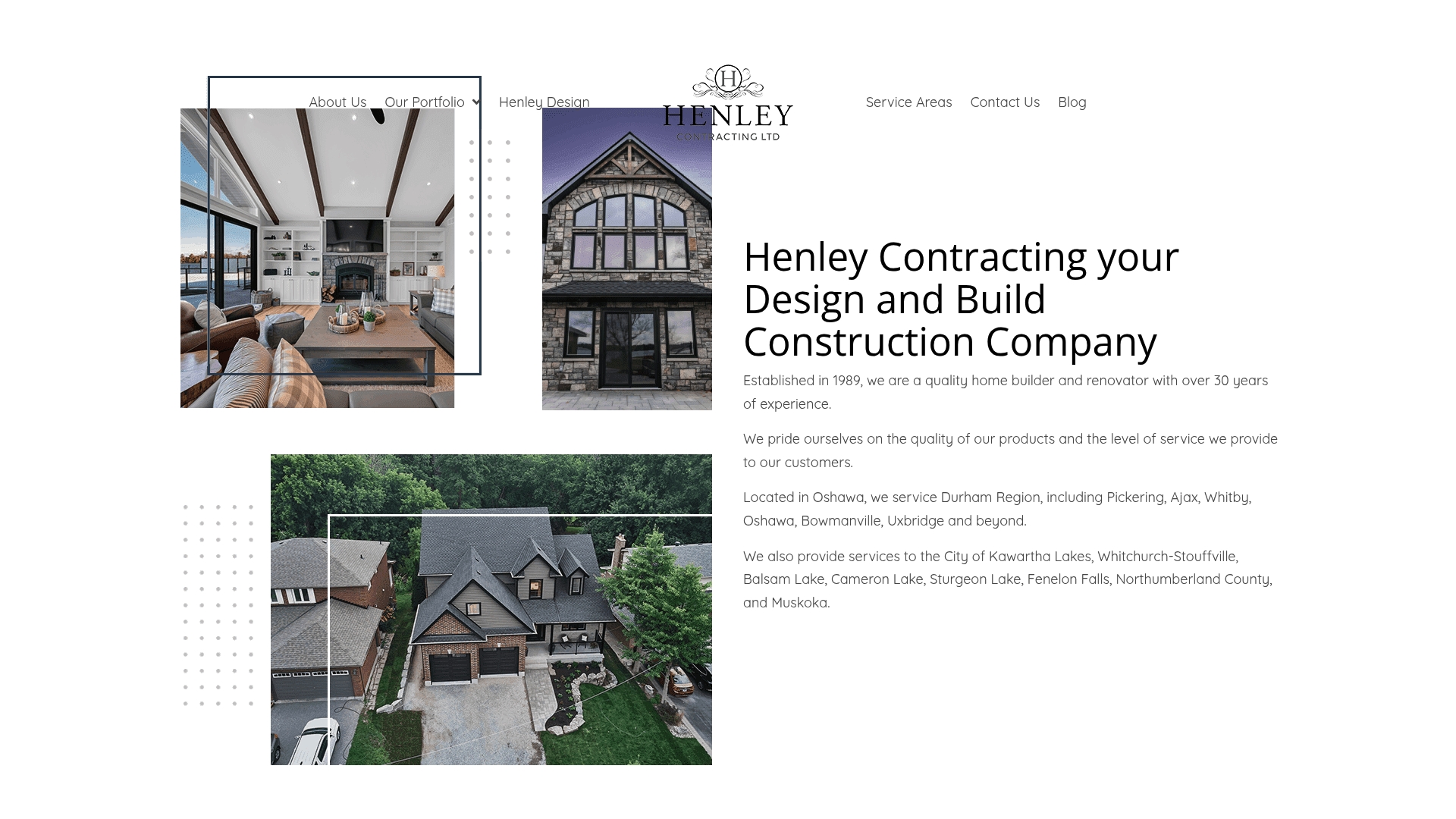
Discover how our experienced team supports homeowners across Durham, Kawartha Lakes, and Northumberland County in navigating these critical renovation projects with confidence. Visit our Renovations page to explore solutions tailored to your needs. Whether you are planning a full home addition or essential structural repairs, our expert craftsmanship and local insight position us as your trusted partner. Take the first step to elevate your living space today by connecting with us at henleycontracting.com. For seniors or those planning ahead, also check our Aging in Place resources to ensure your home remains comfortable and safe for years to come.
Frequently Asked Questions
What are the most impactful types of residential renovations?
Kitchen renovations, bathroom upgrades, basement finishing, home additions, energy-efficient renovations, exterior improvements, and structural repairs are some of the most impactful types. Consider prioritising these projects based on your specific needs and budget to enhance both functionality and value.
How can I budget effectively for home renovations?
Create a comprehensive budget that includes not only construction costs but also a contingency fund of about 10% to 20% for unexpected expenses. This approach ensures you are financially prepared for any unforeseen challenges during the renovation process.
What should I consider before starting a kitchen renovation?
Focus on strategic layout planning, high-performance appliances, and effective storage solutions. Evaluate the workflow in your kitchen and consider allocating additional space for an island to improve functionality and aesthetics.
How do I ensure my bathroom renovations add value to my home?
Prioritise modern fixtures, efficient water systems, and aesthetic enhancements while following the 80/20 renovation rule. Invest in updates that provide substantial returns, like contemporary lighting and water-efficient toilets, to create a desirable space.
What are the key steps for finishing a basement?
Start with moisture control and insulation to prevent issues, then design a flexible layout suitable for your family’s needs. Ensure that any renovation complies with local building codes and obtain the necessary permits to safeguard your investment.
Why is energy efficiency important in home renovations?
Energy-efficient renovations can significantly lower your utility bills and enhance home comfort. Focus on upgrading insulation, windows, and heating systems to improve overall energy performance, potentially reducing costs by up to 30% over time.