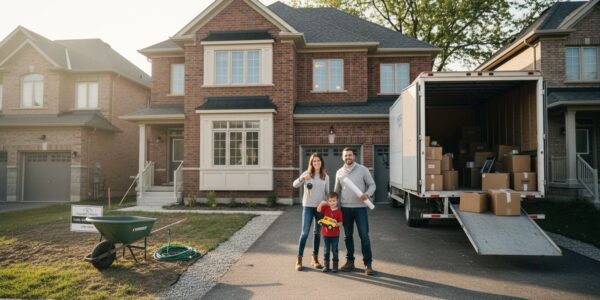
Step by Step Custom Home Build Guide Ontario
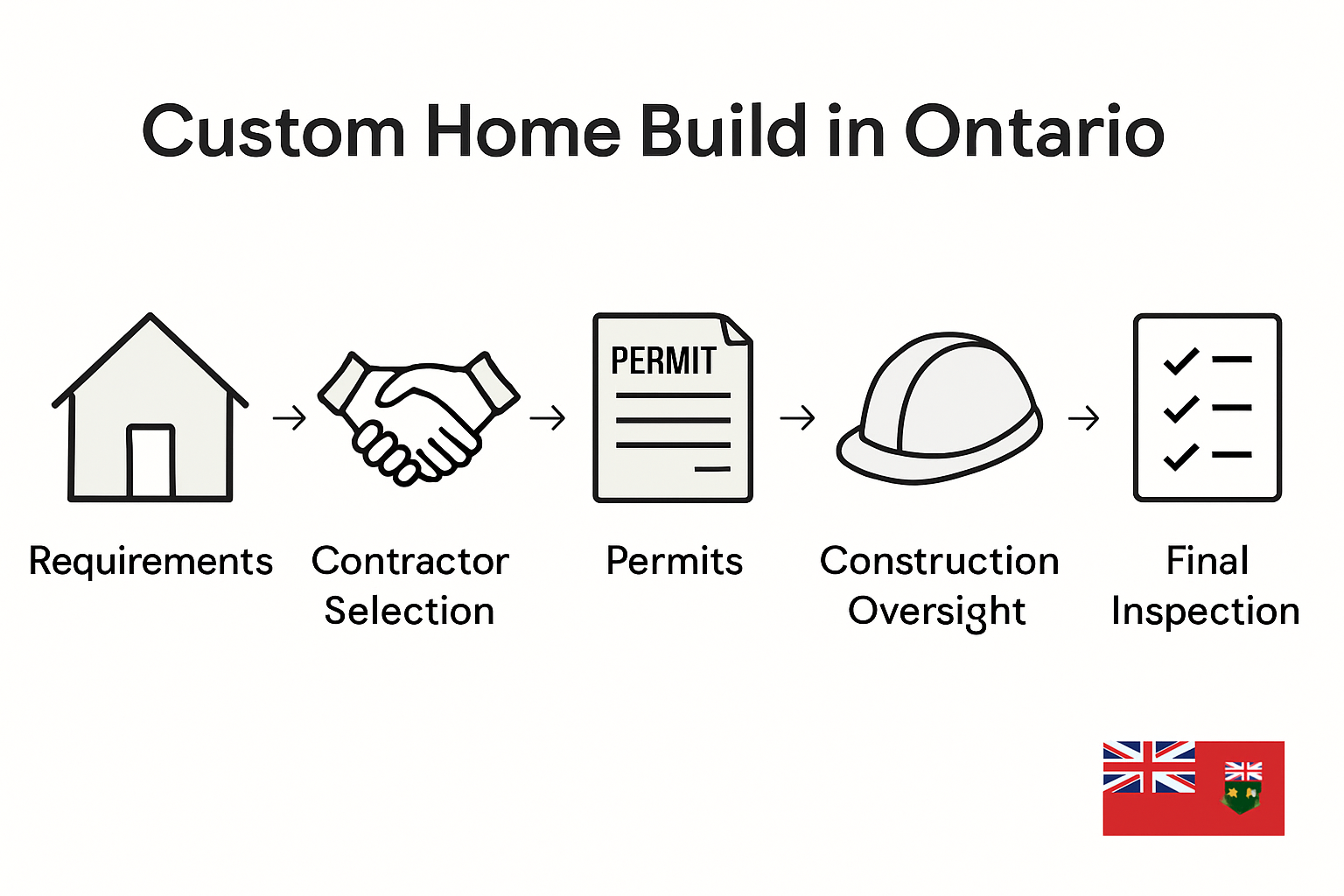
Over 80 percent of Canadian homeowners say creating a custom home is their ultimate goal, yet many are surprised by just how complex the process can be. Every step, from the initial wish list to final inspections, carries unique requirements that shape the end result. Learning how to define priorities, hire the right experts, and navigate local Ontario regulations saves time and avoids costly setbacks, helping you turn your dream home into reality.
Quick Summary
| Main Insight | Explanation |
|---|---|
| 1. Define clear custom home requirements | Consider practical needs and desires to create a prioritized wishlist, setting the foundation for your home design. |
| 2. Select qualified local contractors | Vet contractors based on experience, references, and communication style to ensure they align with your project goals. |
| 3. Understand permits and building codes | Thoroughly research local regulations and prepare necessary documentation to avoid delays during the construction process. |
| 4. Collaborate effectively on design | Maintain open communication with your architect and contractor, emphasizing must-have features while being flexible about design aspects. |
| 5. Oversee construction with strict quality checks | Regularly inspect progress against plans and building codes, ensuring any discrepancies are immediately addressed to maintain high standards. |
Step 1: Define your custom home requirements
Defining your custom home requirements is the critical first phase that transforms your dream home from an abstract concept into a concrete blueprint. By carefully articulating your vision, budget, and specific needs, you set the foundation for a successful home build in Ontario. Understanding zoning laws and location considerations becomes essential in this initial planning stage.
Start by creating a comprehensive wishlist that encompasses both practical requirements and aspirational features. Consider your family’s current lifestyle and potential future needs. How many bedrooms do you require? What specific functional spaces matter most to you – a home office, a large kitchen for entertaining, or dedicated workout areas? Your list should include must-have elements versus nice-to-have amenities. Some homeowners find it helpful to create a ranked priority system, helping contractors understand which design aspects are non-negotiable and where flexibility might exist.
Carefully document your budget parameters, understanding that Ontario custom home builds typically range between $300 to $500 per square foot. Selecting the right contractor who understands your vision becomes crucial at this stage. Transparency about financial constraints ensures realistic expectations and prevents potential misunderstandings later in the construction process. Pro tip: Always include a 10-15% contingency buffer in your budget for unexpected expenses or design modifications.
The next step involves translating your requirements into preliminary design concepts that will guide your discussions with architects and builders.
Step 2: Select experienced local contractors
Selecting the right contractor is a pivotal decision that will significantly influence the success of your custom home build in Ontario. Your chosen professional must possess not only technical expertise but also a deep understanding of local building regulations and regional construction nuances. Avoiding common renovation mistakes begins with thoroughly vetting potential contractors.
Start by creating a comprehensive selection process that goes beyond simple price comparisons. Research local contractors with proven experience in custom home construction within the Durham Region and Kawartha Lakes area. Look for professionals who hold valid licences, carry comprehensive insurance, and have a documented history of successful projects. Request and carefully review portfolios, checking references, and examining past builds that demonstrate similar scope and complexity to your vision.
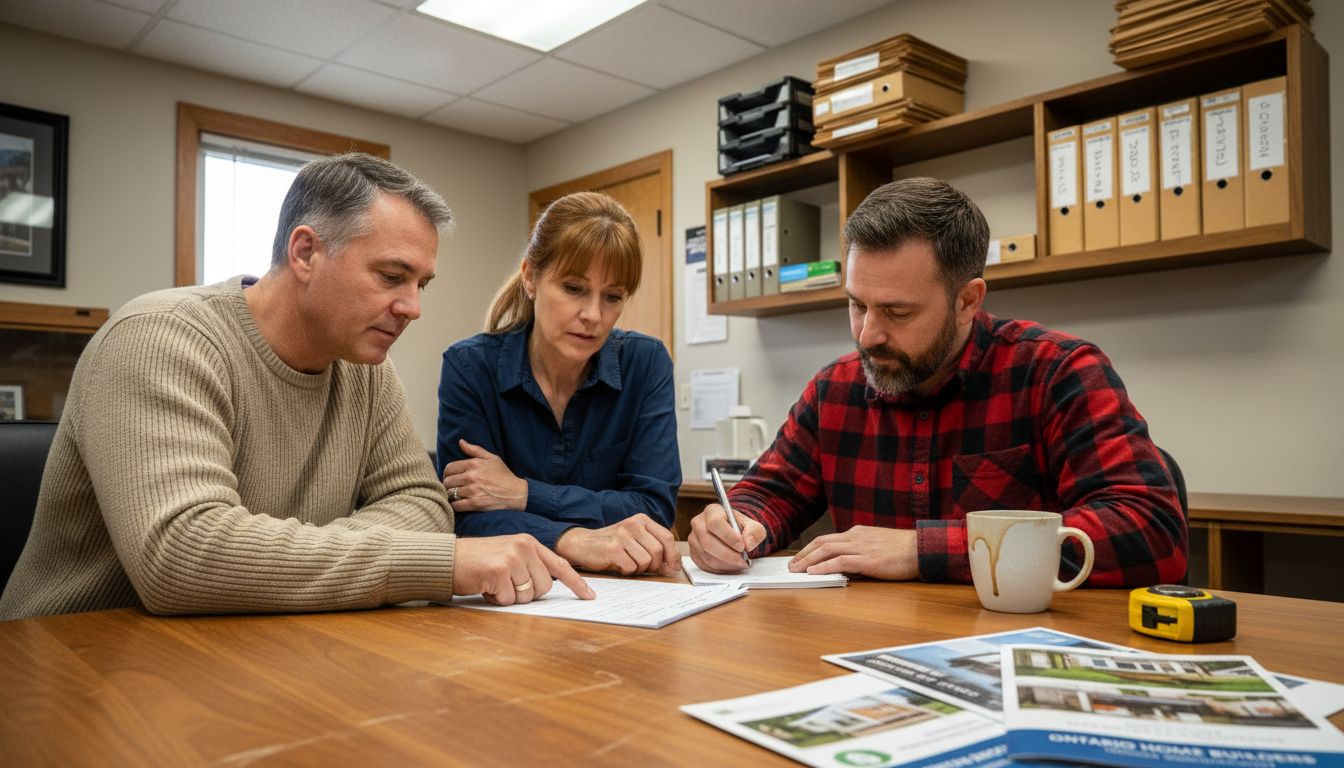
During initial consultations, pay close attention to communication styles and professional transparency. A reputable contractor should provide detailed written estimates, clear timelines, and be willing to discuss potential challenges specific to your project. Verify their credentials with the Ontario Home Builders Association and request proof of workplace safety insurance. Pro tip: Always interview multiple contractors and trust your instincts about their professionalism, communication skills, and alignment with your project goals.
The subsequent step involves developing a comprehensive contract that clearly outlines project specifications, budget parameters, and mutual expectations.
Step 3: Navigate Ontario permits and codes
Navigating the complex landscape of Ontario building permits and codes is a critical step in your custom home construction journey. Understanding these regulatory requirements ensures your project meets all legal standards and avoids potential costly delays. Building permits in Ontario represent more than bureaucratic paperwork they are essential safeguards protecting homeowners and ensuring construction quality.
Begin by thoroughly researching local municipal requirements in your specific region. Each municipality within Ontario may have unique zoning bylaws and specific permit application processes. Collect comprehensive documentation including property surveys, detailed architectural drawings, site plans, and energy efficiency calculations. Upcoming Building Code changes effective January 2025 introduce additional considerations for housing supply and safety standards that could impact your construction timeline and design requirements.
Careful preparation is key when submitting permit applications. Engage with local building departments early in your planning process to understand precise requirements. Pro tip: Budget additional time and resources for potential review cycles the permit approval process can take several weeks to months depending on project complexity. Ensure all submitted documentation is precise accurate and compliant with current Ontario Building Code regulations.
The subsequent phase involves finalizing your comprehensive permit documentation and preparing for initial municipal review and potential site inspections.
Step 4: Collaborate on design and detailed plans
Collaborating on design and detailed plans transforms your custom home vision from conceptual dreams into actionable blueprints. This critical phase requires open communication, creative problem solving, and a shared commitment to translating your lifestyle needs into architectural reality. Designing modular home components demands precision and strategic planning to ensure every square metre meets your expectations.
Initiate the design collaboration by scheduling comprehensive meetings with your architect and selected contractor. Bring visual references such as mood boards, sketches, and inspiration images that capture your aesthetic preferences and functional requirements. Discuss spatial needs room by room consider traffic flow energy efficiency and potential future adaptations. Your design team will translate these discussions into preliminary drawings creating multiple iterations that progressively refine your vision. Pay special attention to how proposed designs integrate with local building codes architectural guidelines and your specific property characteristics.
During design development maintain flexibility while clearly articulating your non negotiable elements. Pro tip create a prioritised wish list that distinguishes between must have features and nice to have amenities. This approach helps your design team understand where they can innovate and where they must strictly adhere to your original vision. Regularly review technical drawings structural plans and 3D renderings to ensure every detail aligns with your expectations. Expect multiple rounds of revisions and maintain open constructive dialogue throughout the process.
The next stage involves finalising detailed architectural plans and preparing for the comprehensive permit submission process.
Step 5: Oversee construction with quality checks
Oversight during the construction process is crucial for ensuring your custom home meets every expectation and adheres to the highest standards of quality and craftsmanship. Comprehensive modular home inspections play a pivotal role in maintaining construction integrity throughout both factory fabrication and on-site assembly stages.
Establish a consistent communication protocol with your contractor that includes regular site visits and detailed progress meetings. Document each phase of construction through photographs and written reports creating a comprehensive record of your project’s evolution. Pay close attention to critical construction milestones structural framing electrical and plumbing rough ins insulation installation and finishing work. During these inspections verify that all work aligns precisely with approved architectural plans and meets Ontario Building Code requirements. Request detailed explanations for any deviations or modifications discovered during your site reviews.
Pro tip develop a systematic approach to quality checks by creating a comprehensive checklist that covers structural integrity material quality workmanship and compliance with original design specifications. Schedule independent third party inspections at key construction stages to provide an unbiased assessment of work progress. Maintain open lines of communication with your contractor addressing any concerns immediately and documenting all discussions and resolutions. Be prepared to ask tough questions and request immediate corrections if any aspect of the construction fails to meet your established quality standards.
The subsequent phase will involve final inspections preparation for occupancy and completion of any remaining punch list items.
Step 6: Complete final inspections and take possession
Completing final inspections marks the culmination of your custom home building journey transforming your meticulously planned project into a tangible reality. Final modular home inspections represent the critical checkpoint ensuring every aspect of your construction meets stringent Ontario Building Code requirements and your personal quality standards.
Initiate the final inspection process by scheduling comprehensive evaluations with municipal building authorities and independent third party inspectors. These professionals will conduct thorough assessments covering structural integrity electrical systems plumbing mechanical installations and overall compliance with approved architectural plans. Accompany inspectors during their review documenting any observations or potential concerns. Prepare a detailed punch list of any minor imperfections or incomplete elements that require resolution before taking possession. Be prepared to work collaboratively with your contractor to address and rectify any identified issues promptly and professionally.
Pro tip create a systematic approach to final documentation by organizing all construction records building permits inspection reports warranty information and technical specifications into a comprehensive home portfolio. Request detailed walkthroughs of mechanical systems electrical panels and critical home infrastructure from your contractor ensuring you understand their operation and maintenance requirements. Verify that all systems function correctly and that the finished home precisely matches the original design specifications. Conduct a meticulous room by room review documenting any areas requiring additional attention or refinement.
The final step involves formally accepting the completed home executing necessary legal documentation and transitioning into your new custom living space.
Take Control of Your Custom Home Journey with Trusted Local Experts
Building a custom home is an exciting yet complex project full of important decisions and challenges like navigating permits and ensuring quality construction. You deserve a partner who understands your unique vision and the Ontario building landscape. At Henley Contracting, we specialise in guiding homeowners every step of the way, from initial design collaboration to final inspections. Our proven expertise across Durham and Kawartha Lakes means you get professional craftsmanship that honours your priorities and turns your dream into reality.
Ready to move forward with confidence Make your custom home build seamless by partnering with experienced professionals dedicated to delivering exceptional results. Explore our Custom Build – Henley Contracting Ltd. services today and discover why so many Ontario homeowners trust Henley Contracting. Visit https://henleycontracting.com now for expert advice and your next steps toward your perfect home.
Frequently Asked Questions
What is the first step in the custom home building process in Ontario?
Defining your custom home requirements is the first and most critical step. Start by creating a detailed wishlist that outlines your vision, budget, and specific needs to lay a solid foundation for the build.
How do I choose the right contractor for my custom home?
Selecting an experienced local contractor is essential for your custom home project. Research potential contractors, review their portfolios, check references, and conduct interviews to ensure they align with your project goals and have a solid track record in custom home construction.
What types of permits do I need for building a custom home in Ontario?
You will need to obtain various building permits that comply with local municipal requirements and the Ontario Building Code. Begin by researching your municipality’s zoning bylaws and prepare comprehensive documentation for your permit applications, as this can significantly impact your project timeline.
How can I ensure quality during the construction of my custom home?
Establishing a systematic approach for quality checks is key. Schedule regular site visits and maintain open communication with your contractor while documenting each construction phase to verify that all work meets your original design specifications and Ontario Building Code standards.
What should I do before final inspections of my custom home?
Before final inspections, prepare a detailed punch list of any remaining imperfections or incomplete elements that need addressing. Organise your construction records and ensure all systems function correctly to facilitate a smooth transition into your new living space.
How long does the custom home building process typically take in Ontario?
The duration of the custom home building process can vary significantly based on project complexity, but typically, it can take several months to over a year. Be sure to allow ample time for each stage, particularly for permit approvals and construction phases.