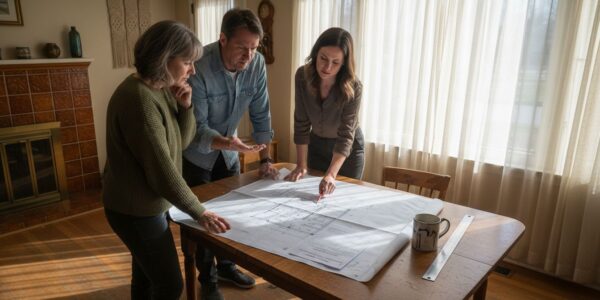
Why Plan for Home Additions Matters in Ontario
Home additions are on the rise, with Canadian homeowners investing billions each year to expand and improve their spaces. Making the right plan before starting a project can make the difference between a seamless upgrade and a series of costly setbacks. Understanding the essential steps in Canadian home addition planning helps you avoid common pitfalls, meet local requirements, and create living spaces that enhance both comfort and property value.
Key Takeaways
| Point | Details |
|---|---|
| Importance of Planning | Careful planning is crucial for successful home additions, addressing regulatory, structural, and budgetary considerations. |
| Types of Additions | Homeowners should evaluate options like second-storey additions, ground-level extensions, and bump-outs to meet their specific needs. |
| Navigating Permits | Proper documentation is essential to navigate municipal permits and zoning regulations effectively, ensuring compliance and preventing delays. |
| Financial Planning | Understanding the costs involved and potential ROI is vital for making informed decisions about home additions. |
Understanding Why Plan Matters
Home additions are complex undertakings that require meticulous planning and strategic thinking. Far more than a simple construction project, they represent significant investments in your property’s functionality, value, and aesthetic appeal. Careful planning ensures homeowners can transform their living spaces effectively.
The planning process involves several critical considerations that extend beyond basic design choices. Homeowners must navigate complex regulatory landscapes, including municipal zoning regulations, building codes, and potential neighbourhood design restrictions. Toronto’s urban planning guidelines emphasize maintaining architectural integrity and neighbourhood aesthetics when implementing home additions, making thorough preliminary research essential.
Key planning elements include:
- Assessing current home structure and load-bearing capacity
- Understanding local building permit requirements
- Evaluating budget constraints and potential financing options
- Determining precise spatial requirements and design goals
- Consulting professional architects or contractors for technical insights
Beyond technical considerations, effective planning allows homeowners to anticipate potential challenges, manage financial resources strategically, and create additions that seamlessly integrate with existing architectural styles. A well-conceived plan transforms what could be a stressful renovation into an exciting opportunity for enhancing living spaces and increasing property value.
Types Of Home Additions Explained
Home additions represent diverse strategies for expanding living spaces, each offering unique benefits and addressing specific homeowner needs. Vertical expansions and horizontal extensions are the primary categories of home additions, providing flexible solutions for growing families, improving functionality, or increasing property value. Homeowners can explore comprehensive renovation strategies that align with their specific architectural and lifestyle requirements.
Common types of home additions include:
- Second-Storey Additions
- Complete floor expansion above existing ground level
- Ideal for homes with limited ground-level property space
- Maintains existing property footprint
- Ground-Level Extensions
- Horizontal expansion alongside or behind existing structure
- Allows for larger, open-concept living areas
- Often used for kitchen, living room, or bedroom expansions
- Bump-Out Additions
- Small targeted extensions to existing rooms
- Cost-effective alternative to full-scale additions
- Perfect for creating additional space without major structural changes
Each addition type requires careful consideration of structural integrity, municipal building codes, and budget constraints. Homeowners must assess their specific needs, property limitations, and long-term objectives when selecting an appropriate addition strategy. Comprehensive planning through professional guidance ensures that home additions not only meet immediate requirements but also contribute to the property’s overall value and functionality.
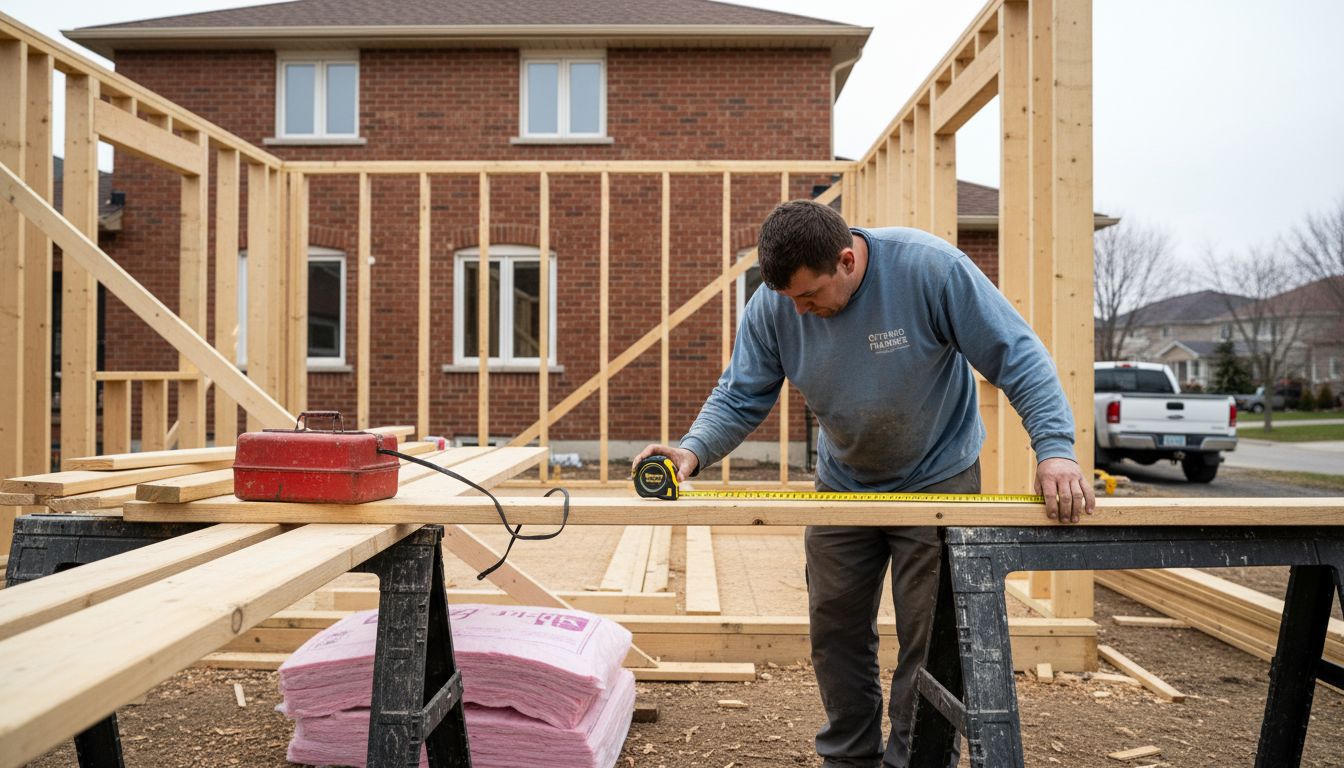
Navigating Permits And Zoning
Navigating the complex landscape of permits and zoning regulations is a critical step in any home addition project in Ontario. Municipal approvals represent more than bureaucratic formalities – they are essential safeguards ensuring structural integrity, safety, and community standards. Permit requirements can vary significantly depending on the specific conservation area and local regulations.
The permit application process involves several key components that homeowners must carefully address:
- Detailed site plans showing existing and proposed structures
- Architectural drawings demonstrating compliance with building codes
- Property line measurements and setback calculations
- Structural engineering assessments
- Environmental impact evaluations
- Proof of compliance with local zoning bylaws
Accurate permit drawings are crucial for successful municipal approval, as incomplete or imprecise documentation can result in significant project delays. Municipalities typically require multiple sets of professionally prepared drawings that demonstrate how the proposed addition meets all relevant building codes, zoning restrictions, and safety standards. This typically involves engaging professional architects or drafting services who understand local regulatory requirements and can translate design concepts into technically compliant documentation.
Homeowners should anticipate a multi-step review process that may include initial submissions, potential requests for additional information, and potential site inspections. The complexity of this process underscores the importance of thorough preparation and professional guidance to navigate municipal requirements effectively.
Budget Impacts And ROI
Home additions represent significant financial investments that require careful economic planning and strategic decision-making. Understanding the potential return on investment (ROI) is crucial for homeowners considering expanding their living spaces. Homeowners can explore detailed renovation cost strategies to make informed financial decisions.
Typical budget considerations for home additions include:
- Initial construction costs
- Architectural and design fees
- Permit and municipal approval expenses
- Materials and labour
- Potential structural modifications
- Finishing and interior design elements
The financial impact of home additions varies depending on several key factors:
- Type of Addition: Second-storey expansions typically cost more than ground-level extensions
- Materials Selected: High-end finishes dramatically increase overall project expenses
- Complexity of Design: Intricate architectural features require more skilled labour
- Local Market Conditions: Property values in different Ontario regions influence potential ROI
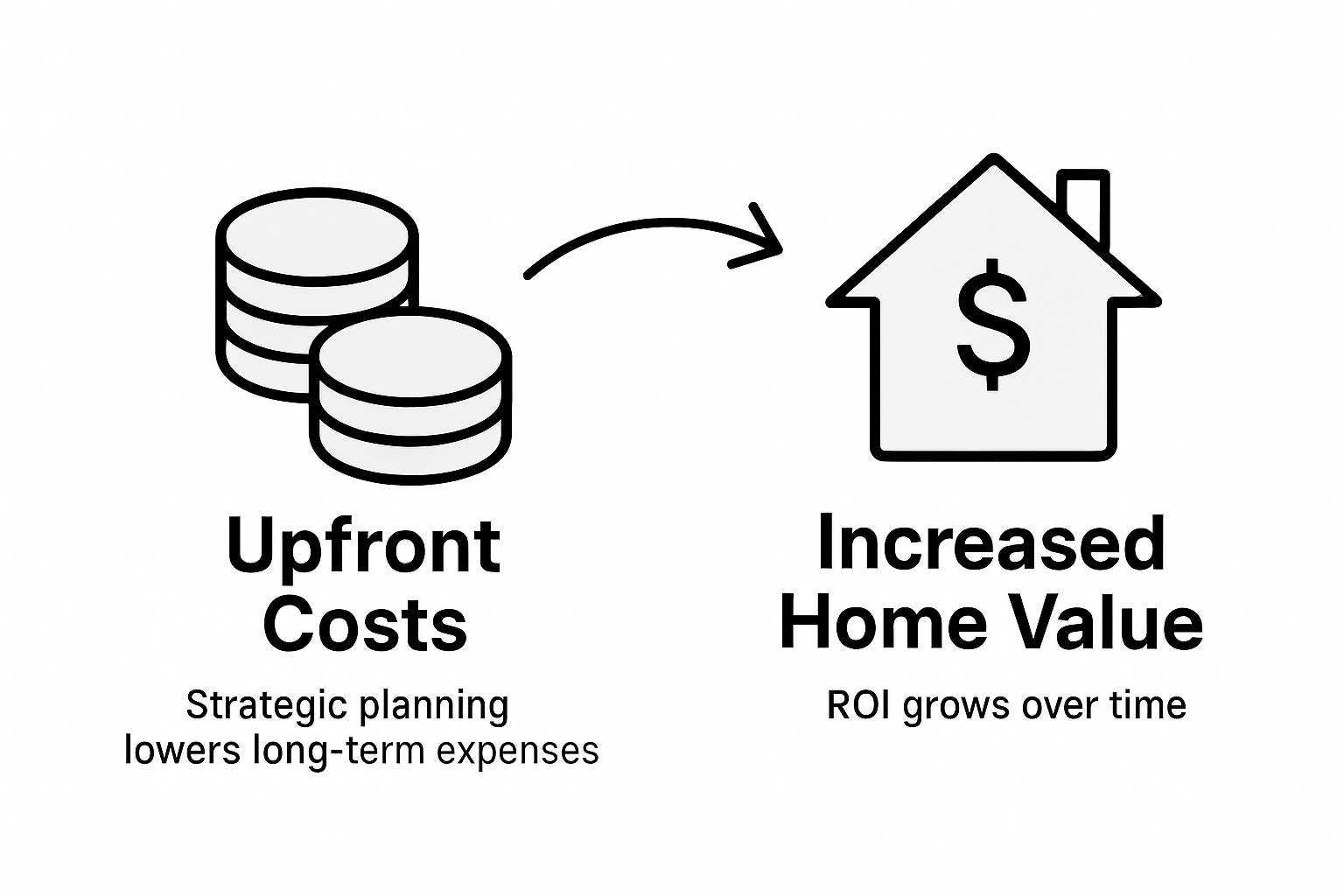
While home additions represent substantial upfront expenses, strategic planning can yield significant long-term benefits. Most well-executed additions can recoup 50-80% of their initial investment through increased property value, improved functionality, and enhanced living experience. Comprehensive planning through professional guidance ensures that homeowners make financially sound decisions that align with their lifestyle and investment goals.
Avoiding Common Planning Mistakes
Home addition projects require meticulous planning to prevent costly and time-consuming errors that can derail entire renovation efforts. Understanding common planning mistakes is crucial for homeowners seeking successful renovation outcomes, as preventative strategies can save significant time, money, and stress.
Critical mistakes homeowners frequently encounter include:
- Inadequate Budget Planning
- Failing to include contingency funds
- Underestimating hidden renovation costs
- Not accounting for potential structural modifications
- Regulatory Compliance Oversights
- Ignoring municipal zoning restrictions
- Skipping necessary permit applications
- Overlooking neighbourhood architectural guidelines
- Design and Functionality Errors
- Neglecting long-term living requirements
- Prioritizing aesthetics over practical functionality
- Insufficient consideration of future family needs
Exploring renovation mistake prevention strategies reveals that professional guidance can dramatically reduce potential planning pitfalls. Successful home additions demand comprehensive research, realistic expectations, and a willingness to collaborate with experienced professionals who understand local building regulations and design challenges. By anticipating potential obstacles and maintaining flexibility throughout the planning process, homeowners can transform complex renovation challenges into successful, value-adding home improvement projects.
Plan Your Home Addition with Confidence and Expert Support
Planning home additions in Ontario involves navigating complex zoning regulations, budgeting challenges, and design decisions that impact your living space and property value. If you want to avoid common planning mistakes and ensure your project flows smoothly, professional guidance is essential. At Henley Contracting, we understand the importance of comprehensive planning for additions and renovations that fit your lifestyle and comply with municipal requirements.
Ready to transform your home with a seamless addition that adds value and comfort? Discover how our experienced team can support you through every step of the renovation process by exploring our Renovations – Henley Contracting Ltd. services. With over 30 years of expertise serving Durham and surrounding Ontario communities, Henley Contracting is your trusted partner. Visit our main site at Henley Contracting to get started today and benefit from trusted craftsmanship and peace of mind.
If you want advice on making your home safer and more accessible as part of your addition, check out our Aging in Place – Henley Contracting Ltd. resources for smart design strategies tailored to your needs.
Frequently Asked Questions
What is the importance of planning for home additions?
Careful planning for home additions ensures effective transformation of living spaces, compliance with regulations, and the ability to anticipate potential challenges. It also helps manage financial resources strategically while enhancing property value and functionality.
What are the types of home additions available?
Home additions generally fall into three main categories: second-storey additions, ground-level extensions, and bump-out additions. Each type addresses different homeowner needs, whether for expanding living space or improving functionality.
Why is navigating permits and zoning important for home additions?
Navigating permits and zoning is crucial because municipal approvals ensure structural integrity, safety, and community standards are met. Failure to comply with these regulations can lead to significant delays and additional costs in the home addition process.
What budget considerations should homeowners keep in mind for home additions?
Homeowners should account for initial construction costs, design fees, permit expenses, materials, labor, and any potential structural modifications. Understanding these factors is essential to make informed financial decisions and achieve a favorable return on investment.