Residential Construction in Ontario – What Homeowners Need to Know
Residential construction in the Canadian market is shaped by strict regulations and evolving homeowner demands. More than 80 percent of Canadian homeowners remodel their living spaces to increase property value or solve space challenges. If you own a home in Durham Region, understanding the rules and options for custom renovations is crucial. This guide reveals how professional contractors and provincial building standards can help you transform your property safely and efficiently.
Key Takeaways
| Point | Details |
|---|---|
| Importance of Understanding Regulations | Familiarise yourself with the National Building Code of Canada and local regulations to ensure compliance throughout your construction project. |
| Diversity of Residential Types | Recognise the various categories of residential buildings, as each has specific design and regulatory requirements that affect planning and execution. |
| Critical Stages of Construction | Pay close attention to each stage of home construction, as municipal inspections are vital to maintaining compliance with safety and structural standards. |
| Financial and Risk Management | Carefully estimate costs and establish contingency budgets to mitigate financial uncertainties while ensuring effective risk management practices are in place. |
Defining Residential Construction in Canada
Residential construction in Canada represents a complex and structured process of creating living spaces that meet rigorous national standards. At its core, residential construction encompasses the design, planning, and physical development of homes ranging from single-family dwellings to multi-unit residential complexes. The National Building Code of Canada 2020 serves as the foundational regulatory framework that guides these construction practices, ensuring safety, structural integrity, and quality across Canadian residential buildings.
Canadian residential structures are categorized into distinct classifications that reflect their architectural design and configuration. Statistical data from Statistics Canada highlights these categories, which include single-detached houses, semi-detached houses, row houses, apartments, and movable dwellings. Each classification has unique characteristics related to structural attachment, spatial configuration, and occupancy requirements, providing a systematic approach to understanding residential building typologies.
The residential construction process in Ontario involves multiple stages of planning, design, permitting, and physical construction. Professional contractors must navigate complex regulatory environments, municipal bylaws, and provincial building codes to successfully complete residential projects. This requires deep understanding of local building standards, environmental considerations, energy efficiency requirements, and structural engineering principles specific to the Canadian climate and regional variations.
Pro tip: Before beginning any residential construction project, consult with local municipal authorities to understand specific zoning regulations and obtain necessary permits to ensure compliance and avoid potential legal complications.
Types of Residential Building Projects
Residential building projects in Ontario represent a diverse landscape of construction opportunities designed to meet the evolving housing needs of Canadian homeowners. The More Homes Built Faster Act, 2022 highlights the province’s commitment to supporting various residential construction types, ranging from single-family homes to complex multi-unit developments. These projects are carefully regulated to ensure they meet stringent safety and structural standards that protect homeowners and communities.
The primary categories of residential building projects include single-family homes, multi-unit dwellings, townhouses, semi-detached homes, and custom residential builds. The Ontario Building Code Compendium provides comprehensive technical requirements for each project type, ensuring that every residential structure meets precise architectural, safety, and structural specifications. These classifications help municipalities and contractors standardize construction practices and maintain high-quality residential development across the province.
Each residential building project requires careful planning, permits, and adherence to local and provincial regulations. Homeowners must consider factors such as zoning restrictions, land use bylaws, environmental assessments, and building code compliance when undertaking residential construction. The complexity of these requirements underscores the importance of working with experienced professionals who understand the nuanced landscape of residential construction in Ontario and can navigate the regulatory environment effectively.
Here is a summary of common residential building types in Ontario and their defining characteristics:
| Building Type | Structure Layout | Typical Occupants |
|---|---|---|
| Single-family home | Detached, private lot | One family |
| Townhouse | Attached units, shared walls | Multiple families |
| Semi-detached | Two attached homes | Two families |
| Apartment | Multi-level, shared entrance | Several households |
| Custom build | Tailored to owner needs | Varies, often one family |
Pro tip: Always consult with local municipal authorities and obtain comprehensive building permits before commencing any residential construction project to ensure full compliance with regional building standards and regulations.
Key Stages in Home Construction
Home construction is a complex, multi-stage process that requires careful planning and systematic execution. The Canadian Home Builders’ Association outlines a comprehensive construction process that breaks down residential building into critical sequential stages, each demanding precision and expertise. The journey from an empty lot to a fully functional home involves intricate steps that demand professional coordination and meticulous attention to detail.
The primary stages of home construction typically include pre-construction planning, foundation work, framing, mechanical systems installation, insulation, drywall, and finishing. Each stage represents a crucial phase where specific technical requirements must be met. Foundation work establishes the structural integrity of the home, while framing creates the skeletal structure that defines the building’s shape and supports all subsequent construction elements. Mechanical systems installation involves integrating electrical, plumbing, and heating infrastructure that will ultimately provide essential services to the home.
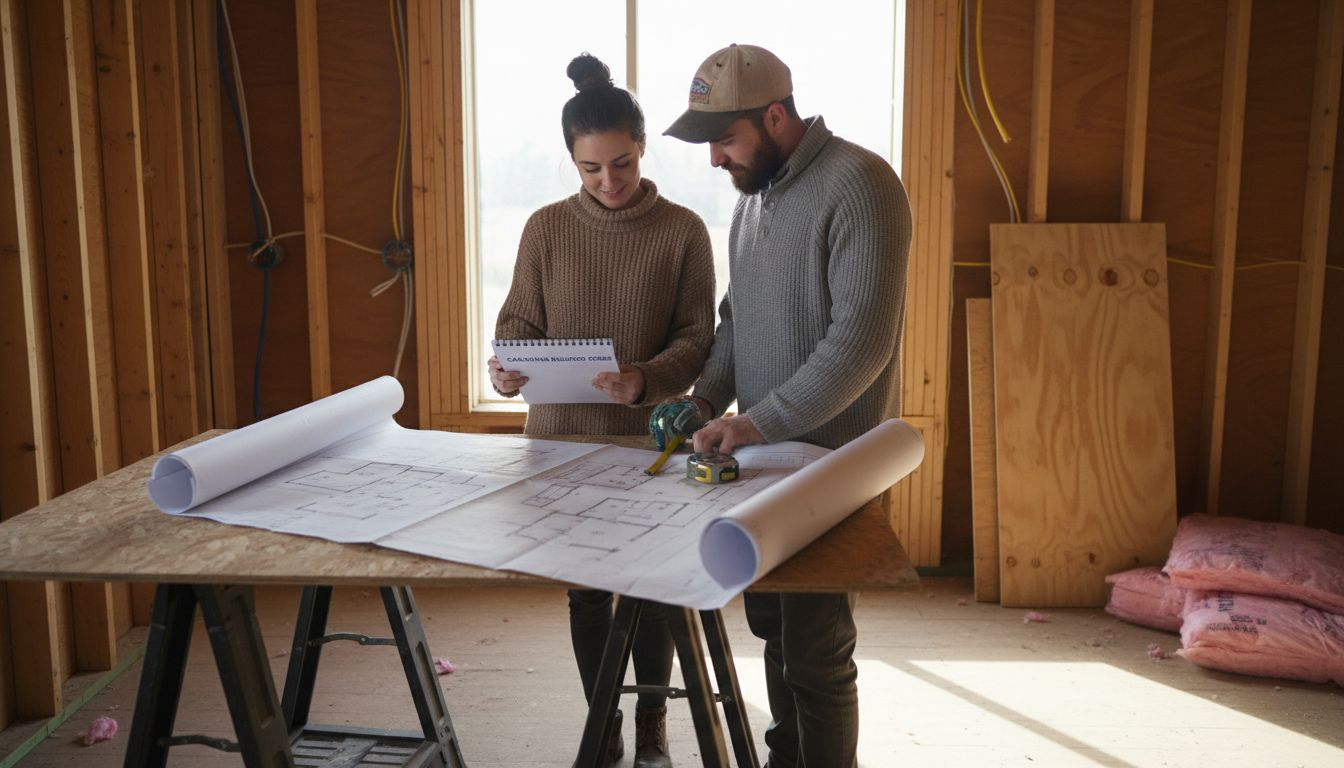
Municipal inspections play a critical role throughout these construction stages, ensuring that each phase meets provincial building codes and safety standards. Homeowners should anticipate multiple review points where municipal officials will assess the work’s compliance with regional regulations. These inspections help protect homeowners by verifying that construction meets technical requirements, uses appropriate materials, and adheres to established structural and safety guidelines. Understanding these stages helps homeowners maintain realistic expectations and actively participate in their home’s construction process.
Pro tip: Maintain open communication with your contractor and request detailed documentation of each construction stage to track progress and ensure quality standards are consistently met.
Ontario Building Codes and Permits
Ontario’s residential construction landscape is governed by a comprehensive regulatory framework designed to ensure safety, quality, and standardization across the province. Ontario’s Building Code sets fundamental regulations that provide critical guidelines for construction professionals and homeowners alike. This code represents a sophisticated system of technical requirements that protect public safety while facilitating efficient housing development across diverse residential projects.
The building permit process is a mandatory step for virtually all construction and renovation activities in Ontario. Municipalities play a crucial role in reviewing and approving building permits, ensuring that proposed projects comply with provincial building standards, zoning bylaws, and safety regulations. Homeowners must submit detailed plans and documentation that demonstrate how their proposed construction meets all required technical specifications, including structural integrity, energy efficiency, accessibility, and environmental considerations.
Qualification requirements for construction practitioners are stringent in Ontario, with professionals needing specific registrations and certifications to perform regulated work. The building code enforcement mechanism involves multiple layers of review, including initial permit applications, periodic municipal inspections during construction, and final compliance assessments. These multilayered checks help maintain high standards of construction quality, protect homeowners’ investments, and ensure that residential structures meet the province’s rigorous safety and performance benchmarks.
Pro tip: Always consult with a professional building inspector or licensed contractor before submitting permit applications to ensure your documentation meets all provincial regulatory requirements.
Estimating Costs and Managing Risks
Navigating the financial landscape of residential construction requires strategic planning and comprehensive risk management. Homeowners in Ontario are advised to carefully define project scopes and obtain multiple contractor estimates to mitigate potential financial uncertainties. Understanding the complex variables that influence construction costs is crucial for maintaining budget control and avoiding unexpected financial challenges throughout the building process.
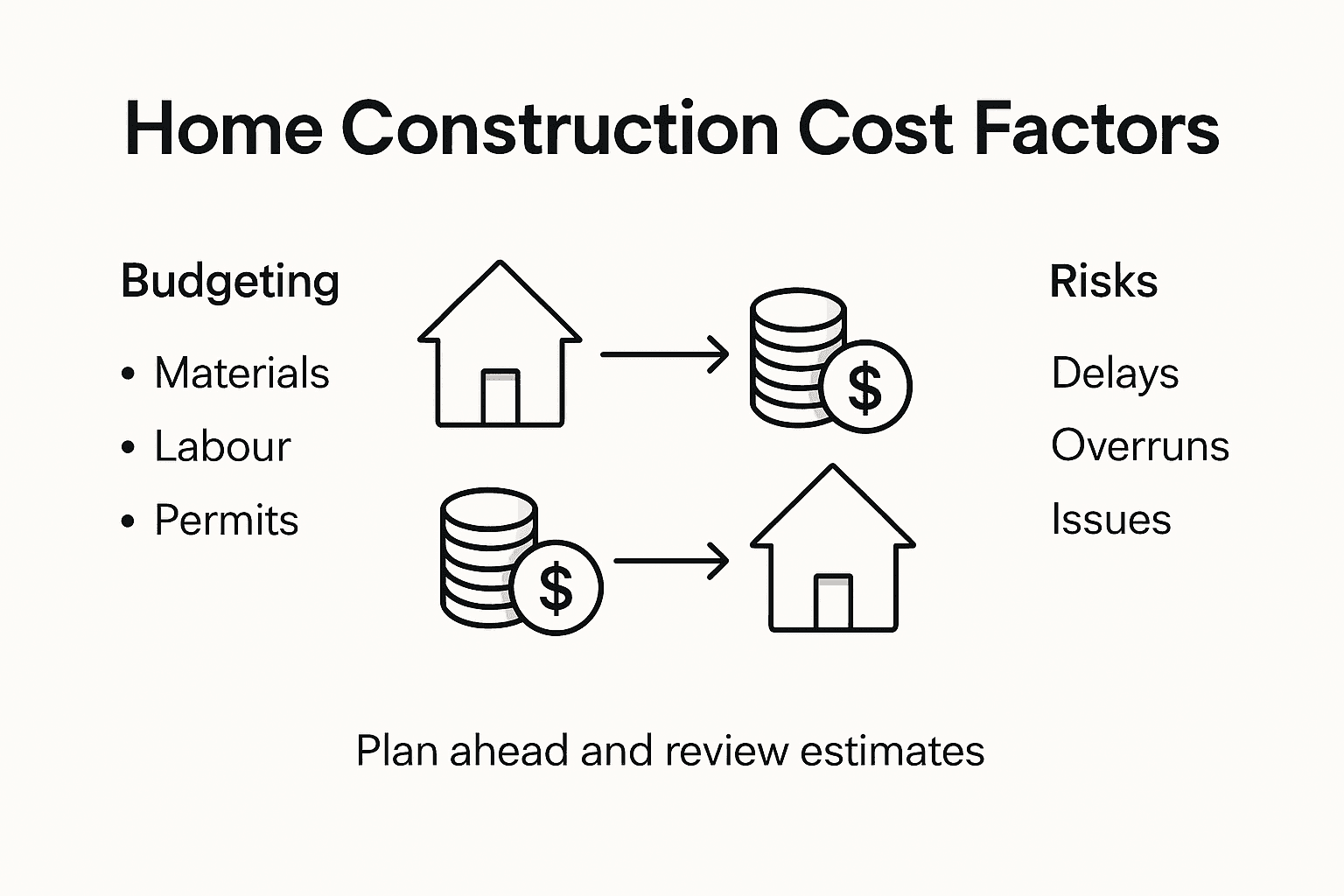
The cost estimation process involves multiple critical components, including materials, labour, permits, design complexity, and potential unforeseen structural requirements. Recent Ontario government reports highlight significant challenges in the construction sector, such as rising material costs and persistent labour shortages. Innovative approaches like offsite construction techniques are emerging as strategic solutions to manage project expenses and timelines, offering homeowners more predictable and potentially more efficient construction methods that can help control overall project expenditures.
Risk management in residential construction extends beyond financial considerations and encompasses comprehensive due diligence. Homeowners must thoroughly verify contractor credentials, confirm insurance coverage, maintain detailed written contracts, and establish clear communication protocols. Understanding potential risks such as schedule delays, material price fluctuations, and unexpected structural challenges allows for more robust project planning. Developing contingency budgets, maintaining flexible timelines, and working with experienced, reputable contractors can significantly reduce the potential for costly complications during the construction process.
For quick reference, here are essential risk management practices for residential construction projects:
| Practice | Purpose | Impact for Homeowners |
|---|---|---|
| Verify contractor credentials | Ensures qualified professionals | Reduces risk of poor workmanship |
| Confirm insurance coverage | Protects against liability | Shields from financial losses |
| Maintain detailed contracts | Defines scope and expectations | Minimizes disputes and confusion |
| Set contingency budget | Prepares for unexpected costs | Prevents budget overruns |
Pro tip: Allocate a contingency budget of 10-15% above your initial project estimate to provide financial cushioning for unexpected expenses and potential construction challenges.
Take Control of Your Residential Construction Journey with Trusted Expertise
Navigating Ontario’s complex residential construction landscape can feel overwhelming with all the zoning regulations, building permits, and strict municipal inspections described in this article. If you want to avoid costly delays and ensure your new home or renovation meets all provincial codes, partnering with experienced professionals is essential. Henley Contracting offers over 30 years of expertise in custom residential builds, renovations, and engineering solutions tailored to meet Ontario’s rigorous standards.
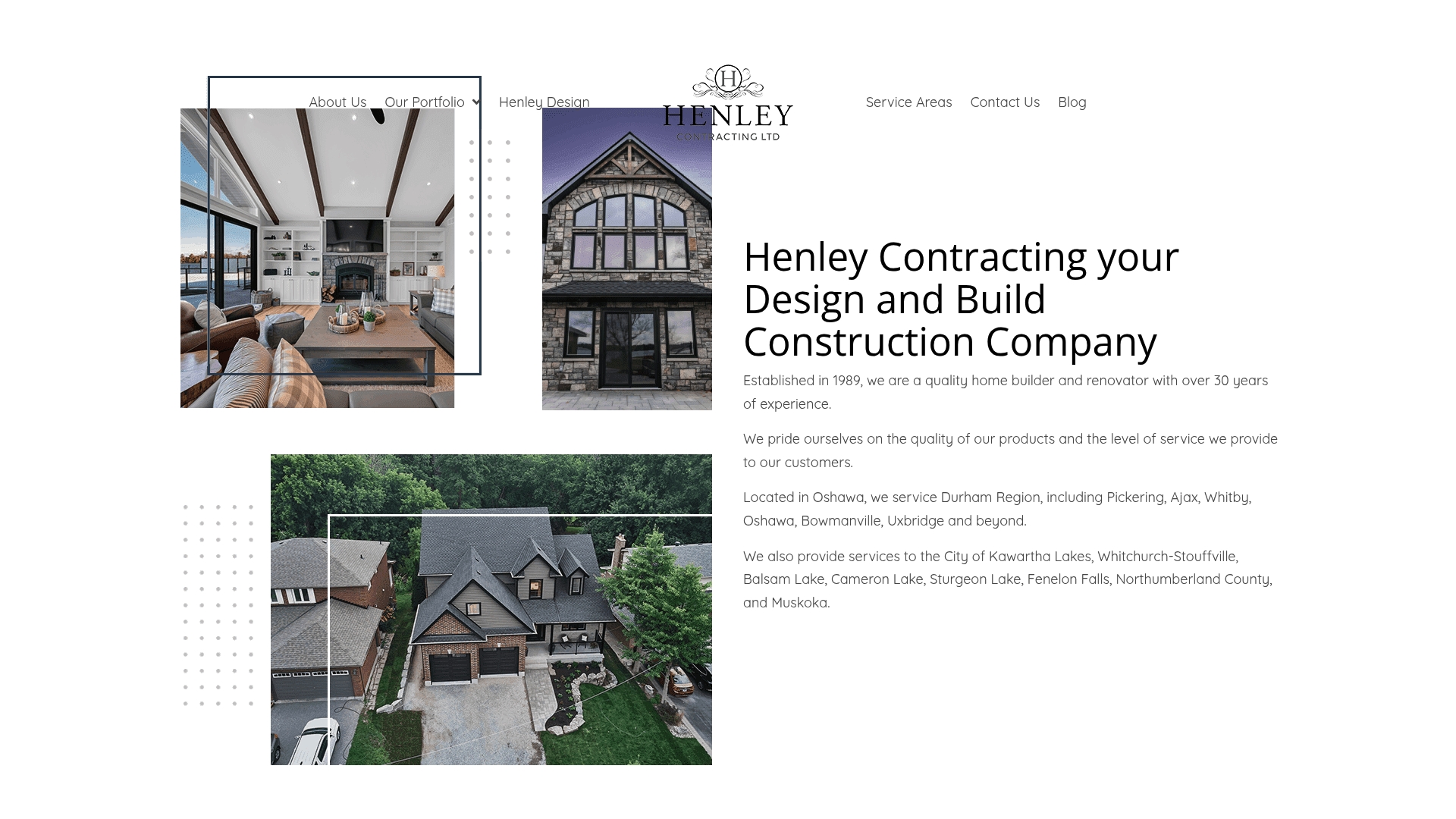
Start your project with confidence by exploring our dedicated Custom Build and Renovations services designed for homeowners who value quality and compliance. Don’t wait until permitting or inspection issues slow your dream home down. Visit Henley Contracting today to get a clear plan, reliable service, and peace of mind from concept to completion.
Frequently Asked Questions
What are the main types of residential building projects in Ontario?
The primary types of residential building projects in Ontario include single-family homes, multi-unit dwellings, townhouses, semi-detached homes, and custom residential builds.
What are the key stages involved in home construction?
Home construction involves several key stages: pre-construction planning, foundation work, framing, mechanical systems installation, insulation, drywall, and finishing, each requiring precise execution and adherence to building codes.
Why is obtaining a building permit important for construction projects?
Obtaining a building permit is essential as it ensures compliance with provincial building standards, safety regulations, and zoning bylaws, protecting homeowners and ensuring high-quality construction.
How can homeowners effectively manage costs and risks in residential construction?
Homeowners can manage costs by defining project scopes clearly, obtaining multiple contractor estimates, allocating a contingency budget for unforeseen expenses, and conducting thorough due diligence on contractors to mitigate risks.